
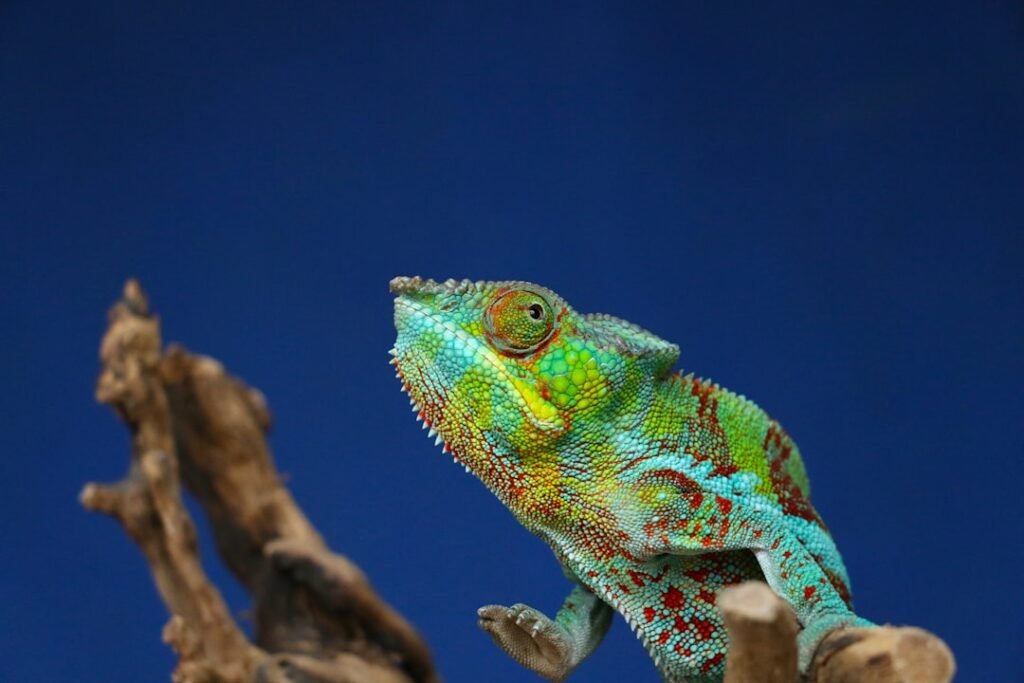
Keeping a chameleon healthy requires more than just providing the right enclosure and diet—it demands meticulous attention to detail and consistent monitoring. For beginners, establishing a comprehensive record-keeping system is one of the most valuable habits you can develop. Detailed records help you identify patterns, catch health issues early, and provide crucial information to your veterinarian when problems arise. Whether you’re caring for a veiled chameleon, panther chameleon, or Jackson’s chameleon, maintaining accurate logs transforms you from a casual keeper into a proactive caretaker who can anticipate and prevent problems before they become serious.
Why Record-Keeping Matters for Chameleon Health
Chameleons are masters at hiding illness, an evolutionary trait that protected them from predators in the wild. By the time visible symptoms appear, a health issue may have progressed significantly. This is where your records become invaluable. When you track weight, feeding, shedding cycles, and behavior consistently, you create a baseline of what’s normal for your individual chameleon. Any deviation from this baseline serves as an early warning system, allowing you to intervene quickly.
Veterinary visits also become more productive when you arrive with detailed records. Instead of relying on memory about when symptoms started or how much your chameleon has been eating, you can provide concrete data. This information helps exotic veterinarians make faster, more accurate diagnoses and develop more effective treatment plans. Additionally, if you ever need to have someone else care for your chameleon temporarily, comprehensive records ensure continuity of care.
Essential Daily Observations to Record
Your daily log should capture the immediate health indicators that can change from day to day. Start by recording feeding behavior every single day. Note what prey items you offered, how many were accepted, and how many were refused. For example: “Offered 8 medium crickets, ate 6. Offered 2 dubia roaches, ate both.” This level of detail helps you identify appetite changes immediately rather than weeks later when weight loss becomes visible.
Worried About Your Reptile's Health?
Upload a photo and get instant AI health analysis. Catch problems before they become expensive vet bills.
Get Free Health Check →Document your chameleon’s behavior and activity level using descriptive terms that you can compare over time. Note whether your chameleon was active, lethargic, basking normally, or displaying unusual behaviors. Record eye condition—are both eyes open and alert, or is one eye closed? Document color and any stress coloration. For female chameleons, watch for digging behavior or color changes that might indicate egg development, even if you don’t have a male present, as females can develop infertile eggs.
Hydration status deserves daily attention. Record whether you observed your chameleon drinking, the duration of misting sessions, and whether urates (the white portion of droppings) appeared white and well-formed or yellowish and dry. Dehydration develops quickly in chameleons, and daily monitoring helps you catch it early.
Weekly Weight Tracking and Growth Monitoring
Weighing your chameleon weekly provides objective data that feelings and visual assessments cannot match. Invest in a digital scale accurate to at least 0.1 grams for smaller species or juveniles. Always weigh at the same time of day, preferably in the morning before feeding, to maintain consistency. Record the exact weight in grams along with the date.
For juvenile chameleons, you should see steady growth. Create a simple growth chart where you can plot weight over time. A healthy juvenile veiled chameleon, for example, might gain 1-3 grams per week, while panther chameleons show similar patterns. If growth plateaus or weight decreases for two consecutive weeks, this signals a problem requiring investigation. Adult chameleons should maintain stable weight with minor fluctuations of 1-2 grams being normal.
Never Miss Early Warning Signs
AI photo analysis catches subtle health issues humans miss 80% of the time. Early detection = healthier reptile + lower vet bills.
Start Free Trial →Beyond raw numbers, note your chameleon’s body condition. Record whether the casque (head crest) appears full or sunken, whether you can see hip bones protruding, and whether the base of the tail appears robust or thin. These qualitative observations combined with quantitative weight data paint a complete picture of your chameleon’s nutritional status.
Feeding Schedules and Supplementation Logs
Create a detailed feeding schedule that tracks not just what your chameleon ate, but the complete supplementation protocol. Chameleons require specific supplementation to prevent metabolic bone disease and other nutritional deficiencies, and it’s remarkably easy to lose track of which supplements you’ve used on which days.
Design a feeding log with columns for date, prey type, quantity offered, quantity consumed, and supplements used. Your supplement rotation might look like this: plain calcium at most feedings, calcium with D3 twice monthly, and multivitamin twice monthly. Without written records, you might accidentally double up on D3 supplements or forget them entirely. Both scenarios can cause serious health problems.
Track the size and source of feeder insects as well. Note whether you’re offering small, medium, or large crickets, and record any changes in feeder suppliers. If your chameleon develops digestive issues or refuses food, these details help you identify whether new feeders from a different source might be the problem. Also document gut-loading protocols—what you fed your insects in the 24 hours before offering them to your chameleon affects the nutritional value your pet receives.
Join thousands of successful reptile owners
Try ReptileCoach Free →Environmental Parameters and Husbandry Records
Temperature and humidity fluctuations can stress chameleons and compromise their immune systems. Record environmental data at specific times each day. Measure and log basking spot temperature, ambient temperature in the middle of the enclosure, and nighttime temperature. Use a reliable digital thermometer with a probe, and take readings at the same times daily—for example, 9 AM, 2 PM, and 9 PM.
Humidity requires equally careful monitoring. Record humidity percentages at multiple times throughout the day, as chameleons need humidity to spike during misting sessions and drop between sessions to prevent respiratory infections. Note the duration and frequency of misting sessions. A typical schedule might be: “Misted 2 minutes at 7 AM, humidity rose to 80%, dropped to 50% by 10 AM. Misted 2 minutes at 7 PM, humidity rose to 75%.”
Document any changes to the enclosure setup, including new plants, repositioned branches, or equipment replacements. If behavioral changes occur, you can review whether they coincide with environmental modifications. Also record UVB bulb installation dates and create reminders to replace them every 6-12 months depending on manufacturer specifications, as UVB output degrades even when bulbs still produce visible light.
Shedding Cycles and Skin Health
Maintaining a shedding log helps you understand your individual chameleon’s patterns and identify potential problems. Record the date when you first notice shed beginning, typically appearing as a whitish or dull coloration. Note which body parts shed first and the date when shedding completes. A normal shed for most chameleons takes 24-48 hours from start to finish.
"This app saved my bearded dragon's life. The AI caught early MBD in photos I thought looked completely normal. Worth every penny!"
— Sarah K., ReptileCoach User
Get Your Free 7-Day Trial →Document any complications such as retained shed, particularly around the eyes, toes, or tail tip. Retained shed can constrict blood flow and cause serious problems. If you need to assist with shed removal through increased humidity or gentle soaking, record these interventions and their outcomes. Patterns of difficult sheds may indicate underlying husbandry issues like insufficient humidity or nutritional deficiencies.
Young chameleons shed frequently—sometimes every 3-4 weeks—while adults may shed every 4-8 weeks. By tracking these cycles, you’ll know when to expect the next shed and can ensure humidity levels are optimal during those periods. If shed frequency suddenly increases or decreases significantly from your chameleon’s established pattern, this warrants attention.
Health Issues, Symptoms, and Veterinary Visits
Create a dedicated health section in your records for documenting any abnormalities or concerns. When you notice something unusual, record the date, specific symptoms, and any potential triggers. For example: “March 15: Left eye remained closed for 2 hours in morning, opened by afternoon. No other symptoms observed. Humidity was lower than normal overnight (40% vs. usual 50-60%).”
This detailed symptom tracking proves invaluable for veterinary consultations. Exotic vets often ask questions like “When did this start?” and “Have you noticed any other changes?” Your records provide precise answers. Document all veterinary visits including the date, reason for visit, diagnosis, prescribed treatments, and follow-up instructions. Record medication administration times and dosages exactly as prescribed.
Worried About Your Reptile's Health?
Upload a photo and get instant AI health analysis. Catch problems before they become expensive vet bills.
Get Free Health Check →If your chameleon receives treatment, track response to medication. Note whether symptoms improve, worsen, or remain stable. Record any side effects or adverse reactions. This information helps your veterinarian adjust treatment protocols if necessary and provides a medical history for future reference.
Fecal Examinations and Parasite Monitoring
Establish a schedule for fecal examinations and record the results meticulously. Most chameleon keepers should have fecal samples analyzed by a veterinarian at least annually, or every 6 months for wild-caught specimens or chameleons showing any digestive symptoms. Record the date of sample collection, the date of analysis, and complete results including specific parasite species identified and their load levels.
Between veterinary fecal exams, monitor droppings daily. Record the appearance, consistency, color of both the fecal portion and urates, and frequency. Normal chameleon feces appear brown and well-formed with white or off-white urates. Document any abnormalities: runny consistency, unusual colors (green, yellow, black), blood, undigested insects, or yellow/orange urates indicating dehydration.
If your chameleon receives deworming medication, create a treatment log with start date, medication name, dosage, frequency, and duration. Schedule and record follow-up fecal examinations to confirm treatment effectiveness. Some parasites require multiple treatment rounds, and your records ensure you complete the full protocol.
Never Miss Early Warning Signs
AI photo analysis catches subtle health issues humans miss 80% of the time. Early detection = healthier reptile + lower vet bills.
Start Free Trial →Breeding Records for Future Planning
Even if you’re not currently planning to breed your chameleon, keeping breeding-related records proves useful. For female chameleons, track any signs of receptive coloration, digging behavior, or egg-laying. Females can develop eggs without mating, and knowing your female’s cycle helps you provide appropriate lay bins when needed.
Record any introductions between chameleons, even if accidental, noting dates and behaviors observed. Document gravid coloration changes in females and measure weight gain during egg development. If your female lays eggs, record the date, number of eggs, whether fertile or infertile, and your female’s condition afterward. Track how long it takes her to resume normal feeding and whether she requires additional supplementation during recovery.
For males, note any breeding behaviors, color displays, or aggression patterns. Understanding these cycles helps you manage your chameleon’s environment and stress levels appropriately.
Choosing Your Record-Keeping System
Select a record-keeping method that you’ll actually use consistently. Paper journals work well for some keepers—you can use a dedicated notebook with dated entries or create custom forms with spaces for each category of information. The advantage of paper records is immediate accessibility and no dependence on technology. However, they can be difficult to analyze for long-term trends.
Join thousands of successful reptile owners
Try ReptileCoach Free →Digital spreadsheets offer powerful organizational capabilities. Create separate tabs for daily observations, weekly weights, feeding schedules, environmental parameters, and health issues. Spreadsheet programs allow you to create graphs and charts that visualize trends over time, making it easy to spot gradual changes that might otherwise go unnoticed. Cloud-based spreadsheets provide backup protection and access from multiple devices.
Several reptile-specific apps exist for record-keeping, offering templates designed specifically for herpetoculture. These apps often include reminder functions for tasks like supplement rotation or bulb replacement. Some allow photo uploads, which can be valuable for documenting physical changes or health issues. Evaluate apps for ease of use, data export options, and whether they function offline.
Regardless of which system you choose, maintain consistency in your recording habits. Set specific times each day for recording observations—many keepers find that morning feeding time and evening misting sessions provide natural opportunities to update logs. Keep your recording tools easily accessible near your chameleon’s enclosure to reduce barriers to consistent use.
Analyzing Your Records for Better Care
Records only provide value when you review and analyze them regularly. Set aside time monthly to review your logs and look for patterns. Compare current weight to previous months. Calculate average food consumption and identify any declining trends. Review environmental data to ensure parameters remain consistently within appropriate ranges.
"This app saved my bearded dragon's life. The AI caught early MBD in photos I thought looked completely normal. Worth every penny!"
— Sarah K., ReptileCoach User
Get Your Free 7-Day Trial →Create summary reports quarterly that highlight key metrics: average weight, weight change percentage, number of sheds, any health issues encountered, and environmental stability. These summaries make it easy to see your chameleon’s overall trajectory and identify areas needing adjustment. If you maintain multiple chameleons, comparative analysis helps you ensure each individual receives appropriate care.
Use your records proactively to prevent problems. If you notice that your chameleon’s appetite decreases slightly every time you switch feeder suppliers, you can plan accordingly. If weight gain slows during certain months, you might increase feeding frequency preemptively. This shift from reactive to proactive care management represents the true power of comprehensive record-keeping.
Conclusion: Building Better Chameleon Care Through Documentation
Establishing thorough record-keeping practices transforms chameleon care from guesswork into informed decision-making. By consistently documenting daily observations, weekly weights, feeding schedules, environmental parameters, shedding cycles, and health issues, you create an invaluable resource that helps you understand your chameleon’s unique patterns and needs. These records enable early detection of health problems, facilitate more effective veterinary care, and help you continuously refine your husbandry practices. While maintaining detailed logs requires commitment and discipline, the investment pays dividends in your chameleon’s health and longevity. Start your record-keeping system today, even if you begin with just basic daily observations, and expand your tracking over time. Your future self—and your chameleon—will benefit from every entry you make in building a comprehensive picture of your pet’s health and wellbeing.
Ready to Give Your Reptile the Best Care?
Stop guessing and start knowing. Get personalized AI-powered care guidance, photo health analysis, and 24/7 expert advice for YOUR specific reptile.
Get Personalized Care Guidance
AI-powered photo analysis and daily care tracking for YOUR reptile
Try Free for 7 Days →