
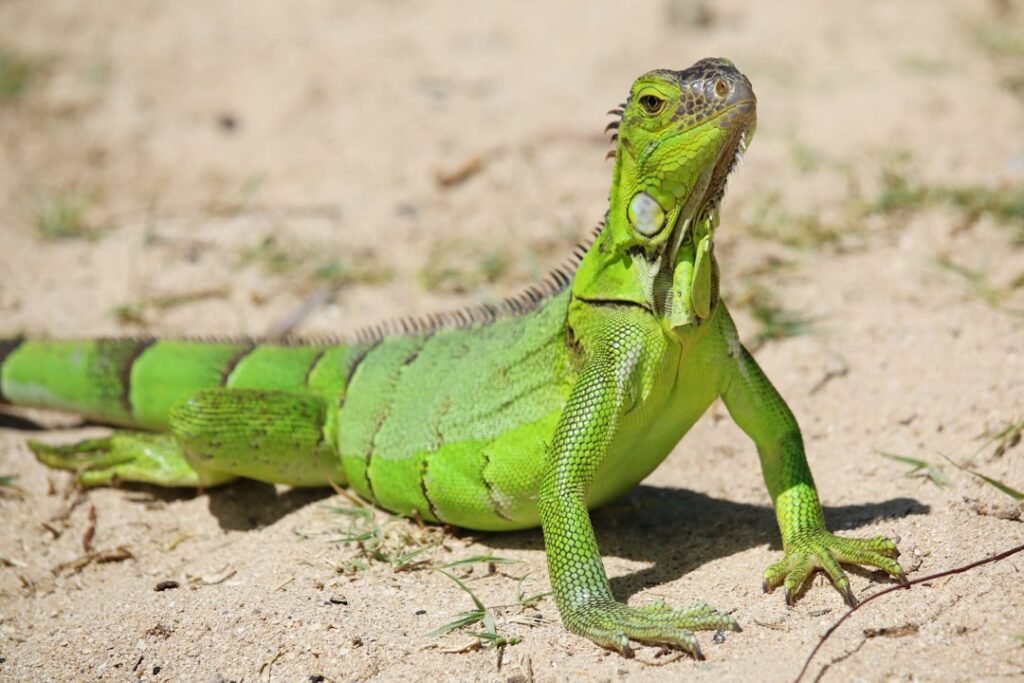
As a rhino iguana owner, you’ve probably discovered these fascinating reptiles come with very specific environmental needs. While many reptile keepers focus on temperature regulation, humidity control is equally crucial—especially for rhino iguanas who thrive in drier conditions than their green iguana cousins. Getting humidity levels right isn’t just about comfort; it’s a matter of preventing serious health issues like respiratory infections and difficult shedding. The challenge? Rhino iguanas need that perfect balance—too dry causes shedding problems, but too humid creates dangerous conditions. This guide cuts through the confusion with practical, actionable dehumidification techniques specifically designed for rhino iguanas, so you can create a healthy habitat that mimics their natural Caribbean island environment without the pitfalls of excessive moisture.
Understanding Rhino Iguana Humidity Requirements
Rhino iguanas originate from arid coastal regions of the Caribbean, particularly Hispaniola, where they’ve adapted to environments with moderate humidity despite their island habitat. Unlike green iguanas that require 60-80% humidity, rhino iguanas thrive in a more moderate 50-60% range. This distinction is critical—many new owners mistakenly treat all iguanas the same, leading to chronic health issues. Their natural habitat features rocky, dry terrain near the ocean, creating a unique microclimate that’s humid enough to prevent dehydration but dry enough to avoid fungal growth and respiratory problems. When humidity consistently exceeds 70%, you’re essentially placing your rhino iguana in an environment it hasn’t evolved to handle, which stresses their immune system and can lead to life-threatening conditions. The key is understanding that while some humidity is necessary (especially for proper shedding), rhino iguanas need significantly drier conditions than many other popular pet reptiles.
Signs Your Rhino Iguana’s Enclosure Is Too Humid
Recognizing excessive humidity before it causes health problems is essential for proactive care. The most obvious visual clue is persistent condensation on the enclosure walls—while some morning moisture is normal, constant droplets indicate humidity levels are too high. Your substrate may feel damp to the touch even hours after misting, or you might notice mold beginning to grow in corners or on decor items. More concerning are the physical signs on your iguana: bubbly discharge from the nose or mouth often indicates the early stages of a respiratory infection, while excessively wrinkled or retained shed skin suggests improper humidity levels. Behavioral changes like excessive basking (even when temperatures are appropriate) or reluctance to use certain areas of the enclosure can also signal discomfort from high moisture. If you notice your rhino iguana frequently opening its mouth while stationary (not just during normal thermoregulation), this could indicate respiratory distress from overly humid conditions. Regularly monitoring these signs helps you catch humidity issues before they escalate into serious health problems.
Essential Dehumidification Techniques for Rhino Iguana Owners
When humidity creeps above the ideal 50-60% range, these practical solutions will help you regain control without compromising your iguana’s health. First, optimize ventilation by installing additional mesh panels or vents—especially near the top of the enclosure where humid air accumulates. Cross-ventilation (airflow from one side to the other) works best, so consider placing an intake vent on one side and an exhaust fan on the opposite. For glass enclosures, replace solid glass panels with fine mesh where possible. Second, switch to moisture-wicking substrates like crushed coconut husk or reptile-safe clay rather than moisture-retaining options like soil or moss. These substrates absorb excess moisture while still allowing for natural digging behavior. Third, strategically position your heat sources—increasing basking spot temperature to 106°F (as recommended for rhino iguanas) creates natural convection that pulls moisture away from the enclosure floor. Avoid using humidifiers or automatic misters inside the main habitat; instead, create a separate humid hide box if your iguana needs occasional moisture for shedding. Finally, place a small, quiet fan outside the enclosure (not blowing directly on your iguana) to encourage air exchange—this simple solution dramatically reduces stagnant, humid air without creating uncomfortable drafts.
Worried About Your Reptile's Health?
Upload a photo and get instant AI health analysis. Catch problems before they become expensive vet bills.
Get Free Health Check →Creating the Perfect Humidity Gradient
Rhino iguanas naturally seek different humidity levels throughout the day, so your enclosure should offer this same flexibility. Start by establishing a pronounced temperature gradient with a basking zone at 106°F and a cool zone around 75°F—this naturally creates a humidity gradient as warmer air holds more moisture. Position your water dish at the cooler end of the enclosure rather than near heat sources, which prevents constant evaporation that raises overall humidity. Create a dedicated dry zone by placing absorbent materials like slate tiles or ceramic bricks in the warmest area—these surfaces draw moisture away from the air. For the humid side, provide a small, enclosed hide box lined with damp sphagnum moss that your iguana can enter only when needed for shedding. This compartmentalized approach gives your rhino iguana control over its microenvironment, mimicking natural behavior where they move between arid rocky areas and occasional moist microclimates. Remember to maintain this gradient consistently—fluctuations confuse your iguana’s natural instincts and can lead to stress-related health issues.
Ongoing Monitoring and Maintenance
Effective humidity control requires consistent monitoring and small, frequent adjustments rather than dramatic changes. Install at least two digital hygrometers—one near the basking area and another at the cool end—to track variations within the enclosure. Check these readings daily at the same time (morning is ideal) and record them in a log to identify patterns. Clean water bowls daily to prevent bacterial growth that contributes to humidity, and replace any damp substrate immediately. If you’re using a humid hide, refresh the moss only when necessary rather than on a fixed schedule. During seasonal changes, be particularly vigilant—summer months often require more aggressive dehumidification while winter may need less. When making adjustments, change only one variable at a time (e.g., increase ventilation slightly or adjust basking temperature by 2-3 degrees) and observe the effects over 24-48 hours before making further changes. This methodical approach prevents dangerous swings in conditions and helps you understand exactly which techniques work best for your specific setup. Remember that rhino iguanas are particularly sensitive to sudden environmental changes, so gradual adjustments protect their delicate respiratory systems while achieving your humidity goals.
Special Considerations for Different Housing Setups
Whether you’re using a glass terrarium, custom-built wooden enclosure, or outdoor habitat, dehumidification strategies must be tailored to your specific setup. Glass enclosures naturally trap moisture, so prioritize adding top ventilation and using powerful external fans to create airflow without disturbing your iguana. For wooden enclosures—which absorb moisture over time—ensure you’re using waterproof sealants on interior surfaces and replace any wood that shows signs of warping or mold. Outdoor habitats present unique challenges; during rainy seasons, install a sloped roof with adequate overhang and position the enclosure to take advantage of natural breezes while providing sheltered dry areas. If you’re using a bioactive setup, be extra vigilant with drainage layers and consider adding moisture-absorbing elements like activated charcoal beneath the substrate. For multi-iguanas habitats, remember that more animals generate more moisture through respiration and waste, so increase ventilation proportionally. Each housing type has its humidity challenges, but with these targeted approaches, you can maintain the ideal 50-60% range regardless of your enclosure style.
Conclusion: Balancing Humidity for Optimal Health
Mastering humidity control for your rhino iguana isn’t about achieving perfect numbers—it’s about creating a dynamic environment that allows your reptile to self-regulate within the ideal 50-60% range. By implementing strategic ventilation, choosing the right substrates, establishing clear humidity gradients, and maintaining diligent monitoring habits, you’ll provide the balanced conditions rhino iguanas need to thrive. Remember that these impressive reptiles evolved in specific Caribbean microclimates where dry rocky areas meet occasional coastal moisture—your goal is to replicate that natural variation, not a static humidity level. The techniques outlined here give you practical tools to prevent the respiratory issues and shedding complications that plague so many rhino iguanas in captivity. With consistent attention to humidity management alongside proper temperature gradients and UVB lighting, you’ll create a habitat that supports not just survival, but vibrant health and natural behaviors. Your dedication to getting these details right will pay off in a longer, healthier life for your magnificent rhino iguana companion.
Never Miss Early Warning Signs
AI photo analysis catches subtle health issues humans miss 80% of the time. Early detection = healthier reptile + lower vet bills.
Start Free Trial →Ready to Give Your Reptile the Best Care?
Stop guessing and start knowing. Get personalized AI-powered care guidance, photo health analysis, and 24/7 expert advice for YOUR specific reptile.
Get Personalized Care Guidance
AI-powered photo analysis and daily care tracking for YOUR reptile
Try Free for 7 Days →