Sand boas are among the most rewarding pet snakes for both beginners and experienced reptile keepers. These small, docile constrictors are known for their calm temperament, manageable size, and fascinating burrowing behavior. If you’re considering adding a sand boa to your collection or just brought one home, this comprehensive care guide will help you provide the best possible environment for your new companion.
What Makes Sand Boas Great Pet Snakes?
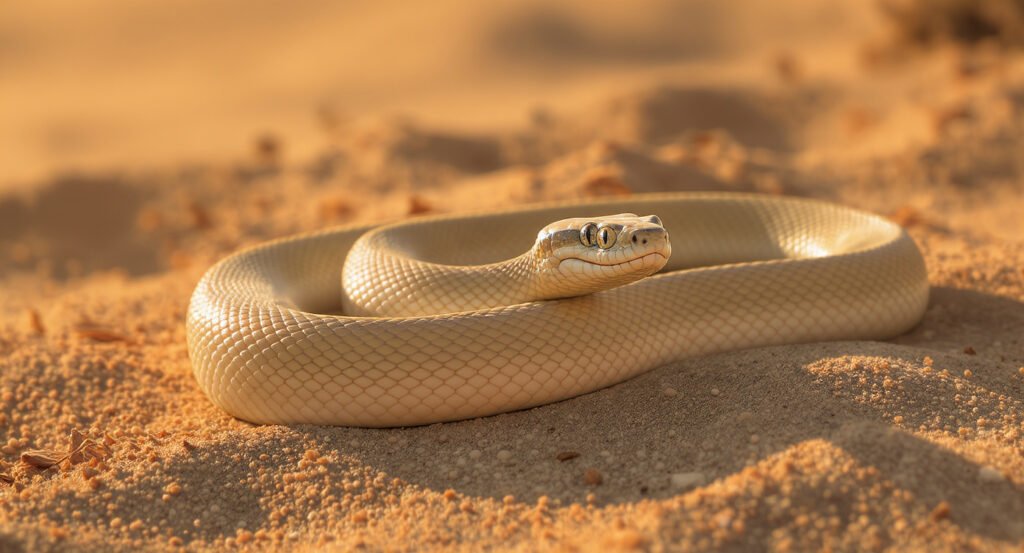
Kenyan sand boas (Eryx colubrinus) are native to East Africa and have become increasingly popular in the reptile hobby. Unlike larger constrictor species, sand boas typically reach only 15-30 inches in length, with females being significantly larger than males. Their chunky, cylindrical bodies and blunt tails make them perfectly adapted for their burrowing lifestyle.
These snakes are incredibly hardy and forgiving of minor husbandry mistakes, making them ideal for first-time snake owners. They rarely bite, handle well, and don’t require the extensive space that larger pythons or boas demand. Plus, their unique hunting behavior—striking upward from beneath the substrate—is endlessly entertaining to observe.
Setting Up the Perfect Sand Boa Enclosure
Enclosure Size and Type
For adult sand boas, a 20-gallon long terrarium provides ample space. Juveniles can start in smaller enclosures like 10-gallon tanks. Since sand boas are terrestrial and spend most of their time buried, floor space matters more than height. A glass aquarium with a secure screen lid works perfectly, though plastic tubs with proper ventilation are also excellent choices.
Worried About Your Reptile's Health?
Upload a photo and get instant AI health analysis. Catch problems before they become expensive vet bills.
Get Free Health Check →Substrate Selection
Substrate is crucial for sand boas since they’re natural burrowers. Aspen shavings are the gold standard—they’re affordable, hold burrows well, and are easy to spot-clean. Provide at least 3-4 inches of depth so your snake can fully burrow. Avoid sand despite the species name, as it can cause impaction if ingested during feeding. Coconut husk and cypress mulch are acceptable alternatives, though they retain more moisture than aspen.
Temperature and Heating
Sand boas require a thermal gradient with a warm side of 90-95°F and a cool side of 75-80°F. Use an under-tank heating pad or heat tape covering one-third of the enclosure bottom, controlled by a thermostat to prevent overheating. Since your snake will burrow, overhead heating alone won’t effectively warm them. Always use a digital thermometer with probes on both sides to monitor temperatures accurately.
Humidity Requirements
These desert-adapted snakes thrive in low humidity environments, typically 30-50%. Excessive humidity can lead to respiratory infections and scale rot. Provide a humid hide filled with damp sphagnum moss during shedding periods to help your snake shed cleanly, but remove it afterward to maintain proper ambient humidity levels.
Feeding Your Sand Boa
Sand boas are efficient eaters with modest appetites. Feed appropriately-sized frozen-thawed mice or rats—the prey item should be roughly the same width as the thickest part of your snake’s body. Hatchlings eat pinky mice every 5-7 days, while adults typically eat adult mice or small rats every 10-14 days.
Never Miss Early Warning Signs
AI photo analysis catches subtle health issues humans miss 80% of the time. Early detection = healthier reptile + lower vet bills.
Start Free Trial →Most sand boas are enthusiastic feeders and will strike from beneath the substrate. If your snake refuses food, check your temperatures first, as improper heating is the most common cause of feeding strikes. Never feed live prey, as it can injure your snake. Always feed in the enclosure rather than a separate container, as sand boas can regurgitate if handled too soon after eating.
Handling and Temperament
Sand boas are remarkably docile and rarely bite, even when startled. They may be slightly defensive as hatchlings but quickly calm down with regular, gentle handling. Handle your snake 2-3 times per week for 10-15 minutes once they’re established and feeding regularly. Always support their body fully and avoid handling for 48 hours after feeding.
These snakes move slowly and deliberately, making them perfect for nervous handlers. Their small size means even a defensive bite is minor and rarely breaks skin. If your sand boa balls up or hides its head, it’s feeling defensive—give it space and try again later.
Health and Common Issues
Shedding
Healthy sand boas shed in one complete piece every 4-8 weeks, depending on age and growth rate. Incomplete sheds often indicate humidity issues. Provide that humid hide during the blue phase (when eyes turn cloudy) and ensure your snake has rough surfaces like rocks or branches to help remove old skin.
Join thousands of successful reptile owners
Try ReptileCoach Free →Signs of Illness
Watch for these warning signs: labored breathing or wheezing (respiratory infection), retained eye caps, prolonged loss of appetite, lethargy, or unusual lumps. Mites appear as tiny black or red dots crawling on your snake or floating in water bowls. If you notice any concerning symptoms, consult a reptile veterinarian promptly.
Lifespan and Long-term Care
With proper care, sand boas regularly live 15-20 years in captivity, with some individuals reaching 25+ years. This long lifespan means you’re making a significant commitment. Ensure you’re prepared for decades of care before bringing one home.
Morphs and Color Variations
While wild-type Kenyan sand boas display beautiful orange and brown patterns, captive breeding has produced stunning morphs including albino, anerythristic, paradox, and splash patterns. These morphs don’t require different care but command higher prices. Choose based on your budget and aesthetic preferences—all sand boas make equally wonderful pets regardless of color.
Take Your Reptile Care to the Next Level
Sand boas are fantastic starter snakes that offer years of enjoyment with minimal maintenance. By providing proper temperatures, appropriate substrate for burrowing, and a consistent feeding schedule, you’ll have a thriving pet that’s a joy to observe and handle.
"This app saved my bearded dragon's life. The AI caught early MBD in photos I thought looked completely normal. Worth every penny!"
— Sarah K., ReptileCoach User
Get Your Free 7-Day Trial →Want to track your sand boa’s feeding schedule, growth, and health records all in one place? Try ReptileCoach’s free app to manage your entire reptile collection with ease. Set feeding reminders, log sheds, track weight gain, and access expert care guides whenever you need them. Join thousands of reptile keepers who trust ReptileCoach to help them provide the best possible care for their scaly friends.
Ready to Give Your Reptile the Best Care?
Stop guessing and start knowing. Get personalized AI-powered care guidance, photo health analysis, and 24/7 expert advice for YOUR specific reptile.
Get Personalized Care Guidance
AI-powered photo analysis and daily care tracking for YOUR reptile
Try Free for 7 Days →