Introduction to Sand Boa Care
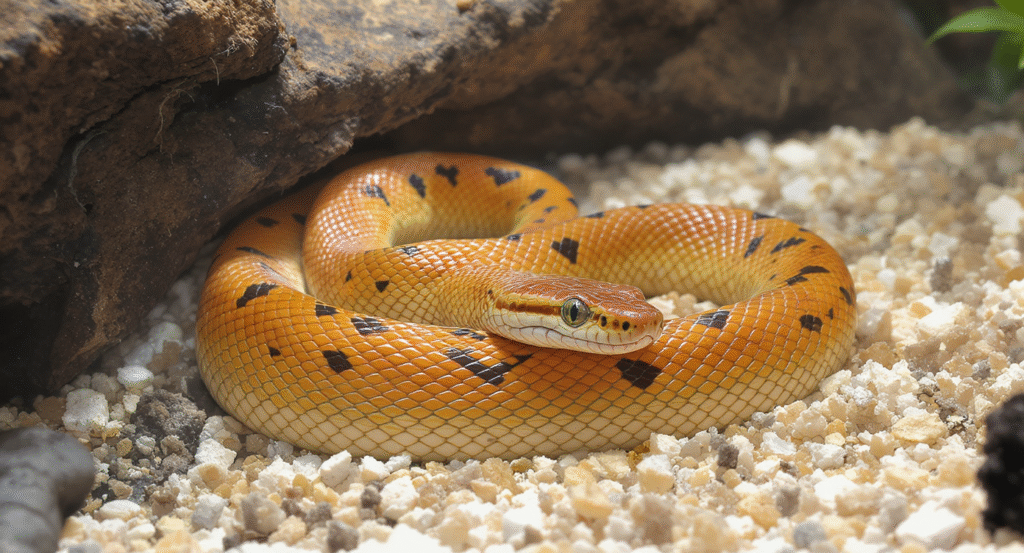
Sand boas are among the most rewarding pet snakes for beginners, offering a gentle temperament and manageable size that makes them ideal for first-time reptile keepers. These fascinating burrowing snakes, particularly the Kenyan sand boa, rarely exceed three feet in length and are known for their docile nature and low-maintenance care requirements. This comprehensive sand boa care guide will walk you through everything you need to know to provide your new pet with a healthy, thriving environment.
Native to arid regions of East Africa and parts of Asia, sand boas have adapted to life beneath the surface, spending most of their time burrowed in substrate. Their unique behaviors and hardy constitution make them excellent choices for those new to snake keeping, though proper care is essential for their long-term health. With the right setup and consistent care routine, your sand boa can live 15-20 years or more in captivity.
Diet and Feeding Requirements
Understanding proper nutrition is crucial for sand boa care. These carnivorous snakes are ambush predators that feed exclusively on appropriately sized prey items. In captivity, frozen-thawed rodents provide the safest and most convenient feeding option for your sand boa.
What to Feed Your Sand Boa
Juvenile sand boas should be fed pinky or fuzzy mice every 5-7 days, while adults thrive on adult mice or small rats every 10-14 days. The prey item should be no wider than the thickest part of your snake’s body to prevent regurgitation or digestive issues. Always offer pre-killed or frozen-thawed prey rather than live rodents, as live prey can injure your snake during feeding.
Worried About Your Reptile's Health?
Upload a photo and get instant AI health analysis. Catch problems before they become expensive vet bills.
Get Free Health Check →Feeding Best Practices
- Thaw frozen rodents completely in warm water before offering
- Feed in the evening when sand boas are most active
- Use feeding tongs to prevent accidental bites
- Remove uneaten prey after 30 minutes
- Wait 48 hours after feeding before handling
- Provide fresh water at all times in a shallow, sturdy dish
Sand boas have slower metabolisms than many other snake species, so avoid overfeeding. A slightly underweight snake is healthier than an obese one, and obesity can significantly shorten your pet’s lifespan.
Habitat Setup and Enclosure Requirements
Creating the proper habitat is fundamental to successful sand boa care. These burrowing snakes need an enclosure that accommodates their natural behaviors while maintaining appropriate environmental conditions.
Enclosure Size and Type
A 10-gallon terrarium works well for juvenile sand boas, but adults require at least a 20-gallon long enclosure. Glass terrariums with secure screen tops provide excellent visibility and proper ventilation. Ensure the lid locks securely, as snakes are escape artists. While sand boas don’t climb extensively, they can push against loose lids.
Substrate Selection
Substrate choice is critical for sand boa care since these snakes spend most of their time burrowed. Aspen shavings are the gold standard, providing excellent burrowing opportunities while being safe if accidentally ingested. Provide at least 3-4 inches of substrate depth to allow natural burrowing behavior. Avoid sand, despite the snake’s common name, as it can cause impaction if ingested. Other suitable options include coconut husk and cypress mulch.
Never Miss Early Warning Signs
AI photo analysis catches subtle health issues humans miss 80% of the time. Early detection = healthier reptile + lower vet bills.
Start Free Trial →Enclosure Furnishings
While sand boas are minimalists, they still need certain amenities. Include a shallow water dish large enough for soaking, positioned on the cool side of the enclosure. Add one or two hide boxes—one on the warm end and one on the cool end—though many sand boas prefer burrowing to using hides. A flat rock or piece of cork bark can provide additional security and assist with shedding.
Temperature and Lighting Needs
Proper temperature regulation is essential for digestion, immune function, and overall health in your sand boa care routine. These desert-adapted snakes require a thermal gradient that allows them to thermoregulate effectively.
Temperature Requirements
Create a temperature gradient with a warm side maintained at 88-92°F and a cool side at 75-80°F. This gradient allows your sand boa to move between areas to regulate its body temperature. Use an under-tank heating pad or heat tape covering one-third to one-half of the enclosure bottom to create the warm zone. Never use heat rocks, as they can cause severe burns.
Nighttime temperatures can drop to 70-75°F, mimicking natural desert conditions. Always monitor temperatures with reliable digital thermometers placed at both ends of the enclosure. Invest in a thermostat to prevent overheating, which can be fatal.
Join thousands of successful reptile owners
Try ReptileCoach Free →Lighting Considerations
Sand boas don’t require special UVB lighting since they’re primarily nocturnal and spend most time underground. A normal day-night cycle using ambient room lighting is sufficient. If your room lacks natural light, provide 10-12 hours of low-level lighting daily using a standard bulb. Avoid bright lights that may stress your snake.
Health and Common Issues
Maintaining your sand boa’s health requires regular observation and preventive care. While these snakes are generally hardy, several health issues can arise with improper care.
Signs of a Healthy Sand Boa
- Clear, bright eyes (except during shed cycle)
- Smooth, intact scales without lesions
- Regular feeding response
- Active burrowing behavior
- Firm, well-muscled body
- Regular bowel movements
Common Health Problems
Respiratory infections can develop if temperatures are too low or humidity is excessive. Symptoms include wheezing, mucus around the nostrils, and open-mouth breathing. Maintain proper temperatures and ensure adequate ventilation to prevent respiratory issues.
Scale rot occurs when substrate remains too damp, causing bacterial infections on the belly scales. Use appropriate substrate and spot-clean waste immediately to prevent this condition. Mites appear as tiny black or red dots moving on your snake’s scales and require immediate treatment with reptile-safe miticides.
"This app saved my bearded dragon's life. The AI caught early MBD in photos I thought looked completely normal. Worth every penny!"
— Sarah K., ReptileCoach User
Get Your Free 7-Day Trial →Incomplete sheds often result from low humidity or dehydration. While sand boas need relatively low humidity (30-40%), slightly increase moisture during shedding by misting one section of the enclosure or providing a humid hide box with damp sphagnum moss.
When to See a Veterinarian
Seek veterinary care if your sand boa refuses food for more than a month, shows signs of respiratory distress, has visible parasites, experiences repeated regurgitation, or displays unusual lethargy. Establish a relationship with a reptile-experienced veterinarian before emergencies arise.
Want to track your reptile’s diet and care schedule automatically? Try the ReptileCoach App free — the all-in-one reptile care tracker trusted by keepers worldwide.
Conclusion
Sand boa care for beginners doesn’t have to be overwhelming. These remarkable snakes offer an excellent introduction to reptile keeping with their manageable size, gentle disposition, and straightforward care requirements. By providing appropriate housing with adequate substrate for burrowing, maintaining proper temperature gradients, offering correctly sized prey items on a regular schedule, and monitoring for health issues, you’ll ensure your sand boa thrives for many years.
Worried About Your Reptile's Health?
Upload a photo and get instant AI health analysis. Catch problems before they become expensive vet bills.
Get Free Health Check →Remember that consistency is key in reptile care. Establish a routine for feeding, cleaning, and health checks, and your sand boa will reward you with fascinating behaviors and a long, healthy life. As you gain experience, you’ll develop an intuitive understanding of your individual snake’s preferences and needs. The time invested in learning proper sand boa care will create a rewarding relationship with one of nature’s most interesting serpents.
Ready to Give Your Reptile the Best Care?
Stop guessing and start knowing. Get personalized AI-powered care guidance, photo health analysis, and 24/7 expert advice for YOUR specific reptile.
Get Personalized Care Guidance
AI-powered photo analysis and daily care tracking for YOUR reptile
Try Free for 7 Days →