
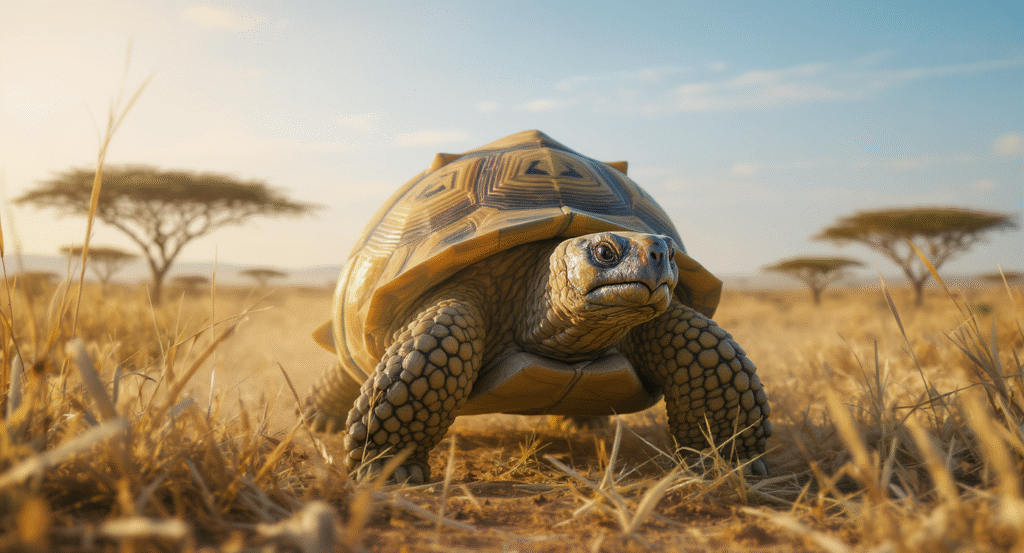
The African spurred tortoise, commonly known as the sulcata tortoise, is the third-largest tortoise species in the world and one of the most popular reptiles kept as pets. These remarkable creatures can live for over 70 years and grow to weigh more than 100 pounds, making proper care essential from day one. Whether you’re a first-time tortoise owner or looking to refine your husbandry practices, this comprehensive guide will help you provide the best possible care for your sulcata tortoise.
Understanding Your Sulcata Tortoise
Native to the arid regions of sub-Saharan Africa, sulcata tortoises have evolved to thrive in hot, dry climates with distinct wet and dry seasons. These gentle giants are known for their impressive size, distinctive spurred legs, and powerful digging abilities. Understanding their natural habitat is crucial to replicating appropriate conditions in captivity and ensuring your tortoise lives a long, healthy life.
Enclosure Requirements and Space Considerations
One of the most critical aspects of sulcata tortoise care is providing adequate space. These tortoises grow rapidly and require substantial room to roam, graze, and exercise.
Indoor Housing for Hatchlings and Juveniles
Young sulcata tortoises can be housed indoors in large enclosures, but this is only a temporary solution. A hatchling needs a minimum of 50 square feet of floor space, but larger is always better. As your tortoise grows, you’ll need to continuously upgrade their living space. Indoor enclosures should include proper UVB lighting, a basking area reaching 95-100°F, and a cooler zone around 75-80°F to allow for thermoregulation.
Worried About Your Reptile's Health?
Upload a photo and get instant AI health analysis. Catch problems before they become expensive vet bills.
Get Free Health Check →Outdoor Living: The Ideal Solution
Outdoor housing is the gold standard for sulcata tortoises, especially once they reach 12-18 months of age. An adult sulcata requires a minimum outdoor enclosure of 200-300 square feet, though 500+ square feet is preferable. Your outdoor habitat should include secure fencing buried at least 12-24 inches deep to prevent escape through digging, which sulcatas are notorious for. The enclosure should provide access to both sunny and shaded areas, allowing your tortoise to regulate its body temperature naturally.
In regions with cold winters, you’ll need a heated shelter or dog house equipped with a ceramic heat emitter or radiant heat panel to maintain temperatures above 55°F during cooler months. Many experienced keepers construct custom heated tortoise houses with insulation to keep their sulcatas comfortable year-round.
Diet and Nutrition: The Foundation of Health
Proper nutrition is absolutely essential for sulcata tortoises, and many health problems stem from inappropriate diets.
Grasses and Hay: The Staple Foods
In the wild, sulcata tortoises spend their days grazing on various grasses and dried vegetation. Your captive sulcata’s diet should closely mirror this natural feeding pattern. The ideal diet consists of 75-90% grasses and grass hay, including Bermuda grass, orchard grass, timothy hay, and alfalfa hay (in moderation due to higher protein content). Allow your tortoise to graze on pesticide-free lawn grasses whenever possible, as this provides both nutrition and natural enrichment.
Never Miss Early Warning Signs
AI photo analysis catches subtle health issues humans miss 80% of the time. Early detection = healthier reptile + lower vet bills.
Start Free Trial →Supplementary Vegetables and Foods to Avoid
While grasses should form the bulk of the diet, you can supplement with safe leafy greens like spring mix, dandelion greens, and hibiscus leaves. Offer these 2-3 times per week as variety. Crucially, avoid high-protein foods, fruits, and vegetables high in oxalates or phosphorus. Never feed your sulcata tortoise dog food, cat food, or processed human foods, as these can cause pyramiding and serious health issues.
Hydration and Water Needs
Despite originating from arid environments, sulcata tortoises need regular access to clean water. Provide a shallow water dish large enough for your tortoise to soak in, but shallow enough to prevent drowning (water should not exceed the depth of the tortoise’s lower shell). Change the water daily, as sulcatas often defecate while soaking.
Many keepers soak their tortoises 2-3 times per week for 15-20 minutes in lukewarm water, especially for hatchlings and juveniles. This practice helps maintain proper hydration and encourages regular bowel movements. Outdoor adult sulcatas with constant water access may not require additional soaking unless they appear dehydrated or haven’t defecated recently.
Hibernation and Brumation Considerations
Unlike some tortoise species, sulcata tortoises do not hibernate or brumate in the traditional sense. They are tropical animals that remain active year-round in their native habitat. However, sulcatas may become less active during cooler weather and may reduce their food intake slightly.
Join thousands of successful reptile owners
Try ReptileCoach Free →Never allow your sulcata tortoise to experience temperatures below 50°F for extended periods, as this can lead to respiratory infections and other serious health problems. If you live in an area with cold winters, ensure your outdoor enclosure has a properly heated shelter that maintains temperatures between 70-80°F, allowing your tortoise to remain comfortably active throughout the year.
Shell Health and Pyramiding Prevention
Shell health is a visible indicator of overall tortoise wellness. Pyramiding, where the scutes grow in raised, pyramid-like formations rather than smooth and flat, is common in captive sulcatas but is generally considered a sign of suboptimal husbandry.
To prevent pyramiding and maintain shell health, focus on proper diet (high fiber, low protein), appropriate humidity levels (40-60% for most of the enclosure with a humid hide available), adequate space for exercise, and proper UVB exposure. While some pyramiding may be cosmetic, severe cases can indicate metabolic bone disease or other serious conditions. Regular veterinary checkups with a reptile specialist are essential for monitoring shell development and overall health.
Lifespan and Long-Term Commitment
Sulcata tortoises are incredibly long-lived animals, with many individuals living 70-100 years or more in captivity. This extraordinary lifespan means adopting a sulcata tortoise is often a multi-generational commitment. Before bringing one home, consider who will care for your tortoise as you age, and make provisions in your estate planning for their continued care.
"This app saved my bearded dragon's life. The AI caught early MBD in photos I thought looked completely normal. Worth every penny!"
— Sarah K., ReptileCoach User
Get Your Free 7-Day Trial →Their size, longevity, and specialized care requirements make sulcatas rewarding but challenging pets. They require significant financial investment in proper housing, veterinary care, and daily maintenance. However, for dedicated keepers willing to provide appropriate care, these magnificent tortoises can become beloved family members for decades.
Track Your Sulcata’s Care with Technology
Maintaining consistent care routines is essential for your sulcata tortoise’s health and wellbeing. From feeding schedules to soaking sessions and weight tracking, there’s a lot to remember. That’s where modern reptile care apps can make a significant difference. Try ReptileCoach App to easily log feedings, track growth patterns, set care reminders, and monitor your tortoise’s health over time. With features designed specifically for reptile keepers, you’ll have all your tortoise’s care information at your fingertips, helping you provide the best possible husbandry for your shelled companion.
Final Thoughts
Caring for a sulcata tortoise is a rewarding journey that requires dedication, space, and proper knowledge. By providing appropriate housing, a grass-based diet, adequate hydration, and consistent monitoring of health and growth, you’ll set your tortoise up for a long, healthy life. Remember that these animals grow large and live for many decades, so ensure you’re prepared for this long-term commitment before bringing one home. With proper care and attention, your sulcata tortoise can thrive and become a cherished member of your family for generations to come.
Ready to Give Your Reptile the Best Care?
Stop guessing and start knowing. Get personalized AI-powered care guidance, photo health analysis, and 24/7 expert advice for YOUR specific reptile.
Get Personalized Care Guidance
AI-powered photo analysis and daily care tracking for YOUR reptile
Try Free for 7 Days →