
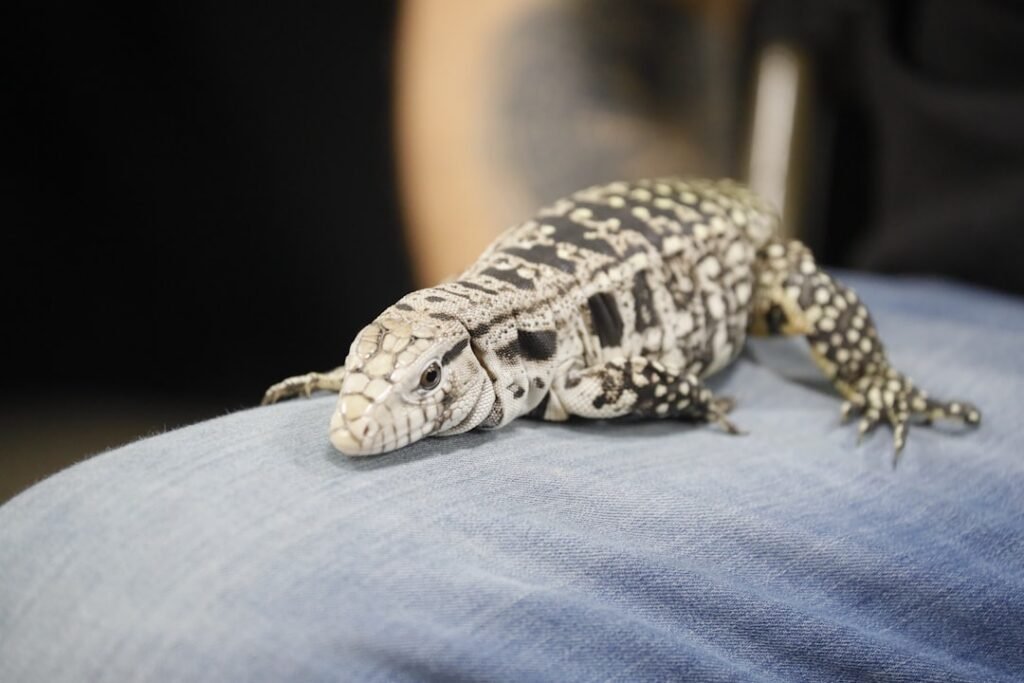
Understanding Tegu Brumation: Nature’s Winter Reset
Hey reptile friends! If you’re a tegu owner, you’ve probably heard the term “brumation” floating around in care forums and breeder circles. But what exactly is it, and why should you care? Brumation is often called “reptile hibernation,” but that’s an oversimplification. Unlike true hibernation in mammals, brumation is a natural physiological slowdown that helps tegus conserve energy during colder months. Think of it as nature’s energy-saving mode for your scaly companion.
As passionate tegu caretakers, we know how confusing brumation advice can be online. One breeder insists it’s mandatory, while another says skip it entirely. After reviewing veterinary studies and breeder experiences, we’re cutting through the noise with science-backed, practical guidance. Whether you’re caring for a black and white tegu, red tegu, or golden tegu, this guide covers everything you need to know to navigate brumation safely.
Brumation vs. Hibernation: Key Differences
Before diving into tegu-specific care, let’s clarify the confusion between brumation and hibernation. While both involve reduced activity, they’re fundamentally different processes:
- Metabolism: During brumation, a tegu’s metabolism slows but doesn’t drop as dramatically as in hibernating mammals. Their heart rate decreases, but they may still wake occasionally to drink water.
- Temperature Control: Tegus are ectothermic (cold-blooded), so their body temperature mirrors their environment. Mammals in hibernation are endothermic and can regulate internal temperature even when dormant.
- Food Processing: Tegus must completely empty their digestive tract before brumation. Food left in their stomach can rot at low temperatures, causing fatal infections.
- Duration: Tegu brumation typically lasts 2-8 months depending on species, whereas mammal hibernation periods are more rigidly defined by biology.
Understanding these differences is crucial—you can’t treat your tegu like a hibernating bear! Their physiological needs during dormancy are unique to reptiles.
Worried About Your Reptile's Health?
Upload a photo and get instant AI health analysis. Catch problems before they become expensive vet bills.
Get Free Health Check →Do Tegus Actually Need to Brumate?
This is the million-dollar question in tegu care circles. The short answer? It’s complicated. Research shows tegus are facultative brumators, meaning their dormancy is influenced by environmental cues rather than being biologically mandatory like obligate brumators.
Here’s what the science tells us:
- Tegus transplanted from the Southern to Northern Hemisphere adjust their brumation cycle to match local seasons—they don’t keep brumating during May-August as they would in their native habitat.
- When kept in stable, warm environments with consistent light cycles, many tegus won’t brumate at all.
- However, skipping brumation entirely may have long-term consequences. Quality Reptiles’ decade-long observations note tegus that never brumate often develop obesity, joint issues, and shorter lifespans.
Our recommendation? For healthy adult tegus (12+ months), natural brumation is generally beneficial. But never force a sick or underweight tegu into dormancy. If your tegu shows health issues, consult a reptile vet and prioritize healing over brumation.
Species-Specific Brumation Needs
Not all tegus brumate alike! South America’s diverse ecosystems have created distinct brumation patterns:
Never Miss Early Warning Signs
AI photo analysis catches subtle health issues humans miss 80% of the time. Early detection = healthier reptile + lower vet bills.
Start Free Trial →- Black & White Tegus (Salvator merianae): Most common in captivity. Typically brumate 3-5 months. Start cooling in October, end in February/March.
- Red Tegus (Salvator rufescens): Shorter brumation period—usually 2-3 months. More sensitive to cold; keep minimum temps slightly higher.
- Golden/Columbian Tegus (Tupinambis spp.): May not require full brumation. Often experience milder dormancy periods of 4-8 weeks.
- Chacoan Tegus: Similar to black and whites but require drier conditions during brumation.
Always research your specific tegu’s native habitat! A red tegu from Argentina’s warmer regions needs different care than a black and white from cooler southern zones.
Preparing Your Tegu for Brumation: A 4-Week Countdown
Rushing brumation preparation is the #1 cause of problems. Start this process 4 weeks before planned cooling:
Week 4: Digestive System Clearance
Stop feeding your tegu completely 2-3 weeks before cooling begins. This critical step ensures their digestive tract is empty. Why? At low temperatures, their metabolism can’t process food, leading to fatal bacterial growth. Signs your tegu is ready:
- No feces for 10-14 days
- Visible weight loss along spine (not ribs showing)
- Reduced interest in food during preparation phase
During this period, provide shallow warm baths daily to encourage elimination and hydration.
Join thousands of successful reptile owners
Try ReptileCoach Free →Week 3: Gradual Temperature Reduction
Slowly lower your enclosure’s temperatures:
- Reduce basking spot from 100-110°F to 85-90°F
- Drop ambient temps from 80-85°F to 70-75°F
- Shorten daylight hours from 12-14 hours to 8-10 hours
Monitor your tegu’s behavior closely. If they stop eating naturally before week 3, that’s a good sign they’re ready. Never force food during this phase!
Week 2: Final Cooling Phase
Further reduce conditions to mimic approaching winter:
- Basking spot: 75-80°F
- Ambient temps: 65-70°F
- Daylight: 6-8 hours
- Stop all supplemental heating at night
This is when most tegus naturally seek cooler hiding spots. Provide multiple hide options at different temperatures so they can self-regulate.
"This app saved my bearded dragon's life. The AI caught early MBD in photos I thought looked completely normal. Worth every penny!"
— Sarah K., ReptileCoach User
Get Your Free 7-Day Trial →Week 1: Transition to Brumation Conditions
Move your tegu to their brumation enclosure (more on this below) with:
- Constant temperature: 55-65°F for black/white tegus, 60-68°F for red tegus
- Humidity: 60-70% (use hygrometer to monitor)
- Minimal light: 4-6 hours of low-wattage lighting
- No basking spot
Ensure fresh water is always available—they’ll drink occasionally even while dormant.
Brumation Monitoring: What to Watch For
Just because your tegu is dormant doesn’t mean they’re maintenance-free. Check on them weekly with this monitoring checklist:
- Weight: Weigh monthly. Healthy weight loss should be 1-3% of body weight per month. More than 5% indicates problems.
- Hydration: Gently pinch skin on back legs. It should snap back immediately. Slow return means dehydration.
- Respiration: Watch for labored breathing or mucus around nostrils—signs of respiratory infection.
- Position: Normal brumation posture is coiled with head tucked. Extended limbs or open mouth warrant investigation.
Never wake a brumating tegu unnecessarily! If you must check them, do it during their natural active periods (usually midday). Keep handling to absolute minimum.
Worried About Your Reptile's Health?
Upload a photo and get instant AI health analysis. Catch problems before they become expensive vet bills.
Get Free Health Check →When to Interrupt Brumation
While rare, some situations require waking your tegu:
- Weight loss exceeding 8% of starting weight
- Visible signs of illness (mucus, labored breathing)
- Dehydration that doesn’t improve with shallow baths
- Parasite outbreaks
To safely wake a tegu:
- Gradually increase temperature over 3-5 days (add 5°F per day)
- Provide shallow warm baths daily
- Wait 7-10 days after full warmth returns before offering food
- Consult a reptile vet immediately for health issues
Waking Your Tegu: The Critical Re-Warming Phase
Many owners focus on brumation preparation but neglect the equally important waking process. Sudden temperature changes can cause fatal shock. Follow this 2-week protocol:
Week 1: Gradual Temperature Increase
Slowly raise temperatures in their brumation enclosure:
Never Miss Early Warning Signs
AI photo analysis catches subtle health issues humans miss 80% of the time. Early detection = healthier reptile + lower vet bills.
Start Free Trial →- Days 1-3: 65-70°F ambient, 75°F basking spot
- Days 4-7: 70-75°F ambient, 85°F basking spot
- Days 8-14: 75-80°F ambient, 95°F basking spot
Extend daylight hours by 30 minutes every 3 days until reaching 12 hours.
Week 2: Reintroduction to Normal Care
Even after full temperature restoration, their digestive system needs time to reboot:
- Days 1-7: No food—offer only water and shallow warm baths
- Days 8-10: First meal—small portion of easily digestible food (earthworms or pinky mice)
- Days 11-14: Gradually increase meal size and frequency
- Week 3+: Return to normal feeding schedule
Monitor feces closely during reintroduction. Undigested food indicates their system isn’t ready for regular meals.
Common Brumation Mistakes to Avoid
After reviewing hundreds of tegu owner experiences, these errors cause the most problems:
Join thousands of successful reptile owners
Try ReptileCoach Free →- Insufficient food clearance: Feeding too close to cooling causes fatal gut impaction
- Rushing temperature changes: More tegus die from sudden shifts than from brumation itself
- Ignoring humidity needs: Low humidity causes dehydration; high humidity promotes mold
- Waking tegus unnecessarily: Disturbing them stresses their system and burns energy reserves
- Skipping pre-brumation vet check: Undiagnosed issues become critical during dormancy
Pro tip: Take weekly photos of your tegu before brumation. Comparing them to post-brumation shots helps spot subtle health changes.
Brumation Alternatives for Non-Brumating Tegus
Some tegus simply won’t brumate—and that’s okay! If your tegu remains active through winter:
- Maintain regular temperatures but reduce daylight hours to 10-12 hours
- Offer slightly smaller meals (20% reduction)
- Provide cooler hiding spots so they can self-regulate
- Monitor weight closely to prevent obesity
Never force brumation through artificial cooling if your tegu resists. Their body knows best! Many breeders successfully maintain healthy tegus without brumation using this “semi-dormancy” approach.
Your Brumation Success Starts Today
Brumation isn’t something to fear—it’s a natural part of your tegu’s life cycle that, when managed properly, can contribute to their long-term health. Remember these key takeaways:
"This app saved my bearded dragon's life. The AI caught early MBD in photos I thought looked completely normal. Worth every penny!"
— Sarah K., ReptileCoach User
Get Your Free 7-Day Trial →- Start preparation 4 weeks in advance with digestive clearance
- Adjust temperatures and light gradually—never abruptly
- Monitor weight and hydration weekly during dormancy
- Take 2 full weeks to safely wake your tegu
- Always prioritize your tegu’s individual needs over rigid schedules
Every tegu is unique. Some black and whites brumate for 8 months while others take short 6-week naps. Your job is to observe and respond to your pet’s cues, not force them into someone else’s timeline.
For personalized brumation planning, check out ReptileCoach—the AI-powered reptile care app that creates custom brumation schedules based on your tegu’s species, age, and health status. Their vet-reviewed templates take the guesswork out of temperature adjustments and feeding schedules, so you can brumate with confidence. Download ReptileCoach today and give your tegu the perfect winter reset they deserve!
Got brumation questions we didn’t cover? Share your experiences in the comments below—we love hearing from our tegu community! And remember: when in doubt, consult a reptile-savvy veterinarian before making any major care changes. Your tegu’s health is worth the extra precaution.
Ready to Give Your Reptile the Best Care?
Stop guessing and start knowing. Get personalized AI-powered care guidance, photo health analysis, and 24/7 expert advice for YOUR specific reptile.
Get Personalized Care Guidance
AI-powered photo analysis and daily care tracking for YOUR reptile
Try Free for 7 Days →