
The Ultimate Tegu Care Guide for Beginners and Experienced Keepers
Tegus are one of the most intelligent and rewarding reptiles you can keep as a pet. These large lizards from South America have captured the hearts of reptile enthusiasts worldwide with their dog-like personalities, impressive size, and curious nature. Whether you are considering your first tegu or looking to improve your current setup, this comprehensive tegu care guide will walk you through everything you need to know.
Understanding Tegus: Species Overview
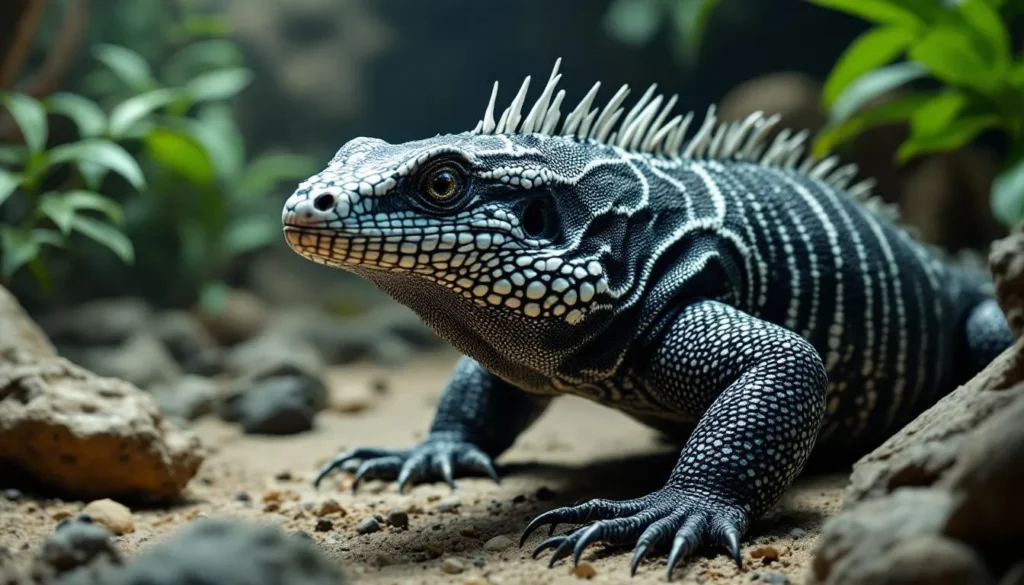
The most commonly kept tegu species include the Argentine Black and White Tegu (Salvator merianae), the Argentine Red Tegu, and the Colombian Gold Tegu. Argentine tegus are the most popular choice for pet keepers due to their relatively docile temperament and impressive size, often reaching 3 to 5 feet in length. Colombian tegus are smaller and can make excellent pets for those with limited space.
Tegu Enclosure Requirements
Providing the right enclosure is one of the most critical aspects of tegu care. These lizards need a lot of space to thrive.
Enclosure Size
- Juvenile tegus can start in a 4x2x2 foot enclosure
- Adult tegus require a minimum of 8x4x4 feet, though larger is always better
- Many experienced keepers build custom enclosures or dedicate entire rooms to adult tegus
Substrate
Tegus are burrowing animals and need a deep substrate. A mixture of topsoil, cypress mulch, and coconut fiber works exceptionally well. Aim for a substrate depth of at least 12 inches to allow your tegu to dig and express natural behaviors. Maintaining proper humidity levels between 60 and 80 percent is essential for healthy shedding and overall well-being.
Worried About Your Reptile's Health?
Upload a photo and get instant AI health analysis. Catch problems before they become expensive vet bills.
Get Free Health Check →Temperature and Lighting Requirements
Like all reptiles, tegus are ectothermic and rely on their environment to regulate body temperature. Getting the thermal gradient right is crucial for your tegu’s digestion and immune system.
Temperature Zones
- Basking spot: 110 to 130 degrees Fahrenheit
- Warm side ambient: 85 to 90 degrees Fahrenheit
- Cool side ambient: 75 to 80 degrees Fahrenheit
- Nighttime temperatures should not drop below 70 degrees Fahrenheit
UVB Lighting
Tegus benefit greatly from UVB lighting. A high-output UVB bulb such as a T5 HO 10.0 is recommended. UVB helps tegus synthesize vitamin D3, which is essential for calcium metabolism and preventing metabolic bone disease. Provide a 12 to 14 hour light cycle during active months and reduce it during brumation periods.
Tegu Diet and Nutrition
Tegus are omnivores with a hearty appetite. Feeding a varied and balanced diet is key to keeping your tegu healthy and active.
What to Feed Your Tegu
- Whole prey items such as mice, rats, and chicks
- Raw ground turkey or chicken as a staple protein
- Whole eggs including the shell for calcium
- Insects such as dubia roaches, superworms, and black soldier fly larvae
- Fruits such as berries, mangoes, and papaya in moderation
- Leafy greens and vegetables like squash, bell peppers, and collard greens
Feeding Schedule
Juvenile tegus should be fed daily to support their rapid growth. Sub-adults can be fed every other day, while adults do well on a feeding schedule of three to four times per week. Always remove uneaten food to maintain enclosure cleanliness and prevent bacterial growth.
Never Miss Early Warning Signs
AI photo analysis catches subtle health issues humans miss 80% of the time. Early detection = healthier reptile + lower vet bills.
Start Free Trial →Tegu Handling and Socialization
One of the most rewarding aspects of keeping a tegu is their potential to become truly tame and handleable. Unlike many reptiles, tegus can recognize their owners and actively seek out interaction. Consistent, calm handling from a young age is essential for developing a well-socialized tegu.
Start with short handling sessions of five to ten minutes and gradually increase duration as your tegu becomes more comfortable. Always support the full body weight of your tegu and avoid sudden movements. Never handle your tegu immediately after feeding, as this can cause regurgitation and stress.
Tegu Brumation
Argentine tegus undergo a period of dormancy called brumation during the cooler months, typically from October through February. During this time, your tegu may refuse food, become less active, and spend extended periods in their burrow. This is completely normal behavior. Reduce feedings and allow your tegu to follow their natural cycle. Always ensure fresh water is available even during brumation.
Common Health Issues in Tegus
Being proactive about your tegu’s health can prevent many common problems. Watch for these warning signs:
Join thousands of successful reptile owners
Try ReptileCoach Free →- Metabolic bone disease caused by insufficient UVB or calcium deficiency
- Respiratory infections often linked to improper temperatures or humidity
- Parasites both internal and external requiring veterinary treatment
- Dysecdysis or incomplete shedding usually caused by low humidity
- Obesity from overfeeding or a diet too high in fat
Finding a reptile-savvy veterinarian before you need one is always a smart move for any tegu owner.
Final Thoughts on Tegu Care
Tegus are exceptional reptiles that reward dedicated keepers with years of companionship and fascinating behavior. By providing the right enclosure, temperatures, diet, and handling, you can ensure your tegu lives a long and healthy life. With proper care, Argentine tegus can live 15 to 20 years in captivity, making them a long-term commitment well worth the investment.
Ready to give your reptile the best care? Try ReptileCoach App for personalized guidance.
Ready to Give Your Reptile the Best Care?
Stop guessing and start knowing. Get personalized AI-powered care guidance, photo health analysis, and 24/7 expert advice for YOUR specific reptile.
Get Personalized Care Guidance
AI-powered photo analysis and daily care tracking for YOUR reptile
Try Free for 7 Days →