
Tegu Care Guide: Everything You Need to Know for Beginners
Tegus are among the most intelligent and interactive reptile pets available, often compared to dogs in their ability to form bonds with their owners. These large South American lizards have become increasingly popular in the reptile-keeping community, but they require serious commitment and proper care. If you’re considering adding a tegu to your family, this comprehensive guide will walk you through everything you need to know to provide exceptional care for these remarkable creatures.
Understanding Tegu Species
Before diving into care requirements, it’s important to understand the different tegu species available in the pet trade. Each has unique characteristics and care needs.
Argentine Black and White Tegu
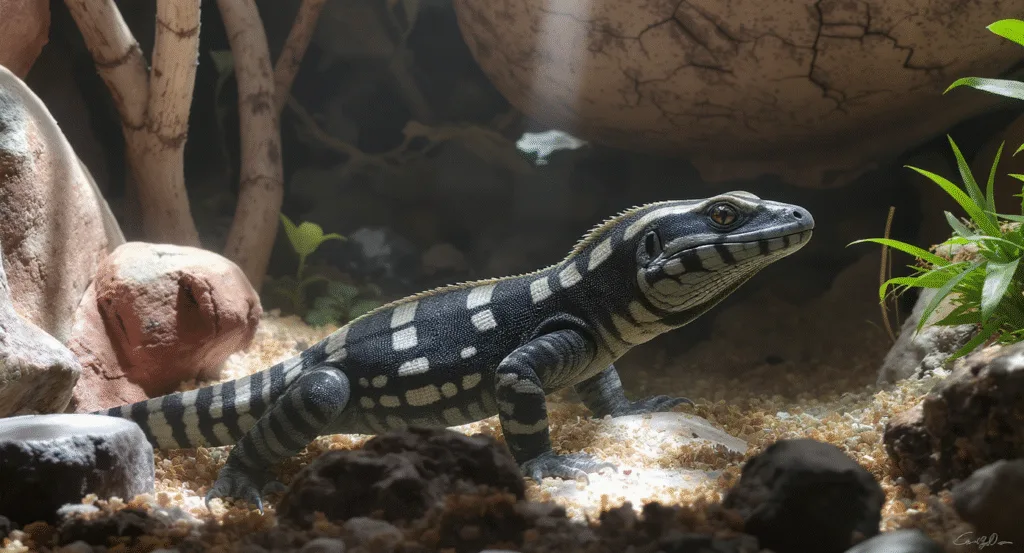
The Argentine Black and White tegu is the most common species in captivity. These impressive lizards can reach lengths of 4 to 5 feet and are known for their striking black and white banding pattern. They’re highly intelligent, can be quite docile when properly socialized, and are the most cold-tolerant tegu species, which makes them adaptable to various climates.
Colombian Tegu
Colombian tegus, also known as Gold Tegus, are generally smaller than their Argentine cousins, typically reaching 3 to 3.5 feet in length. They tend to have a more nervous disposition and may require extra patience during the taming process. These tegus often display beautiful gold and black coloration.
Worried About Your Reptile's Health?
Upload a photo and get instant AI health analysis. Catch problems before they become expensive vet bills.
Get Free Health Check →Gold Tegu
Gold Tegus are a color variant that can display stunning yellow, gold, and orange hues. They share similar care requirements with other tegu species but are prized for their exceptional coloring. These lizards can be more expensive due to their attractive appearance and selective breeding.
Enclosure Requirements: Size Matters
One of the most critical aspects of tegu care is providing adequate space. Many beginners underestimate just how large these lizards grow and how much room they need to thrive.
The minimum enclosure size for an adult tegu is 8 feet long by 4 feet wide by 4 feet tall. This is an absolute minimum—larger is always better. Juvenile tegus can start in smaller enclosures (such as a 40-gallon tank), but be prepared to upgrade multiple times as they grow rapidly during their first two years.
Your tegu enclosure should include:
Never Miss Early Warning Signs
AI photo analysis catches subtle health issues humans miss 80% of the time. Early detection = healthier reptile + lower vet bills.
Start Free Trial →- A large water dish big enough for soaking
- Multiple hiding spots on both the warm and cool ends
- Climbing branches or platforms
- A substrate suitable for burrowing, such as cypress mulch or a soil mixture
- Secure screening or locks, as tegus are intelligent and can learn to open simple latches
Temperature and Lighting Requirements
Proper temperature gradients are essential for your tegu’s health, digestion, and overall wellbeing.
Temperature Zones
Your tegu enclosure should have a basking spot of approximately 110°F, which allows your tegu to thermoregulate effectively. The ambient temperature on the warm side should be maintained at 80-85°F, while the cool end should drop to around 75-80°F. Nighttime temperatures can safely drop to 70-75°F.
Use high-quality thermometers on both ends of the enclosure to monitor temperatures accurately. Heat sources can include basking bulbs, ceramic heat emitters, and radiant heat panels.
UVB Lighting
Tegus require UVB lighting to synthesize vitamin D3 and properly metabolize calcium. Use a high-output UVB bulb (10-12% UVB) that spans at least half the enclosure length. Replace UVB bulbs every 6-12 months, as their output diminishes over time even when they still produce visible light.
Join thousands of successful reptile owners
Try ReptileCoach Free →Humidity Requirements
Maintaining proper humidity levels of 60-80% is crucial for healthy shedding and respiratory function. Monitor humidity with a quality hygrometer and adjust as needed by misting the enclosure, providing a larger water dish, or adjusting ventilation. During shedding periods, you may need to increase humidity temporarily to ensure complete, healthy sheds.
Diet and Nutrition
Tegus are omnivores with hearty appetites, requiring a varied diet to maintain optimal health.
Protein Sources
The majority of your tegu’s diet should consist of whole prey items and protein sources:
- Rodents: Mice, rats, and chicks (appropriately sized)
- Eggs: Whole raw eggs (with shells) or boiled eggs
- High-quality ground turkey or chicken
- Insects such as dubia roaches, superworms, and crickets (especially for juveniles)
Fruits and Vegetables
Approximately 20-30% of an adult tegu’s diet should include fruits and vegetables:
"This app saved my bearded dragon's life. The AI caught early MBD in photos I thought looked completely normal. Worth every penny!"
— Sarah K., ReptileCoach User
Get Your Free 7-Day Trial →- Dark leafy greens (collard greens, mustard greens, turnip greens)
- Squash and bell peppers
- Berries, melons, and tropical fruits in moderation
- Avoid avocado, which is toxic to reptiles
Dust food items with calcium powder (without D3 if using proper UVB) several times per week, and use a multivitamin supplement once weekly.
Taming and Socialization
Tegus are known for their ability to become remarkably tame with consistent, gentle handling. Start handling sessions when your tegu is young, keeping them brief (5-10 minutes) at first. Always support their entire body and move slowly to avoid startling them. Positive reinforcement through feeding during handling sessions can help build trust.
Be patient—taming a tegu can take several months. Never grab a tegu by the tail, and watch for signs of stress such as heavy breathing, tail whipping, or attempting to flee. Regular, positive interactions will result in a tegu that recognizes you and may even seek out your attention.
Lifespan and Long-Term Commitment
With proper care, tegus typically live 15-20 years in captivity, with some individuals reaching their mid-20s. This is a significant commitment that requires consistent care, regular veterinary check-ups, and substantial financial investment over the years. Consider your long-term living situation and ability to care for a large, long-lived reptile before bringing one home.
Worried About Your Reptile's Health?
Upload a photo and get instant AI health analysis. Catch problems before they become expensive vet bills.
Get Free Health Check →Legal Considerations
Before purchasing a tegu, research your local laws and regulations. Some states and municipalities have banned or restricted tegu ownership due to concerns about them becoming invasive species. States like Florida have strict regulations due to established wild populations. Always verify that tegu ownership is legal in your area and obtain any necessary permits before acquiring one.
Keep track of your tegu’s care schedule with ReptileCoach — the free reptile care app.
Conclusion
Caring for a tegu is a rewarding experience that offers unique opportunities for interaction and bonding rarely found with other reptiles. By providing appropriate housing, maintaining proper temperatures and humidity, offering a varied diet, and investing time in socialization, you’ll enjoy many years with your intelligent and engaging companion. Remember that tegus are a serious commitment requiring extensive space, time, and resources—but for dedicated keepers, they’re truly one of the most remarkable reptiles available in the hobby.
Ready to Give Your Reptile the Best Care?
Stop guessing and start knowing. Get personalized AI-powered care guidance, photo health analysis, and 24/7 expert advice for YOUR specific reptile.
Get Personalized Care Guidance
AI-powered photo analysis and daily care tracking for YOUR reptile
Try Free for 7 Days →