
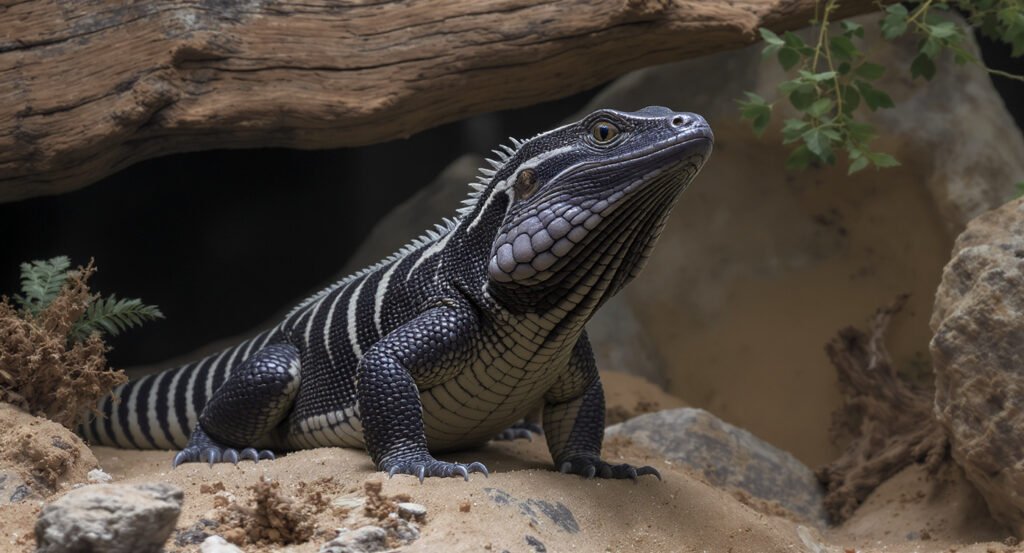
What Is a Tegu?
Tegus belong to the family Teiidae and are native to South America and parts of Central America. The most popular species kept as pets are the Argentine black and white tegu (Salvator merianae) and the Argentine red tegu (Salvator rufescens). Both species can grow between 3 and 5 feet in length and live 15 to 20 years in captivity with proper care.
Unlike many reptiles, tegus are highly intelligent and can recognize their owners, learn routines, and even respond to their names. They are one of the few reptile species capable of partial endothermy, meaning they can regulate their body temperature to some degree — a trait that makes them especially fascinating from a biological standpoint.
Setting Up the Right Enclosure
Housing is one of the most critical aspects of tegu care. A juvenile tegu can start in a 4x2x2 foot enclosure, but adults need significantly more space. A fully grown tegu should have a minimum enclosure size of 8x4x4 feet, though bigger is always better.
Temperature and Lighting
Tegus are ectotherms that rely on external heat sources to regulate their body temperature. Your enclosure needs a proper thermal gradient so your tegu can move between warmer and cooler zones as needed.
Worried About Your Reptile's Health?
Upload a photo and get instant AI health analysis. Catch problems before they become expensive vet bills.
Get Free Health Check →- Basking spot: 110–130°F
- Warm side ambient temperature: 85–90°F
- Cool side ambient temperature: 75–80°F
- Nighttime temperature: No lower than 70°F
- UVB lighting: A high-output UVB bulb (10.0 or T5 HO) is essential for calcium metabolism and overall health
Use a quality digital thermometer with a probe to monitor temperatures accurately. Avoid relying on stick-on dial thermometers, which are notoriously inaccurate.
Substrate and Humidity
Tegus are burrowers by nature. Providing a deep substrate layer — at least 12 inches — allows them to exhibit natural behaviors and helps maintain proper humidity levels. A mix of topsoil, coconut coir, and play sand works well. Aim for humidity levels between 60 and 80 percent. Low humidity can lead to shedding problems and respiratory issues over time.
Feeding Your Tegu
Tegus are omnivores with hearty appetites. A varied diet is key to keeping them healthy and preventing nutritional deficiencies.
What to Feed
Juveniles should be fed daily, while adults can be fed every other day or every two to three days depending on their size and activity level. A balanced tegu diet includes:
Never Miss Early Warning Signs
AI photo analysis catches subtle health issues humans miss 80% of the time. Early detection = healthier reptile + lower vet bills.
Start Free Trial →- Whole prey items such as mice, rats, and chicks
- High-quality ground turkey or lean beef (no more than 30% of the diet)
- Eggs, including the shell for added calcium
- Fruits such as berries, mango, and papaya (offered in moderation)
- Vegetables like leafy greens, squash, and bell peppers
- Occasional insects such as dubia roaches and superworms for juveniles
Avoid feeding dog or cat food regularly, as the high fat and protein content can lead to obesity and organ stress. Always dust food with a calcium supplement two to three times per week and a multivitamin once a week.
Hydration
Tegus need access to fresh water at all times. Provide a large, shallow water dish that your tegu can soak in. Soaking helps with hydration, digestion, and shedding. Change the water daily to prevent bacterial growth.
Handling and Socialization
One of the biggest draws of keeping a tegu is their potential to become genuinely tame and handleable. However, this does not happen automatically — it takes consistent, patient effort, especially with younger animals.
Building Trust
Start by spending time near the enclosure without reaching in. Let your tegu get used to your presence and scent. Once it is comfortable, begin short handling sessions of five to ten minutes and gradually increase the duration as trust builds. Never grab a tegu from above, as this mimics a predator attack and will set back your progress significantly.
Join thousands of successful reptile owners
Try ReptileCoach Free →Most tegus that are handled regularly from a young age become calm, curious companions. Some owners describe their tegus as following them around the house, coming when called, and even cuddling during cool weather when they seek warmth.
Brumation: The Winter Slowdown
Tegus naturally brumate — a reptile equivalent of hibernation — during the cooler months, typically from October through March. During this period, your tegu may refuse food, become lethargic, and spend most of its time buried in its substrate. This is completely normal and should not be a cause for alarm.
Do not force your tegu to stay active during brumation. Reduce feeding, maintain appropriate temperatures, and ensure fresh water is always available. Most tegus emerge from brumation on their own as daylight hours increase in spring.
Common Health Concerns
Tegus are generally hardy animals, but there are a few health issues to watch for:
"This app saved my bearded dragon's life. The AI caught early MBD in photos I thought looked completely normal. Worth every penny!"
— Sarah K., ReptileCoach User
Get Your Free 7-Day Trial →- Metabolic bone disease (MBD): Caused by insufficient UVB exposure or calcium deficiency. Prevent it with proper lighting and supplementation.
- Respiratory infections: Often linked to low temperatures or high humidity without adequate ventilation. Ensure your enclosure has good airflow.
- Parasites: Wild-caught tegus may carry internal or external parasites. A fecal exam by a reptile-experienced vet is recommended when you first bring one home.
- Obesity: Overfeeding, especially with fatty foods, is a common problem. Stick to a structured feeding schedule and monitor your tegu’s body condition regularly.
Find a reptile-experienced veterinarian before you need one. Annual wellness checkups are a good habit to establish early.
Is a Tegu Right for You?
Tegus are not beginner reptiles in the traditional sense. They require large enclosures, specific environmental conditions, a varied diet, and a significant time investment for socialization. But for the right owner — someone willing to put in the work — they are extraordinarily rewarding animals that can become true companions.
If you are serious about giving your tegu the best possible life, staying organized with feeding schedules, health records, and husbandry logs makes a real difference. You can manage your tegu care routine with tools designed specifically for reptile keepers, helping you track everything from feeding dates to vet visits in one place. Your tegu deserves consistent, informed care — and the right support makes that much easier to deliver.
Ready to Give Your Reptile the Best Care?
Stop guessing and start knowing. Get personalized AI-powered care guidance, photo health analysis, and 24/7 expert advice for YOUR specific reptile.
Get Personalized Care Guidance
AI-powered photo analysis and daily care tracking for YOUR reptile
Try Free for 7 Days →