
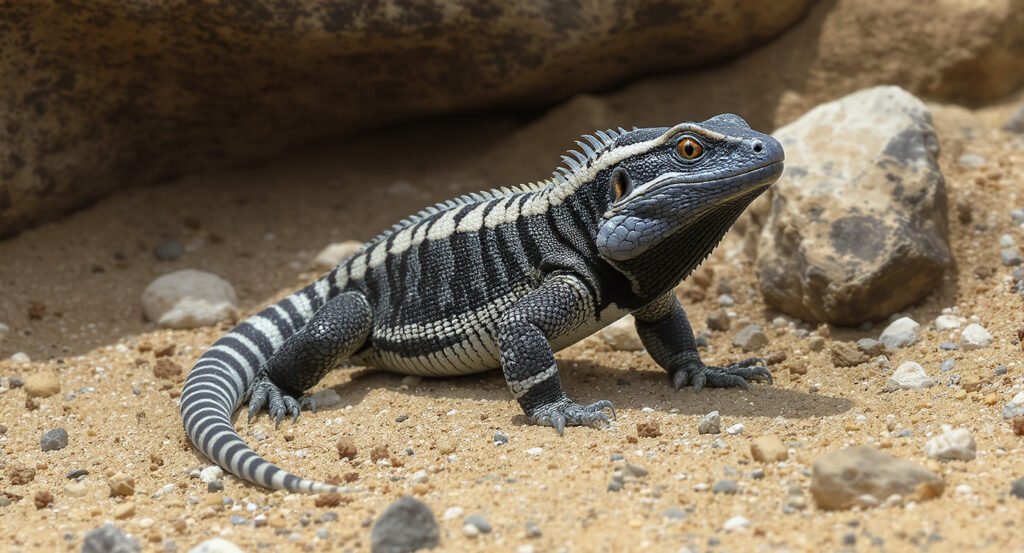
Tegus are among the most intelligent and personable lizards you can keep as pets, but they require dedicated care and commitment. These large South American lizards can grow up to 4-5 feet long and live for 15-20 years with proper husbandry. Whether you’re considering adding a tegu to your family or already have one, this comprehensive care guide will help you provide the best possible environment for your scaly companion.
Understanding Tegu Species and Temperament
The most common species in captivity are Argentine Black and White Tegus and Red Tegus. Argentine tegus are known for their striking black and white banding patterns, while Red Tegus display beautiful reddish coloration. Both species are highly intelligent and can recognize their owners, respond to their names, and even be trained to walk on a leash. However, they require consistent handling from a young age to remain docile and friendly.
Tegus have strong personalities and can become defensive if not properly socialized. Young tegus may be skittish or nippy, but with patience and regular gentle handling, they typically become calm and affectionate pets. It’s important to note that tegus have powerful jaws and sharp claws, so proper handling techniques are essential for both your safety and theirs.
Enclosure Requirements and Setup
Adult tegus need substantial space to thrive. A minimum enclosure size of 8 feet long by 4 feet wide by 4 feet tall is recommended for a full-grown tegu, though bigger is always better. Juvenile tegus can start in smaller enclosures (4x2x2 feet), but be prepared to upgrade as they grow rapidly during their first few years.
Worried About Your Reptile's Health?
Upload a photo and get instant AI health analysis. Catch problems before they become expensive vet bills.
Get Free Health Check →The enclosure should be escape-proof with secure latches, as tegus are surprisingly strong and intelligent enough to push open poorly secured doors. Custom-built enclosures or large animal cages work best. Avoid glass aquariums for adults, as they don’t provide adequate space or ventilation.
Substrate choice is crucial for tegus. They love to dig and burrow, so provide at least 6-12 inches of substrate depth. Cypress mulch, coconut coir, or a mixture of topsoil and play sand work well. Avoid substrates like pine or cedar, which can be toxic to reptiles. The substrate should hold moisture to maintain proper humidity levels while allowing for natural burrowing behavior.
Temperature and Humidity Control
Tegus are ectothermic and require a proper temperature gradient to regulate their body temperature. The basking spot should reach 100-110°F, while the cool end should be around 75-80°F. Nighttime temperatures can drop to 70-75°F. Use high-quality thermometers to monitor temperatures accurately, and consider using a thermostat to prevent overheating.
Provide basking heat using ceramic heat emitters, halogen bulbs, or mercury vapor bulbs. UVB lighting is essential for calcium metabolism and overall health. Use a high-output UVB bulb (10-12% UVB) and replace it every 6-12 months, as the UVB output diminishes over time even when the bulb still produces visible light.
Never Miss Early Warning Signs
AI photo analysis catches subtle health issues humans miss 80% of the time. Early detection = healthier reptile + lower vet bills.
Start Free Trial →Humidity levels should be maintained between 60-80%. This can be achieved through regular misting, a large water dish, and moisture-retaining substrate. Monitor humidity with a reliable hygrometer and adjust your misting schedule accordingly. Proper humidity is especially important during shedding periods.
Nutrition and Feeding Schedule
Tegus are omnivores with hearty appetites. A balanced diet should include a variety of proteins and plant matter. Juvenile tegus (under 2 years) should eat primarily protein, about 80-90% of their diet, while adults should have a more balanced ratio of 60% protein to 40% fruits and vegetables.
Protein sources include whole prey items like mice, rats, chicks, and quail, as well as cooked eggs, high-quality dog food, and insects like dubia roaches and superworms. Avoid feeding wild-caught insects or rodents due to parasite risks. Fish can be offered occasionally but shouldn’t be a staple.
Vegetables and fruits should include dark leafy greens, squash, berries, and melons. Avoid high-oxalate foods like spinach and avoid feeding too much fruit due to sugar content. All food should be dusted with calcium powder (with D3 if not using UVB) at most feedings, and a multivitamin supplement should be provided once or twice weekly.
Join thousands of successful reptile owners
Try ReptileCoach Free →Feed juveniles daily, while adults can be fed every 2-3 days. Always remove uneaten food within a few hours to prevent spoilage and bacterial growth.
Brumation: The Tegu Winter Rest
Tegus naturally undergo brumation, a hibernation-like state, during winter months. This typically occurs between November and March. During brumation, tegus will eat less, become lethargic, and eventually stop eating altogether as they sleep for extended periods.
While brumation is natural, it’s not mandatory for captive tegus, especially if you’re not breeding. However, many keepers allow their tegus to brumate as it’s believed to be beneficial for their long-term health. If your tegu begins showing signs of brumation, gradually reduce feeding and temperatures, and provide a secure, dark area for them to rest.
Health Monitoring and Common Issues
Regular health checks are essential for tegu care. Watch for signs of illness including lethargy (outside of brumation), loss of appetite, abnormal feces, respiratory issues (wheezing, mucus around nostrils), or incomplete sheds. Metabolic bone disease can occur if calcium and UVB requirements aren’t met, causing weak bones and deformities.
"This app saved my bearded dragon's life. The AI caught early MBD in photos I thought looked completely normal. Worth every penny!"
— Sarah K., ReptileCoach User
Get Your Free 7-Day Trial →Find a reptile veterinarian before you need one, and schedule annual checkups. Fecal exams should be performed yearly to check for parasites, which are common in tegus. Maintain excellent hygiene by spot-cleaning daily and performing deep cleans monthly to prevent bacterial infections.
Take Your Tegu Care to the Next Level
Caring for a tegu is a rewarding but complex responsibility that requires dedication, proper equipment, and ongoing education. Whether you’re troubleshooting a specific issue or want to optimize your tegu’s care routine, having expert guidance makes all the difference.
Ready to become the best tegu owner possible? Visit the ReptileCoach app for personalized care advice, feeding schedules, health tracking tools, and direct access to reptile care experts. Our comprehensive platform helps you monitor your tegu’s growth, track brumation cycles, and get answers to your specific questions from experienced reptile keepers. Start your free trial today and give your tegu the expert care they deserve!
Ready to Give Your Reptile the Best Care?
Stop guessing and start knowing. Get personalized AI-powered care guidance, photo health analysis, and 24/7 expert advice for YOUR specific reptile.
Get Personalized Care Guidance
AI-powered photo analysis and daily care tracking for YOUR reptile
Try Free for 7 Days →