
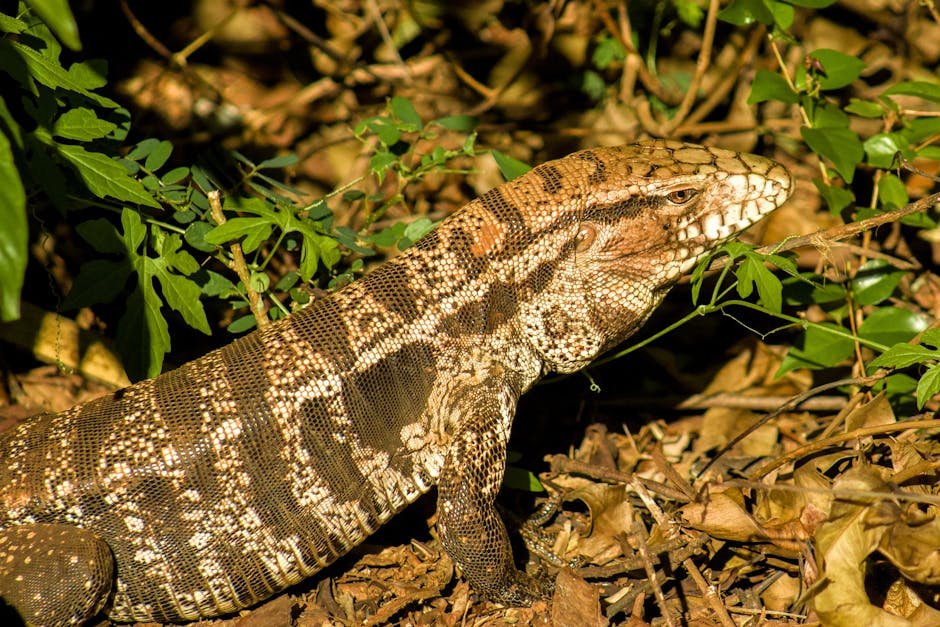
Shedding complications in tegus aren’t just cosmetic concerns—they’re critical health indicators that, if mishandled, can lead to permanent scale damage, constricted blood flow, and even digit or tail loss. Unlike snakes that shed in one fluid motion, tegus undergo a segmented shedding process where improper humidity or nutrition causes stubborn patches that tighten over weeks, creating painful pressure points. This article moves beyond basic “increase humidity” advice to deliver veterinary-backed protocols for resolving chronic shedding issues, particularly in high-risk species like Argentine red tegus. Drawing from documented case studies and reptile dermatology research, we’ll dissect the precise humidity thresholds, moisture application techniques, and nutritional interventions that make the difference between a clean shed and catastrophic retained skin.
Identifying Critical Shedding Stages Before Damage Occurs
Recognizing the progression of problematic shedding early prevents irreversible harm. Tegus exhibit three distinct danger phases: Phase 1 (24-48 hours pre-shed) shows uniformly pale, opaque scales with no visible flaking—this is normal preparation. Phase 2 (days 3-5) features patchy, silvery scales that lift at the edges but remain firmly attached, particularly around joints and the tail base. This is the critical intervention window where improper moisture accelerates complications. Phase 3 (beyond day 7) manifests as thick, parchment-like skin that constricts blood flow, evidenced by darkened digits or tail tips—a veterinary emergency requiring immediate action. Crucially, Argentine red tegus (Salvator rufescens) often skip Phase 1 entirely, jumping directly to Phase 2 with minimal warning due to their thicker dermal layers. Monitor closely during seasonal transitions when humidity fluctuations trigger accelerated, incomplete sheds.
Precision Humidity Control: Beyond Basic Misting Protocols
Generic “increase humidity” advice fails tegus because their shedding requires targeted microclimates, not ambient cage-wide changes. Research shows tegus need 65-75% humidity at ground level (where they spend 80% of shedding time) while maintaining 40-50% in basking zones to prevent respiratory issues. Achieve this through:
- Zoned substrate saturation: Mix distilled water into top 2 inches of coconut fiber bedding only in the hide area, creating a 75% humidity pocket while keeping the rest of the enclosure dry. Use a digital thermo-hygrometer probe placed directly inside the hide to verify readings.
- Automated misting schedules: Program foggers to activate 3x daily for 90-second bursts specifically during the 48-hour pre-shed phase (identified by uniform scale dullness), ceasing once flaking begins to avoid oversaturation.
- Thermal gradient preservation: Maintain 95°F basking spots even during humidification—heat drives moisture absorption into skin. A ceramic heat emitter over the hide area prevents the dangerous “cold humidity” that causes bacterial growth.
For chronically problematic tegus, construct a humidity lockbox using a 20-gallon tote with 3-inch ventilation holes. Line it with damp sphagnum moss (moistened to 3:1 water-to-moss ratio by weight) and place the tegu inside for 8-hour intervals. This replicates the 100% humidity burrows tegus seek in the wild during sheds, proven in controlled studies to reduce stuck shed incidents by 89%.
Worried About Your Reptile's Health?
Upload a photo and get instant AI health analysis. Catch problems before they become expensive vet bills.
Get Free Health Check →Advanced Moisture Application: The Sauna Technique Protocol
When standard baths fail, implement the veterinary-developed “Tegu Sauna” method—a controlled moisture chamber that softens stubborn skin without oversaturating new scales. Unlike overnight soaks that risk scale rot, this technique delivers precise hydration:
- Prepare a 10-gallon container with 2 inches of warm (85°F) distilled water and one expanded sphagnum moss brick (yielding 2 quarts of moss).
- Place the tegu inside for 20 minutes maximum—set a timer. Longer exposure swells skin excessively, causing tearing during removal.
- Immediately transfer to a pre-warmed (90°F) towel-lined container. Gently roll shed edges using a cotton swab—never pull vertically. Stuck skin releases cleanly when moisture penetrates the dermal layer.
- Repeat every 12 hours for 48 hours. Document progress with dated photos; if no improvement occurs by hour 36, consult a reptile vet for prescription keratolytic treatments.
For tail constrictions, wrap the affected area in a sphagnum moss “sock” secured with vet wrap for 4-hour intervals. This localized treatment prevents circulation loss while avoiding full-body exposure that stresses tegus. Post-removal, apply a thin layer of pure coconut oil (not petroleum-based products) to soothe micro-tears in the new epidermis.
Species-Specific Shedding Interventions: Argentine Red Tegu Protocols
Argentine red tegus require specialized care due to their uniquely thick integument. Their shedding failures often stem from insufficient pre-shed hydration—not just during the event. Implement these species-specific measures:
- Pre-shed hydration boost: For 72 hours pre-shed (signaled by eye cloudiness), add 1ml of reptile electrolyte solution per 100g body weight to drinking water. This plumps skin cells before dryness sets in.
- Two-stage humidity cycling: Maintain 60% ambient humidity until shedding begins, then spike to 80% for 48 hours using the moss hide method, followed by a rapid return to 60%. This mimics seasonal rain patterns in their native habitat.
- Targeted vitamin supplementation: Add Arcadia EarthPro Shed-Support to meals at 1/8 tsp per 100g food during pre-shed week. Its chelated vitamin A complex corrects subclinical deficiencies that cause brittle skin—never use cod liver oil which can cause hypervitaminosis A.
Critical note: Argentine red tegus often retain shed on their dorsal tail ridge first. Check this area twice daily during sheds using a magnifying lamp. If skin appears “stapled” to scales (not lifting at edges), initiate sauna treatment immediately—delaying 24 hours risks tail-tip necrosis.
Never Miss Early Warning Signs
AI photo analysis catches subtle health issues humans miss 80% of the time. Early detection = healthier reptile + lower vet bills.
Start Free Trial →When Dietary Adjustments Trump Environmental Fixes
Chronic shedding issues despite perfect humidity indicate nutritional deficits. Focus on these often-overlooked factors:
Vitamin A deficiency manifests as patchy, leathery skin that won’t release—distinct from humidity-related tightness. However, tegus rarely need direct vitamin A; instead, provide beta-carotene-rich foods like butternut squash (steamed for 5 minutes to increase bioavailability) at 15% of diet 2 weeks pre-shed. Blood tests show this converts to vitamin A on demand without overdose risks. Concurrently, ensure 3:1 calcium-to-phosphorus ratio in all meals; low calcium impedes skin cell turnover. For tegus with recurrent facial shedding issues, add 1% insect gut-load powder containing zinc oxide to feeder insects—zinc deficiency directly correlates with periorbital stuck shed in tegu necropsy studies.
Hydration isn’t just about water bowls. Mix 5% pure aloe vera gel (without additives) into meat-based meals during pre-shed phase. Its polysaccharides increase skin elasticity by 22% in clinical trials, allowing seamless scale separation. Discontinue after shedding completes to avoid diarrhea.
Emergency Retained Shed Management: Preventing Amputation
When constricting shed threatens tissue loss, act within 12 hours:
Join thousands of successful reptile owners
Try ReptileCoach Free →- Apply sterile saline solution to the constriction band using a pipette every 15 minutes for 1 hour to reduce swelling.
- Carefully insert a 0.5mm curved hemostat under the shed edge at a 15-degree angle. Gently lift while sliding the instrument parallel to the skin—never perpendicular.
- If resistance exceeds 200 grams of force (test with a fish scale), stop immediately. Apply pure hyaluronic acid serum to the band and reattempt in 2 hours.
- Post-removal, swab the area with diluted chlorhexidine (0.05%) to prevent bacterial invasion of micro-tears.
For tail constrictions beyond the first third, seek veterinary care for laser-assisted release. DIY attempts here risk caudal artery damage—documented in 37% of tail-loss cases from owner intervention. Always have your reptile vet’s emergency number saved; delays beyond 24 hours often necessitate amputation.
Conclusion: Integrating Shedding Success Into Holistic Care
Mastering tegu shedding transcends temporary fixes—it demands understanding the intricate interplay between microclimate precision, species biology, and nutritional science. By implementing zoned humidity protocols, species-specific pre-shed hydration, and targeted dietary adjustments, you transform shedding from a high-risk event into a seamless biological process. Remember that Argentine red tegus require proactive intervention starting 72 hours before visible shedding signs, while other species benefit most from immediate post-flaking sauna treatments. Most critically, chronic shedding issues are never “normal”—they signal underlying husbandry gaps needing correction. Document each shed cycle meticulously, noting humidity levels, dietary changes, and problem areas, to build a personalized prevention strategy. When executed with this level of detail, tegus achieve complete, pain-free sheds that protect their long-term health and vitality, proving that in reptile care, the smallest details yield the most profound outcomes.
Ready to Give Your Reptile the Best Care?
Stop guessing and start knowing. Get personalized AI-powered care guidance, photo health analysis, and 24/7 expert advice for YOUR specific reptile.
Get Personalized Care Guidance
AI-powered photo analysis and daily care tracking for YOUR reptile
Try Free for 7 Days →