
This skill is about UI design, not relevant here. I’ll write the blog post content directly.
“`html
Why Garter Snakes Make Great First Reptiles
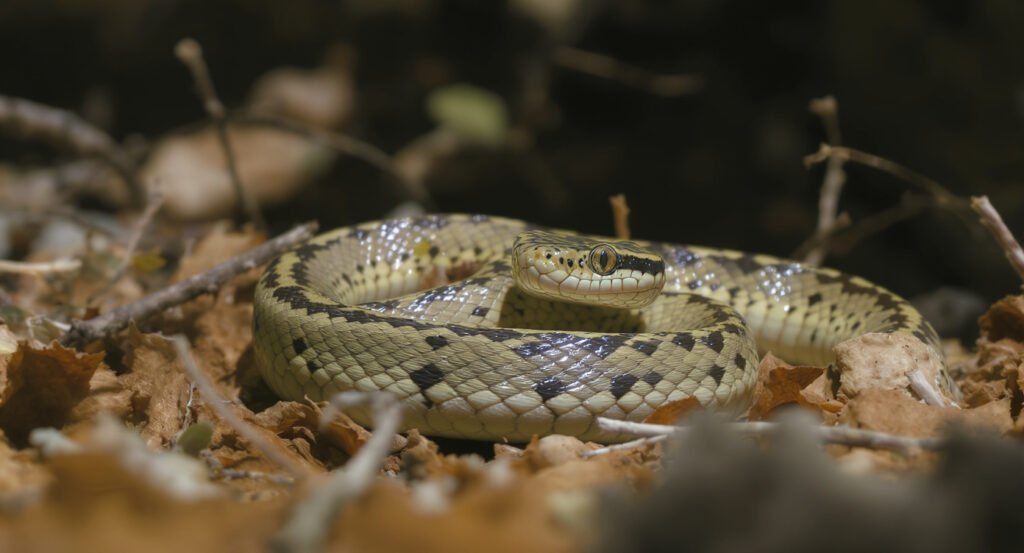
Garter snakes (Thamnophis spp.) are one of the most beginner-friendly reptiles you can own. Native to North America, they’re small, non-venomous, relatively easy to feed, and can become surprisingly docile with consistent handling. Whether you’ve just brought one home or you’re still researching, this guide covers everything you need to know about garter snake care — from setting up the perfect enclosure to recognizing signs of illness.
Setting Up the Ideal Garter Snake Enclosure
A proper habitat is the foundation of a healthy garter snake. Getting the setup right from day one will save you a lot of troubleshooting down the road.
Worried About Your Reptile's Health?
Upload a photo and get instant AI health analysis. Catch problems before they become expensive vet bills.
Get Free Health Check →Tank Size
For a single adult garter snake, a 20-gallon long tank (30″ × 12″ × 12″) is the recommended minimum. Larger snakes or multiple snakes benefit from a 40-gallon breeder enclosure. Juveniles can start in a 10-gallon tank, but they grow fast — plan ahead.
Substrate
Garter snakes do well on several substrate options. Good choices include:
- Cypress mulch — retains moisture well and looks naturalistic
- Coconut fiber (coco coir) — excellent for maintaining humidity
- Aspen shavings — affordable and easy to clean, though it doesn’t hold humidity as well
- Paper towels or reptile carpet — great for quarantine setups or juvenile snakes
Avoid cedar or pine shavings, which release aromatic oils toxic to reptiles.
Temperature and Lighting
Garter snakes are ectotherms — they rely on external heat sources to regulate their body temperature. Maintain a thermal gradient in the enclosure:
Never Miss Early Warning Signs
AI photo analysis catches subtle health issues humans miss 80% of the time. Early detection = healthier reptile + lower vet bills.
Start Free Trial →- Warm side: 80–85°F (27–29°C)
- Cool side: 70–75°F (21–24°C)
- Nighttime low: No cooler than 65°F (18°C)
Use an under-tank heater or a low-wattage basking bulb on a thermostat. A UVB light isn’t strictly required, but many keepers report improved activity and appetite when one is provided — a 5.0 UVB bulb on a 12-hour cycle works well.
Humidity and Hides
Garter snakes prefer moderate humidity levels of 40–60%. Mist the enclosure lightly every couple of days, and provide a humid hide (a small enclosed box with moist moss inside) to support healthy shedding. Always include at least two hides — one on the warm side and one on the cool side — so your snake can thermoregulate without feeling exposed.
Feeding Your Garter Snake
Diet is one area where garter snakes differ noticeably from other popular pet snakes. They’re not strictly rodent-eaters, which actually gives keepers some interesting options.
What to Feed
- Feeder fish — small goldfish or guppies are often accepted eagerly, though they shouldn’t make up the entire diet due to thiaminase content
- Earthworms — an excellent staple food; nutritious, easy to source, and readily accepted
- Frozen/thawed pinkies — small mice provide essential nutrition and are ideal for larger garter snakes
- Commercial garter snake diet — reputable brands offer complete, balanced formulas
Variety is key. Rotating between earthworms, pinkies, and supplemented fish gives your snake a more complete nutritional profile. Dust food items with a calcium supplement once or twice a week.
Join thousands of successful reptile owners
Try ReptileCoach Free →Feeding Schedule
Juveniles (under 12 months) should be fed every 4–5 days. Adults do well with feedings every 7–10 days. Always feed in the enclosure using feeding tongs to prevent accidental bites and help your snake associate your hand with handling, not food.
Handling and Temperament
Garter snakes can be nippy when first acquired, but most calm down significantly with regular, gentle handling. Start with short sessions of 5–10 minutes every other day, letting your snake get used to your scent and movements. Avoid handling for 48 hours after feeding to prevent regurgitation.
Signs of stress to watch for include musking (releasing a pungent secretion), biting, and excessive hiding. If your snake consistently shows these behaviors after several weeks, it may need more time to acclimate or its enclosure conditions may need adjusting.
Common Health Issues in Garter Snakes
Routine observation is your best health monitoring tool. Get to know your snake’s normal behavior so you can spot changes early.
"This app saved my bearded dragon's life. The AI caught early MBD in photos I thought looked completely normal. Worth every penny!"
— Sarah K., ReptileCoach User
Get Your Free 7-Day Trial →Respiratory Infections
Symptoms include wheezing, mucus around the mouth or nostrils, and open-mouth breathing. These are often caused by low temperatures or high humidity. Correct the environment and consult a reptile veterinarian promptly.
Mites and Parasites
Small black or red dots moving on your snake’s skin are a sign of mites. Quarantine any new snake for 30–60 days before introducing it to other reptiles. Treat mite infestations with veterinarian-recommended products and thoroughly clean the enclosure.
Shedding Problems (Dysecdysis)
Incomplete sheds are usually caused by low humidity. If your snake retains shed around the eyes (called “eye caps”) or tail tip, soak it in lukewarm water for 20–30 minutes to help loosen the skin. Never forcefully peel shed from a snake.
Thiamine Deficiency
If feeder fish make up a large portion of the diet, garter snakes can develop thiamine (Vitamin B1) deficiency. Signs include neurological symptoms like head wobbling or loss of coordination. Rotate fish with earthworms and pinkies, and consider a B1 supplement to prevent this.
Worried About Your Reptile's Health?
Upload a photo and get instant AI health analysis. Catch problems before they become expensive vet bills.
Get Free Health Check →Quick-Reference Garter Snake Care Checklist
- 20-gallon long enclosure minimum for adults
- Warm side 80–85°F, cool side 70–75°F
- Humidity maintained at 40–60%
- Two hides minimum (warm and cool side)
- Varied diet of earthworms, pinkies, and fish
- Feed juveniles every 4–5 days, adults every 7–10 days
- Calcium supplement dusted on food 1–2× per week
- Handle regularly but gently to build trust
- Quarantine new snakes for 30–60 days
- Annual vet checkups with a reptile-experienced veterinarian
Final Thoughts
Garter snakes are rewarding pets that thrive when their basic needs are consistently met. With the right enclosure setup, a varied and nutritious diet, and attentive daily observation, your garter snake can live 10 years or more in captivity. The investment in learning their needs early pays off in a healthy, active, personable companion.
Ready to track your reptile’s health and feeding schedule? Try the ReptileCoach App today!
“`
Ready to Give Your Reptile the Best Care?
Stop guessing and start knowing. Get personalized AI-powered care guidance, photo health analysis, and 24/7 expert advice for YOUR specific reptile.
Get Personalized Care Guidance
AI-powered photo analysis and daily care tracking for YOUR reptile
Try Free for 7 Days →