
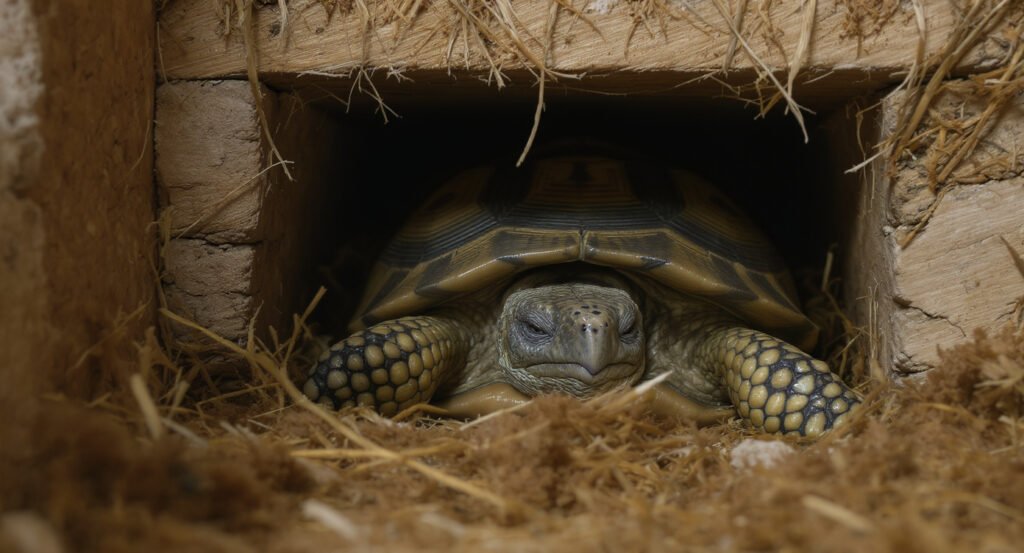
If you’re a tortoise owner, understanding hibernation—or brumation as it’s properly called in reptiles—is essential for your pet’s long-term health. While the process might seem intimidating at first, with the right preparation and knowledge, you can safely guide your tortoise through this natural cycle.
What Is Brumation and Why Does It Matter?
Brumation is the reptilian equivalent of hibernation. In the wild, many tortoise species enter a state of dormancy during colder months when food becomes scarce and temperatures drop. Their metabolism slows dramatically, and they become inactive for weeks or months.
Not all tortoises need to brumate, but for species like Russian tortoises, Hermann’s tortoises, and Greek tortoises, brumation serves important biological functions. It helps regulate hormones, supports reproductive health, and can actually extend their lifespan when done correctly.
Which Tortoises Should Brumate?
Before planning hibernation, determine whether your tortoise species naturally brumates:
Worried About Your Reptile's Health?
Upload a photo and get instant AI health analysis. Catch problems before they become expensive vet bills.
Get Free Health Check →- Species that brumate: Russian tortoises, Hermann’s tortoises, Greek tortoises, Horsfield’s tortoises, and most Mediterranean species
- Species that don’t brumate: Sulcata tortoises, leopard tortoises, red-footed tortoises, and most tropical species
Young tortoises under two years old and any tortoise that’s underweight or unhealthy should not brumate. Always consult with a reptile veterinarian before your tortoise’s first brumation.
Pre-Brumation Health Check
A healthy tortoise is a safe hibernator. Schedule a veterinary exam 4-6 weeks before planned brumation. Your vet should check for:
- Respiratory infections (no wheezing, nasal discharge, or gaping)
- Proper body weight (the tortoise should feel heavy for its size)
- Parasite load (fecal test recommended)
- Overall shell and eye condition
An unhealthy tortoise entering brumation faces serious risks, including death. When in doubt, keep your tortoise active through winter with proper heat and lighting.
The Winding Down Period
Don’t rush the process. Gradual preparation is key to safe brumation:
Never Miss Early Warning Signs
AI photo analysis catches subtle health issues humans miss 80% of the time. Early detection = healthier reptile + lower vet bills.
Start Free Trial →6-8 Weeks Before
Maintain normal feeding and temperature schedules while monitoring weight weekly. This is your baseline period.
2-3 Weeks Before
Begin gradually reducing temperatures by 2-3 degrees Fahrenheit every few days. Start reducing food portions while increasing fiber content. Your tortoise’s appetite will naturally decrease.
Final Week
Stop feeding entirely. This fasting period is critical—your tortoise must empty its digestive system completely before temperatures drop too low. Undigested food can rot inside a dormant tortoise, causing fatal infections.
Provide daily lukewarm baths (85-90°F) for 20-30 minutes to encourage hydration and defecation. Continue until you see no more feces being passed.
Join thousands of successful reptile owners
Try ReptileCoach Free →Creating the Perfect Brumation Environment
Temperature control is everything during brumation. The ideal range is 40-50°F (4-10°C). Warmer than 50°F and your tortoise won’t fully brumate, burning through fat reserves unnecessarily. Colder than 37°F risks freezing and death.
Location Options
Refrigerator method: A dedicated mini-fridge offers the most precise temperature control. Place your tortoise in a breathable container with ventilation holes, bedded with shredded paper or hay. Check temperature daily with a reliable thermometer.
Garage or shed method: Insulated boxes in temperature-stable outbuildings work for some climates. This method requires more monitoring as temperatures fluctuate with weather. Use a thermometer with min/max readings.
Basement method: Cool, stable basements can work if temperatures remain consistently in range. Avoid areas near furnaces or water heaters.
"This app saved my bearded dragon's life. The AI caught early MBD in photos I thought looked completely normal. Worth every penny!"
— Sarah K., ReptileCoach User
Get Your Free 7-Day Trial →During Brumation: Monitoring and Care
Check your tortoise every 2-3 weeks. Weigh them each time—losing more than 1% of body weight per month signals a problem. Look for signs of:
- Respiratory issues (bubbling, discharge)
- Excessive weight loss
- Activity when temperature is correct
- Unusual odors suggesting infection
Most tortoises will lose 3-5% of body weight over a proper brumation period. Track your tortoise’s care schedule, weight changes, and temperature readings using a dedicated tool like the Reptile Coach app, which helps you monitor all vital parameters and set reminders for check-ins.
How Long Should Brumation Last?
Duration varies by species and age, but general guidelines are:
- First-time brumators: 4-6 weeks
- Experienced adults: 8-12 weeks
- Wild guidelines: Some species naturally brumate for 3-4 months
Shorter is safer when you’re learning. You can gradually extend duration as you gain experience and confidence.
Worried About Your Reptile's Health?
Upload a photo and get instant AI health analysis. Catch problems before they become expensive vet bills.
Get Free Health Check →Waking Up: The Emergence Period
Bringing your tortoise out of brumation requires the same gradual approach as entering it:
Move your tortoise to a warmer environment, around 60-65°F initially. Over 1-2 weeks, gradually increase temperatures back to normal basking ranges (85-95°F depending on species). Resume daily warm baths to stimulate hydration and elimination.
Don’t offer food immediately. Wait until your tortoise is fully active and has had several bowel movements, usually 3-5 days after emergence. Start with highly digestible greens and gradually return to their normal diet.
When to Skip Brumation
Brumation isn’t mandatory for captive tortoises. Skip hibernation if:
Never Miss Early Warning Signs
AI photo analysis catches subtle health issues humans miss 80% of the time. Early detection = healthier reptile + lower vet bills.
Start Free Trial →- Your tortoise is sick, injured, or underweight
- You’re a first-time owner feeling uncertain
- Your tortoise is under 2 years old
- You cannot maintain stable temperatures in the proper range
- You’re unable to perform regular monitoring
Healthy tortoises can live full lives without ever brumating in captivity. The decision should be based on your confidence level, your specific tortoise, and your ability to provide proper conditions.
Your Path Forward
Brumation represents one of the more advanced aspects of tortoise care, but thousands of keepers successfully hibernate their tortoises each year. Start conservatively with shorter periods, maintain detailed records, and don’t hesitate to wake your tortoise early if anything seems wrong.
Remember that each tortoise is an individual. What works perfectly for one keeper’s Russian tortoise might need adjustment for yours. Pay attention, trust your observations, and prioritize safety over following rigid schedules. With careful preparation and attentive monitoring, you can confidently provide this natural and beneficial experience for your shelled companion.
Ready to Give Your Reptile the Best Care?
Stop guessing and start knowing. Get personalized AI-powered care guidance, photo health analysis, and 24/7 expert advice for YOUR specific reptile.
Get Personalized Care Guidance
AI-powered photo analysis and daily care tracking for YOUR reptile
Try Free for 7 Days →