
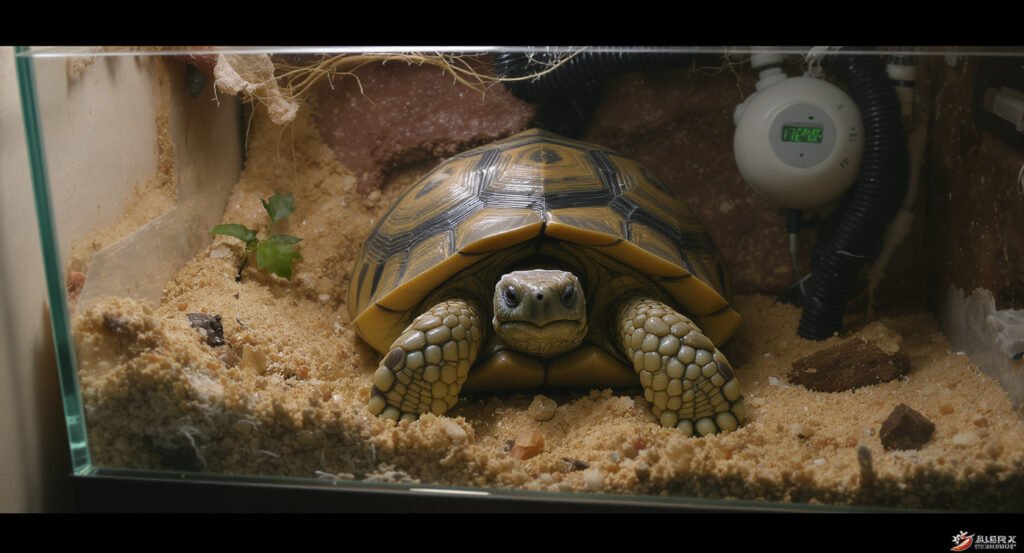
Tortoise hibernation, also known as brumation, is a natural biological process that many tortoise species undergo during colder months. Understanding how to properly manage your tortoise’s hibernation is crucial for their health and longevity. This comprehensive guide covers everything you need to know about safely hibernating your tortoise at home.
What Is Tortoise Hibernation?
Hibernation is a state of dormancy where a tortoise’s metabolic rate slows dramatically to conserve energy during periods when food is scarce and temperatures drop. In the wild, this typically occurs during winter months. Not all tortoise species hibernate—tropical species like red-footed tortoises do not require hibernation, while Mediterranean species such as Hermann’s, Russian, and Greek tortoises naturally brumate.
Which Tortoise Species Need to Hibernate?
Understanding your tortoise’s natural habitat is essential for proper care. Species that commonly hibernate include:
- Hermann’s tortoises
- Russian tortoises (Horsfield’s tortoise)
- Greek tortoises (Spur-thighed tortoise)
- Marginated tortoises
- Desert tortoises
Tropical and subtropical species should not be hibernated, as they come from regions without cold winters. Always research your specific species before attempting hibernation.
Worried About Your Reptile's Health?
Upload a photo and get instant AI health analysis. Catch problems before they become expensive vet bills.
Get Free Health Check →Pre-Hibernation Health Check
Before hibernating your tortoise, a thorough health assessment is critical. Only healthy tortoises should hibernate. Schedule a veterinary examination 4-6 weeks before planned hibernation to check for:
- Respiratory infections (wheezing, nasal discharge, gaping mouth)
- Parasites (conduct a fecal exam)
- Proper body weight (underweight tortoises may not survive hibernation)
- Eye or shell infections
- Overall body condition
A tortoise’s weight should be appropriate for its size. Hatchlings and juveniles under certain weights should typically not be hibernated, or only for shortened periods.
Preparing Your Tortoise for Hibernation
The Fasting Period
Before hibernation begins, your tortoise must completely empty its digestive system. Undigested food can rot inside the stomach during hibernation, causing fatal infections. The fasting period typically lasts 2-4 weeks, depending on the tortoise’s size:
- Small tortoises (under 100g): 2 weeks
- Medium tortoises (100-500g): 3 weeks
- Large tortoises (over 500g): 4 weeks
During this period, gradually reduce temperatures while maintaining access to water and bathing opportunities. The tortoise will naturally stop eating as temperatures drop.
Never Miss Early Warning Signs
AI photo analysis catches subtle health issues humans miss 80% of the time. Early detection = healthier reptile + lower vet bills.
Start Free Trial →Temperature Reduction
Gradually lower the ambient temperature over 1-2 weeks, allowing your tortoise to adjust naturally. Reduce heating times and basking temperatures incrementally until the tortoise becomes less active and stops eating.
Hibernation Methods
Refrigerator Method (Recommended)
The refrigerator method provides the most controlled and stable hibernation environment. This method maintains consistent temperatures between 39-45°F (4-7°C), which is ideal for most hibernating species.
Setup instructions:
- Use a dedicated refrigerator or a large section of a household refrigerator
- Place the tortoise in a ventilated box with air holes
- Layer substrate such as shredded paper or hay around the tortoise
- Monitor temperature daily with an accurate thermometer
- Check humidity levels (50-70% is ideal)
- Briefly open the door weekly to exchange air
Outdoor Cold Frame or Shed Method
This method mimics natural conditions but requires careful monitoring to prevent temperatures from dropping too low. Suitable only in regions with mild winters and for experienced keepers.
Join thousands of successful reptile owners
Try ReptileCoach Free →Box in Cool Room Method
Place the tortoise in a well-insulated box in an unheated garage, shed, or basement where temperatures remain stable between 39-50°F (4-10°C).
Monitoring During Hibernation
Regular monitoring is essential throughout the hibernation period. Check your tortoise every 2-3 weeks:
- Weigh your tortoise—expect 0.5-1% body weight loss per month of hibernation
- Check for signs of waking (movement, open eyes)
- Inspect for mold, excessive moisture, or pests
- Verify temperature stability
- Look for any discharge from eyes, nose, or mouth
If your tortoise loses more than 10% of its pre-hibernation weight or shows signs of illness, wake it immediately and consult a reptile veterinarian.
Hibernation Duration
Hibernation length depends on the tortoise’s age, size, and species:
"This app saved my bearded dragon's life. The AI caught early MBD in photos I thought looked completely normal. Worth every penny!"
— Sarah K., ReptileCoach User
Get Your Free 7-Day Trial →- Hatchlings: 4-6 weeks (or skip hibernation entirely)
- Juveniles (1-3 years): 6-10 weeks
- Adults: 8-12 weeks
Most keepers hibernate adult tortoises for 10-12 weeks, typically from late November to early March in the Northern Hemisphere.
Waking Your Tortoise
Bringing your tortoise out of hibernation should be a gradual process over 1-2 days:
- Move the tortoise to a room-temperature environment (65-70°F)
- After several hours, increase temperature to 75-80°F
- Offer a warm bath (85°F) to encourage drinking and waste elimination
- Provide basking heat and UV lighting
- Offer fresh food after the tortoise has defecated
Most tortoises begin eating within 5-7 days after waking. If your tortoise hasn’t eaten after 10 days, consult a veterinarian.
Post-Hibernation Care
After hibernation, maintain optimal temperatures, provide high-quality food, and ensure proper hydration. Monitor your tortoise closely for the first few weeks for any signs of illness that may have been masked during hibernation.
Worried About Your Reptile's Health?
Upload a photo and get instant AI health analysis. Catch problems before they become expensive vet bills.
Get Free Health Check →Need help tracking your tortoise’s hibernation schedule, weight changes, and health records? Try the ReptileCoach app to manage all aspects of your tortoise’s care with reminders and detailed logs.
When to Skip Hibernation
There are situations where hibernation should be avoided:
- Sick or underweight tortoises
- Very young hatchlings (under 6 months)
- Tortoises that haven’t fed well during the active season
- Recently acquired tortoises with unknown health history
- If you cannot maintain proper temperature control
Skipping hibernation occasionally won’t harm adult tortoises, though repeated years without hibernation may affect breeding behavior and long-term health in some species.
Common Hibernation Mistakes
Avoid these frequent errors that can endanger your tortoise:
Never Miss Early Warning Signs
AI photo analysis catches subtle health issues humans miss 80% of the time. Early detection = healthier reptile + lower vet bills.
Start Free Trial →- Hibernating sick or underweight animals
- Insufficient fasting period before hibernation
- Temperature fluctuations (too warm or too cold)
- Inadequate monitoring during hibernation
- Hibernating tropical species that don’t naturally brumate
- Abrupt temperature changes when waking
Final Thoughts
Tortoise hibernation is a natural process that, when managed correctly, supports your pet’s health and wellbeing. With proper preparation, monitoring, and post-hibernation care, you can safely hibernate your tortoise at home. Always prioritize your tortoise’s health and consult with a reptile veterinarian if you have any concerns. Remember, when in doubt, it’s safer to skip hibernation than to risk your tortoise’s health with improper techniques.
Ready to Give Your Reptile the Best Care?
Stop guessing and start knowing. Get personalized AI-powered care guidance, photo health analysis, and 24/7 expert advice for YOUR specific reptile.
Get Personalized Care Guidance
AI-powered photo analysis and daily care tracking for YOUR reptile
Try Free for 7 Days →