
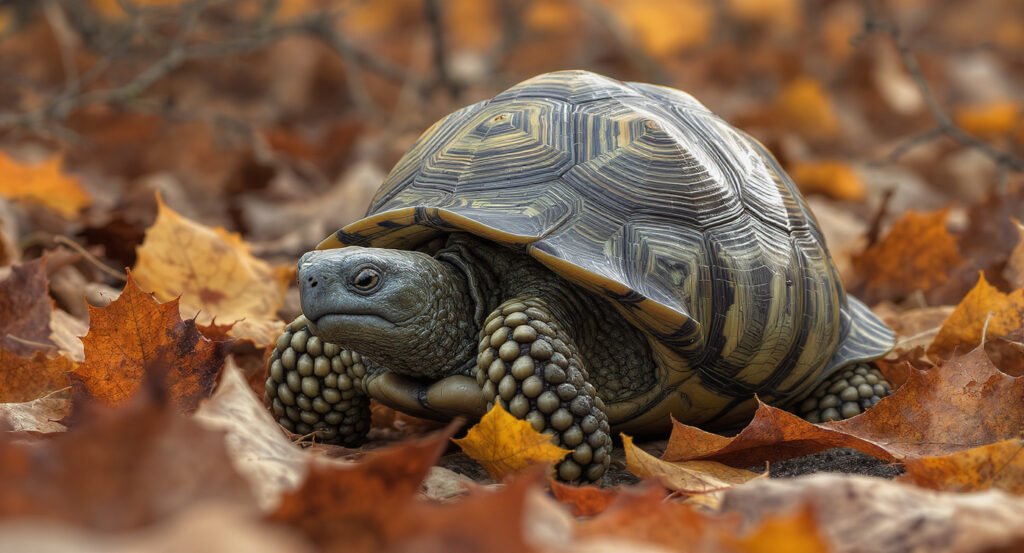
If you’re new to keeping tortoises, the concept of hibernation—properly called brumation in reptiles—can feel intimidating. Watching your beloved pet enter a months-long dormant state requires preparation, knowledge, and careful monitoring. This guide walks you through everything beginners need to know about tortoise hibernation, from which species require it to how to safely manage the process.
What Is Tortoise Hibernation?
Hibernation, or brumation, is a natural survival mechanism that allows tortoises to conserve energy during cold months when food is scarce. In the wild, tortoises from temperate climates burrow underground where temperatures remain stable, their metabolism slows dramatically, and they survive on stored body fat until spring.
Not all tortoises hibernate. The need for brumation depends entirely on the species and their natural habitat. Forcing a tropical species into hibernation can be fatal, while preventing hibernation in species that require it can lead to health problems, breeding difficulties, and shortened lifespans.
Which Tortoise Species Hibernate?
Understanding your tortoise’s natural range is the first step. Here are common pet species and their hibernation requirements:
Worried About Your Reptile's Health?
Upload a photo and get instant AI health analysis. Catch problems before they become expensive vet bills.
Get Free Health Check →Species That Require Hibernation
Russian Tortoises (Testudo horsfieldii): These hardy tortoises from Central Asia are among the most popular pets and absolutely require hibernation. In the wild, they brumate for 3-5 months during harsh winters.
Hermann’s Tortoises (Testudo hermanni): Native to Southern Europe, both Eastern and Western Hermann’s tortoises naturally hibernate for 8-12 weeks. Young hatchlings may skip their first winter, but adults need this dormant period.
Greek/Spur-thighed Tortoises (Testudo graeca): Most subspecies hibernate, though the duration varies by origin. Tortoises from colder regions brumate longer than those from Mediterranean climates.
Marginated Tortoises (Testudo marginata): These large Greek natives hibernate similarly to Hermann’s tortoises, typically for 10-12 weeks.
Never Miss Early Warning Signs
AI photo analysis catches subtle health issues humans miss 80% of the time. Early detection = healthier reptile + lower vet bills.
Start Free Trial →Species That Do Not Hibernate
Leopard Tortoises (Stigmochelys pardalis): From African savannas, these tortoises experience year-round warmth and should never be hibernated.
Sulcata Tortoises (Centrochelys sulcata): Also called African spurred tortoises, these desert dwellers may aestivate (summer dormancy) during extreme heat but don’t hibernate.
Red-footed and Yellow-footed Tortoises: Tropical South American species that remain active throughout the year.
If you’re uncertain about your tortoise’s species or origin, consult a reptile veterinarian before attempting hibernation.
Join thousands of successful reptile owners
Try ReptileCoach Free →Pre-Hibernation Health Assessment
A sick or underweight tortoise should never be hibernated. Schedule a veterinary checkup 4-6 weeks before your planned hibernation date. Your vet will check for respiratory infections, parasites, and overall condition.
Key health indicators include:
- Clear eyes and nose with no discharge
- Healthy weight with visible fat reserves
- No visible injuries or shell rot
- Active and alert behavior
- Normal, regular bowel movements
Young tortoises (under 2-3 years old depending on species) and gravid females require special consideration. Many keepers wait until a tortoise reaches a certain weight threshold before allowing full hibernation.
The Preparation Process
Timing
In the Northern Hemisphere, hibernation typically occurs between November and March. The exact timing should mimic your tortoise’s natural range. Most species hibernate for 8-12 weeks, though this varies.
"This app saved my bearded dragon's life. The AI caught early MBD in photos I thought looked completely normal. Worth every penny!"
— Sarah K., ReptileCoach User
Get Your Free 7-Day Trial →Wind-Down Period (2-3 Weeks)
Gradually reduce temperatures and daylight hours to signal the approaching winter. Begin lowering basking temperatures by 5°F every few days until reaching 50-60°F. Simultaneously reduce light exposure.
Fasting Period (2-4 Weeks)
This critical step prevents food from rotting in your tortoise’s digestive system during dormancy. Stop feeding completely but continue providing water. Offer daily lukewarm soaks (15-20 minutes) to encourage complete evacuation of the bowels.
The tortoise should pass all waste before hibernation begins. The exact fasting duration depends on temperature—warmer temperatures speed digestion, so adjust accordingly.
Hibernation Methods
Refrigerator Method (Recommended for Beginners)
Using a dedicated refrigerator offers precise temperature control, the most important factor in safe hibernation. Set the temperature between 38-45°F (3-7°C), with 40°F being ideal for most species.
Worried About Your Reptile's Health?
Upload a photo and get instant AI health analysis. Catch problems before they become expensive vet bills.
Get Free Health Check →Place your tortoise in a ventilated plastic container with air holes, nested inside newspaper or shredded paper. Some keepers add a hide box for security. Position the container in the refrigerator away from the cooling element.
Basement/Garage Method
If you have a consistently cool space that maintains 40-50°F throughout winter, this natural method works well. Use an insulated box with ventilation, filled with substrate like shredded paper. Monitor temperatures constantly as fluctuations can wake the tortoise prematurely.
Outdoor Hibernation
Advanced keepers in appropriate climates may allow outdoor hibernation in secure, predator-proof hibernation boxes buried partially underground. This method requires significant experience and isn’t recommended for beginners.
Monitoring During Hibernation
Check your tortoise every 2-3 weeks without fully waking them. Look for:
Never Miss Early Warning Signs
AI photo analysis catches subtle health issues humans miss 80% of the time. Early detection = healthier reptile + lower vet bills.
Start Free Trial →- Stable body position
- No visible weight loss or dehydration
- No discharge from eyes or nose
- Consistent temperature in the hibernation space
Weigh your tortoise monthly. A loss of more than 1% body weight per month of hibernation signals a problem. If your tortoise loses excessive weight, shows signs of illness, or becomes active, end hibernation immediately and consult a veterinarian.
Keep detailed records of temperature readings, weight measurements, and any observations. This data helps you refine your approach for future years.
Waking Up: The Spring Emergence
After the predetermined hibernation period (typically 8-12 weeks), gradually warm your tortoise over 2-3 days. Move them to a room-temperature location, then slowly reintroduce their heat lamp.
Offer a lukewarm bath once they’re awake, but don’t be alarmed if they don’t eat immediately. Appetite may take several days to return. Fresh greens should be the first foods offered.
Join thousands of successful reptile owners
Try ReptileCoach Free →Monitor closely during the first two weeks post-hibernation. Weight should stabilize, and normal behaviors should resume. If your tortoise remains lethargic, refuses food for more than a week, or shows respiratory symptoms, seek veterinary care promptly.
Common Mistakes to Avoid
Hibernating tropical species, skipping the fasting period, using unstable temperatures, and failing to monitor regularly are the most dangerous errors. Never hibernate a sick, injured, or underweight tortoise. Don’t attempt hibernation in your first year of tortoise ownership—use that time to learn your pet’s normal behaviors and establish a relationship with a reptile vet.
Track Your Tortoise’s Hibernation Journey
Managing tortoise hibernation requires careful attention to schedules, temperatures, weights, and health checks over several months. Keeping organized records makes the process less stressful and helps you identify patterns year over year. Consider using a specialized tool to track your tortoise hibernation schedule, log weight measurements, set reminders for health checks, and document temperature readings all in one place. Proper tracking gives you confidence that you’re providing the best possible care during this critical period of your tortoise’s annual cycle.
Ready to Give Your Reptile the Best Care?
Stop guessing and start knowing. Get personalized AI-powered care guidance, photo health analysis, and 24/7 expert advice for YOUR specific reptile.
Get Personalized Care Guidance
AI-powered photo analysis and daily care tracking for YOUR reptile
Try Free for 7 Days →