
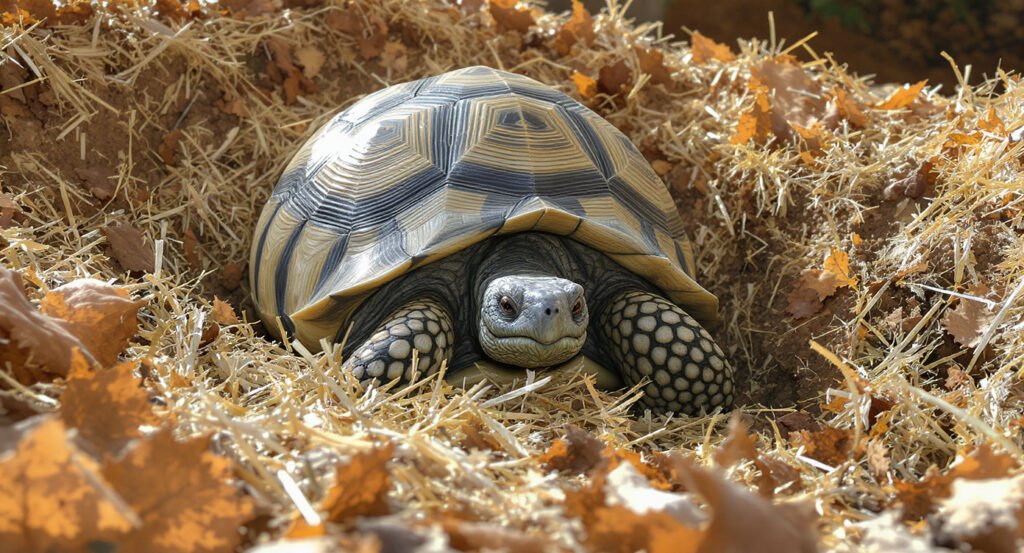
If you’re new to keeping tortoises, understanding hibernation—or brumation as it’s more accurately called—is essential for your pet’s health and longevity. Many tortoise species naturally enter a dormant state during colder months, and providing proper brumation conditions can be the difference between a thriving tortoise and serious health complications.
What Is Tortoise Brumation?
Brumation is the reptile equivalent of hibernation. During this period, tortoises slow their metabolic processes dramatically, conserving energy during times when food is scarce and temperatures drop. Unlike mammals that hibernate, tortoises may occasionally wake to drink water during brumation.
In the wild, tortoises burrow underground or find sheltered spots where temperatures remain stable throughout winter. As a tortoise keeper, you’ll need to replicate these conditions if your species requires brumation.
Do All Tortoises Need to Brumate?
Not every tortoise species requires brumation. Whether your tortoise needs this dormant period depends on its natural habitat:
Worried About Your Reptile's Health?
Upload a photo and get instant AI health analysis. Catch problems before they become expensive vet bills.
Get Free Health Check →Species That Typically Brumate
- Russian Tortoises (Testudo horsfieldii) – Native to Central Asia, these tortoises experience harsh winters and require brumation
- Hermann’s Tortoises – European species adapted to seasonal temperature changes
- Desert Tortoises – North American species that brumate to survive desert winters
- Greek Tortoises – Mediterranean species with natural winter dormancy
Species That Don’t Require Brumation
- Sulcata Tortoises – From sub-Saharan Africa where temperatures remain warm year-round
- Red-footed Tortoises – Tropical South American species
- Leopard Tortoises – African species from warm climates
Research your specific species before attempting brumation. Forcing a tropical tortoise to brumate can be fatal.
When Should Tortoises Brumate?
In their natural habitats, tortoises typically brumate during the coldest months. For Northern Hemisphere species, this usually means November through February or March. The exact timing depends on:
- Your tortoise’s age and health status
- Natural photoperiod changes (decreasing daylight hours)
- Ambient temperature drops
- Your tortoise’s behavior (decreased appetite, increased lethargy)
Young tortoises under 2-3 years old generally shouldn’t brumate, as they need consistent nutrition for proper growth and shell development.
Preparing Your Tortoise for Brumation
Proper preparation is critical for safe brumation. Follow these steps carefully:
Never Miss Early Warning Signs
AI photo analysis catches subtle health issues humans miss 80% of the time. Early detection = healthier reptile + lower vet bills.
Start Free Trial →Step 1: Health Check (6-8 Weeks Before)
Schedule a veterinary exam to ensure your tortoise is healthy enough to brumate. A vet can check for respiratory infections, parasites, and overall body condition. Only healthy tortoises with adequate weight should brumate.
Step 2: Fasting Period (2-3 Weeks Before)
Gradually reduce feeding as temperatures naturally drop. Your tortoise needs to empty its digestive system completely before brumation begins. Food left in the gut during dormancy can rot and cause fatal infections.
During this period, continue offering water and warm baths to encourage elimination.
Step 3: Final Bath
Give your tortoise a final warm bath 24 hours before moving it to its brumation location. This encourages a final bowel movement and ensures proper hydration.
Join thousands of successful reptile owners
Try ReptileCoach Free →Creating the Perfect Brumation Environment
Temperature control is the most critical factor in successful brumation. The ideal range is 40-50°F (4-10°C). Too warm, and your tortoise’s metabolism won’t slow properly, depleting its energy reserves. Too cold risks freezing and death.
Indoor Brumation Setup
Many keepers prefer indoor brumation for better control:
- Use a refrigerator dedicated to your tortoise (not your food fridge)
- Place your tortoise in a sturdy container with air holes
- Add substrate like shredded paper or hay for burrowing
- Monitor temperature daily with a reliable thermometer
- Check on your tortoise weekly for signs of distress
Outdoor Brumation
If you live in an area with appropriate winter temperatures, outdoor brumation in a heated shed or insulated box can work well. Ensure predator protection and monitor for temperature extremes.
Monitoring During Brumation
Check your tortoise weekly throughout brumation. Look for:
"This app saved my bearded dragon's life. The AI caught early MBD in photos I thought looked completely normal. Worth every penny!"
— Sarah K., ReptileCoach User
Get Your Free 7-Day Trial →- Stable weight (minor weight loss is normal, but dramatic loss indicates problems)
- No discharge from eyes, nose, or mouth
- Even breathing without wheezing or clicking sounds
- Appropriate lethargy (not active, but responsive to gentle touch)
If you notice concerning symptoms, warm your tortoise gradually and contact a reptile veterinarian immediately.
Waking Your Tortoise From Brumation
As spring approaches and temperatures naturally rise, gradually increase warmth over several days. Never rush this process:
- Move your tortoise to a room-temperature environment
- After 24 hours, move it to its normal enclosure with heat lamps
- Offer a warm bath to stimulate drinking and elimination
- Provide food after your tortoise shows interest (may take 3-7 days)
- Resume normal feeding schedule gradually
Common Brumation Mistakes to Avoid
Brumating sick tortoises: Always get a health check first. Brumation stresses the body, and illness can become fatal during dormancy.
Incorrect temperatures: Too warm prevents proper brumation; too cold risks hypothermia. Invest in reliable temperature monitoring equipment.
Worried About Your Reptile's Health?
Upload a photo and get instant AI health analysis. Catch problems before they become expensive vet bills.
Get Free Health Check →Incomplete fasting: Rushing the preparation period can leave food in the gut, leading to bacterial infections.
Forgetting hydration: Even during brumation, tortoises may wake to drink. Check weekly and offer water if your tortoise is active.
Alternatives to Full Brumation
Some keepers practice “cooling” rather than full brumation—maintaining slightly lower temperatures (60-65°F) without complete dormancy. This can work for species with less dramatic seasonal changes in their natural habitats. Consult with an experienced reptile veterinarian about what’s appropriate for your tortoise.
Take Your Tortoise Care to the Next Level
Brumation is just one aspect of providing excellent tortoise care. From nutrition and habitat setup to health monitoring and behavior understanding, there’s always more to learn about these remarkable reptiles.
Never Miss Early Warning Signs
AI photo analysis catches subtle health issues humans miss 80% of the time. Early detection = healthier reptile + lower vet bills.
Start Free Trial →Whether you’re a brand new tortoise keeper or looking to refine your husbandry practices, having expert guidance at your fingertips makes all the difference. Get personalized tortoise care advice and connect with reptile experts through the Reptile Coach app—your complete resource for raising healthy, happy tortoises.
Ready to Give Your Reptile the Best Care?
Stop guessing and start knowing. Get personalized AI-powered care guidance, photo health analysis, and 24/7 expert advice for YOUR specific reptile.
Get Personalized Care Guidance
AI-powered photo analysis and daily care tracking for YOUR reptile
Try Free for 7 Days →