
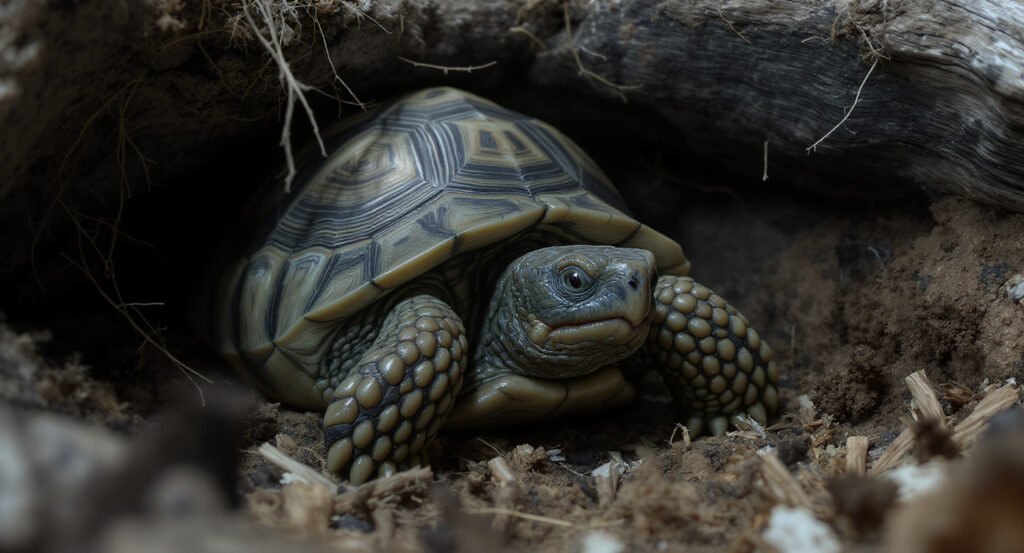
If you’re new to tortoise care, the concept of hibernation (properly called brumation in reptiles) might seem daunting. But with the right knowledge and preparation, you can safely guide your shelled companion through this natural process. This comprehensive guide breaks down everything you need to know about tortoise brumation.
What Is Tortoise Brumation?
Brumation is the reptilian equivalent of hibernation—a period of dormancy that helps tortoises survive cold winters in their natural habitats. Unlike true hibernation in mammals, tortoises may occasionally wake to drink water during brumation. This natural cycle is essential for the health and longevity of many tortoise species.
Which Tortoise Species Need Hibernation?
Not all tortoises require brumation. Whether your tortoise needs to hibernate depends primarily on its species and natural habitat:
Species That Require Hibernation:
- Russian Tortoises (Horsfield’s) – Native to cold climates, they absolutely need brumation
- Hermann’s Tortoises – Both Eastern and Western varieties require hibernation
- Marginated Tortoises – Mediterranean species that brumate naturally
- Greek Tortoises (Spur-thighed) – Most subspecies require a cooling period
- Desert Tortoises – Native North American species that brumate in burrows
Species That Don’t Hibernate:
- Sulcata Tortoises – Tropical species from Africa
- Leopard Tortoises – Require warm temperatures year-round
- Red-footed Tortoises – Rainforest species that don’t brumate
- Indian Star Tortoises – Tropical species needing consistent warmth
Always research your specific tortoise species, as improper hibernation can be fatal for tropical species.
Worried About Your Reptile's Health?
Upload a photo and get instant AI health analysis. Catch problems before they become expensive vet bills.
Get Free Health Check →Pre-Hibernation Health Checks
Before allowing your tortoise to hibernate, a thorough health assessment is critical. Only healthy tortoises should brumate—sick or underweight individuals may not survive.
Essential Health Checklist:
- Weight assessment – Your tortoise should be at optimal weight with no recent weight loss
- Clear eyes and nose – No discharge, bubbles, or signs of respiratory infection
- Shell condition – No soft spots, pyramiding progression, or shell rot
- Activity level – Normal appetite and behavior in weeks leading up to brumation
- Fecal exam – Consider a vet check for parasites, especially if new to hibernation
- Age consideration – Tortoises under 2-3 years old generally shouldn’t hibernate their first year
Pro tip: Schedule a veterinary check-up 4-6 weeks before planned hibernation to address any health concerns.
Preparing Your Tortoise for Brumation
Proper preparation is the key to safe hibernation. This process typically begins in autumn (September-October in the Northern Hemisphere).
The Preparation Timeline:
6-8 weeks before:
Never Miss Early Warning Signs
AI photo analysis catches subtle health issues humans miss 80% of the time. Early detection = healthier reptile + lower vet bills.
Start Free Trial →- Ensure your tortoise is eating well and gaining appropriate weight
- Maintain regular feeding schedule with nutrient-rich foods
- Monitor for any signs of illness
2-3 weeks before:
- Gradually reduce feeding frequency
- Begin lowering ambient temperatures slowly (drop by 2-3°F every few days)
- Provide daily soaking opportunities to encourage hydration
Final 2 weeks:
- Stop feeding completely—this allows complete gut clearance
- Continue daily warm water soaks (15-20 minutes)
- Further reduce temperatures to transition range (50-60°F)
- Your tortoise’s activity will naturally decrease
Why gut clearance matters: Any food remaining in the digestive system can rot during brumation, causing fatal infections. This fasting period is non-negotiable.
Setting Up the Hibernation Container
A proper hibernation setup maintains stable, cool temperatures while providing safety and ventilation.
Join thousands of successful reptile owners
Try ReptileCoach Free →Container Requirements:
- Size: Large enough for your tortoise to turn around comfortably
- Material: Rigid plastic storage containers or wooden boxes work well
- Ventilation: Drill small air holes in the lid and sides
- Insulation: Place container in a larger box with insulation between them
Substrate Layering:
- Bottom layer: 2-3 inches of slightly damp soil or coconut coir
- Middle layer: Place tortoise on substrate
- Top layer: Loosely cover with shredded paper, hay, or more substrate
- Final cover: Place breathable material (burlap or newspaper) over substrate
The substrate should be just damp enough to prevent dehydration but not wet enough to promote mold growth.
Ideal Temperature Range: 40-50°F (4-10°C)
Temperature control is the most critical aspect of safe brumation.
Temperature Guidelines:
- Optimal range: 40-50°F (4-10°C)
- Acceptable range: 37-55°F, with 40-50°F being ideal
- Danger zones: Below 37°F (risk of freezing) or above 55°F (metabolism too active)
Best Hibernation Locations:
- Unheated garage (monitor carefully)
- Basement or cellar
- Dedicated refrigerator (most stable option)
- Insulated shed with temperature monitoring
Essential equipment: Use a reliable digital thermometer with min/max memory to track temperature fluctuations. Check daily.
Monitoring During Hibernation
Even while your tortoise is dormant, regular monitoring ensures safety.
"This app saved my bearded dragon's life. The AI caught early MBD in photos I thought looked completely normal. Worth every penny!"
— Sarah K., ReptileCoach User
Get Your Free 7-Day Trial →Weekly Monitoring Checklist:
- Temperature: Verify it remains in the 40-50°F range
- Weight: Weigh monthly—expect 0.5-1% body weight loss per month
- Visual inspection: Check for signs of waking, injury, or distress
- Substrate condition: Ensure it remains slightly damp, not wet or completely dry
- Breathing: Occasional check that your tortoise is breathing (very slowly)
When to wake early: If your tortoise loses more than 10% body weight, shows signs of illness, or temperatures become unstable, end hibernation immediately.
Typical Hibernation Duration:
- First-time hibernators: 6-8 weeks
- Experienced adults: 12-16 weeks
- Maximum safe duration: 20 weeks
The Waking Up Process
Bringing your tortoise out of brumation requires the same gradual approach as entering it.
Step-by-Step Wake-Up Protocol:
- Days 1-3: Move container to a warmer location (55-60°F)
- Days 4-7: Gradually increase temperature to normal range (70-75°F)
- Day 7: Remove tortoise from hibernation container
- First warm soak: Give a 20-30 minute lukewarm bath to rehydrate
- Continue soaking: Daily warm baths for the first week
Post-Hibernation Care
The weeks following hibernation are critical for recovery.
First Week After Waking:
- Hydration priority: Daily soaking sessions
- Gradual feeding: Offer small amounts of easily digestible foods (leafy greens)
- Observation: Monitor closely for normal bowel movements
- Activity level: Your tortoise may be sluggish for 3-5 days
Warning Signs:
Contact a reptile veterinarian if you notice:
Worried About Your Reptile's Health?
Upload a photo and get instant AI health analysis. Catch problems before they become expensive vet bills.
Get Free Health Check →- Refusal to eat after 7-10 days
- Continued lethargy beyond the first week
- Discharge from eyes, nose, or mouth
- Significant weight loss that doesn’t recover
- No bowel movement within 2 weeks of waking
Get Personalized Guidance for Your Tortoise
Every tortoise is unique, and hibernation requirements can vary based on species, age, health status, and individual circumstances. While this guide provides essential information, having a personalized care plan tailored to your specific tortoise can make all the difference.
Ready to take the guesswork out of tortoise care? Visit Reptile Coach’s personalized care planner to get custom feeding schedules, hibernation protocols, and expert guidance specific to your tortoise’s needs. Our tool helps you track weight, monitor health metrics, and receive timely reminders for every stage of brumation.
Final Thoughts
Tortoise hibernation doesn’t have to be intimidating. With proper preparation, careful monitoring, and attention to temperature control, you can safely guide your tortoise through brumation year after year. Remember that the key elements are gradual transitions, complete gut clearance, stable cool temperatures in the 40-50°F range, and consistent monitoring.
As you gain experience, you’ll become more confident in reading your tortoise’s signals and managing the hibernation process. When in doubt, always consult with a reptile veterinarian—especially for your first hibernation season. Your tortoise’s health and safety should always come first.
Never Miss Early Warning Signs
AI photo analysis catches subtle health issues humans miss 80% of the time. Early detection = healthier reptile + lower vet bills.
Start Free Trial →Have you hibernated your tortoise before? Each season brings new learning experiences, and with the right approach, your tortoise will emerge healthy and ready for another active year ahead.
Ready to Give Your Reptile the Best Care?
Stop guessing and start knowing. Get personalized AI-powered care guidance, photo health analysis, and 24/7 expert advice for YOUR specific reptile.
Get Personalized Care Guidance
AI-powered photo analysis and daily care tracking for YOUR reptile
Try Free for 7 Days →