
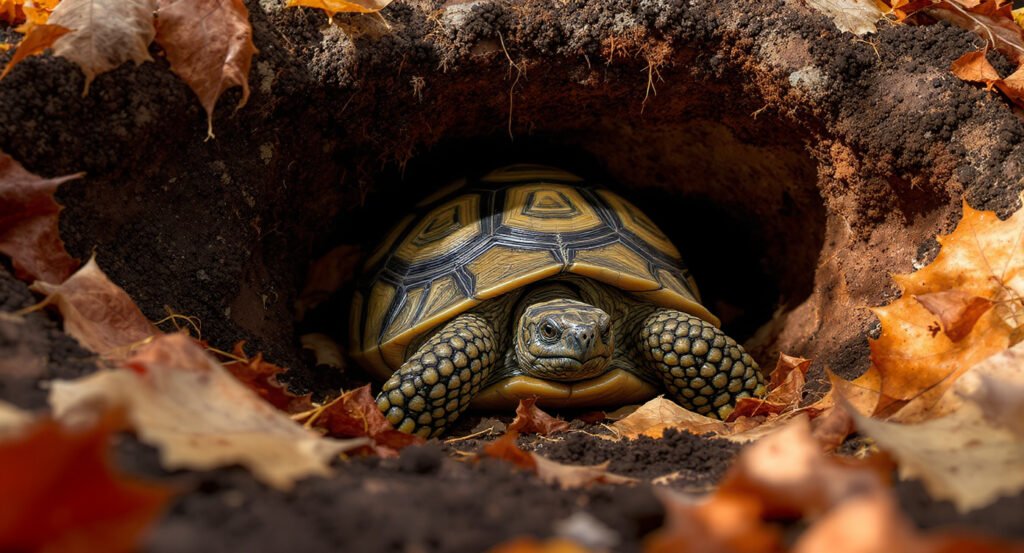
Tortoise hibernation, scientifically known as brumation, is a natural process that many tortoise species undergo during colder months. Understanding how to properly manage this dormant period is crucial for your tortoise’s health and longevity. Whether you’re a first-time tortoise owner or an experienced keeper, this comprehensive guide will help you navigate the hibernation process safely.
What Is Tortoise Hibernation?
Hibernation in tortoises is a period of dormancy triggered by decreasing temperatures and shorter daylight hours. During this time, their metabolic rate slows dramatically, reducing their need for food and water. In the wild, this adaptive behavior helps tortoises survive harsh winter conditions when food sources are scarce.
Not all tortoise species hibernate. Mediterranean species like Hermann’s tortoises, Russian tortoises, and Greek tortoises naturally brumate, while tropical species such as red-footed tortoises and leopard tortoises do not require hibernation and should be kept warm year-round.
Do You Need to Hibernate Your Tortoise?
The decision to hibernate your tortoise depends on several factors. Species requirements are paramount—only hibernate tortoises whose wild counterparts naturally undergo this process. Additionally, your tortoise must be healthy, mature enough (typically over two years old for smaller species), and at an appropriate weight before entering hibernation.
Worried About Your Reptile's Health?
Upload a photo and get instant AI health analysis. Catch problems before they become expensive vet bills.
Get Free Health Check →Hibernation offers several benefits including improved breeding success, natural hormone regulation, and prevention of pyramiding in growing tortoises. However, sick, underweight, or very young tortoises should never be hibernated as they lack sufficient energy reserves to survive the dormant period.
Pre-Hibernation Health Check
Before allowing your tortoise to hibernate, conduct a thorough health assessment. Schedule a veterinary examination to check for respiratory infections, parasites, or other health concerns. A healthy tortoise should have clear eyes and nostrils, normal breathing without wheezing, good muscle tone and weight, and no signs of injury or shell damage.
The Jackson Ratio is a useful tool for assessing whether your tortoise has adequate weight for safe hibernation. This measurement compares your tortoise’s weight to its length, providing a reliable indicator of body condition.
The Fasting Period
Proper preparation is essential for safe tortoise hibernation. Begin the fasting period approximately two to four weeks before hibernation, depending on your tortoise’s size. During this time, continue offering water but gradually reduce food intake. The goal is to ensure your tortoise’s digestive system is completely empty before dormancy begins, as undigested food can rot internally during hibernation, causing fatal complications.
Never Miss Early Warning Signs
AI photo analysis catches subtle health issues humans miss 80% of the time. Early detection = healthier reptile + lower vet bills.
Start Free Trial →Provide daily lukewarm baths during the fasting period to encourage defecation and maintain hydration. The water should be shallow enough for your tortoise to keep its head above water comfortably.
Hibernation Methods
Refrigerator Method
The refrigerator method is considered the safest approach for controlled hibernation. This method allows precise temperature control and protection from predators and temperature fluctuations. Place your tortoise in a secure, ventilated hibernation box with substrate like shredded paper or leaves. Maintain temperatures between 39°F and 50°F (4-10°C), with 41-46°F (5-8°C) being ideal.
Outdoor Method
Some experienced keepers hibernate tortoises outdoors in insulated boxes or sheds. This method requires careful monitoring and is only suitable in climates with stable, appropriate temperatures. The risk of temperature fluctuations and predator access makes this method less controlled than refrigeration.
Box Method Indoors
For moderate climates, hibernating your tortoise in a cool garage, shed, or cellar can work if temperatures remain stable. Use an insulated hibernation box and monitor temperatures closely with multiple thermometers.
Join thousands of successful reptile owners
Try ReptileCoach Free →During Hibernation Care
Even during dormancy, your tortoise requires monitoring. Weigh your tortoise monthly—weight loss should not exceed 1% of body weight per month of hibernation. Check for signs of activity, wetness, or unusual odors that might indicate problems. Maintain consistent temperatures within the safe range and ensure adequate ventilation to prevent condensation and mold growth.
Most tortoises hibernate for 8-12 weeks, though duration varies by species, age, and health status. Larger, older tortoises can typically hibernate longer than younger ones.
Waking Your Tortoise
The awakening process should be gradual. Move your tortoise to a warmer area (around 50-60°F or 10-15°C) and allow natural warming over several hours. Once your tortoise shows signs of activity, provide a warm bath to encourage hydration and urination. Gradually increase temperatures to normal levels over several days.
Offer fresh water immediately but wait 1-2 days before offering food. Start with easily digestible foods like leafy greens and gradually return to their normal diet. Some tortoises take several weeks to regain full appetite and activity levels after hibernation.
"This app saved my bearded dragon's life. The AI caught early MBD in photos I thought looked completely normal. Worth every penny!"
— Sarah K., ReptileCoach User
Get Your Free 7-Day Trial →Common Hibernation Problems
Several issues can arise during tortoise hibernation. Early awakening may indicate temperatures are too warm or health problems. If your tortoise wakes mid-hibernation, check temperatures and health status before deciding whether to continue or end hibernation early. Weight loss exceeding 1% per month suggests the tortoise is using energy reserves too quickly and should be awakened.
Respiratory infections can develop if conditions are too humid or temperatures fluctuate. Bubbling from nostrils, wheezing, or open-mouth breathing requires immediate veterinary attention. Always consult a reptile veterinarian if you notice any concerning symptoms.
Track Your Tortoise’s Health Year-Round
Successful hibernation requires meticulous record-keeping and monitoring throughout the year. The ReptileCoach App helps you track your tortoise’s weight changes, feeding schedules, and health observations—essential data for making informed hibernation decisions. With features designed specifically for reptile care, you can set reminders for pre-hibernation health checks, log weekly weight measurements during dormancy, and document your tortoise’s post-hibernation recovery. Download the ReptileCoach App today to give your tortoise the best care possible during hibernation season and beyond.
Alternatives to Full Hibernation
If your tortoise is not healthy enough for full hibernation or you’re uncomfortable with the process, consider a “cooling down” period instead. This involves reducing temperatures slightly (to around 60-65°F or 15-18°C) and providing less food while maintaining normal lighting and husbandry. This approach offers some benefits of seasonal cycling without the risks of full hibernation.
Worried About Your Reptile's Health?
Upload a photo and get instant AI health analysis. Catch problems before they become expensive vet bills.
Get Free Health Check →Conclusion
Tortoise hibernation is a natural process that, when managed correctly, contributes to your pet’s overall health and longevity. Success requires proper preparation, appropriate species selection, thorough health assessments, and careful monitoring throughout the dormancy period. By following these guidelines and consulting with reptile veterinarians when needed, you can safely hibernate your tortoise and help them thrive for decades to come.
Ready to Give Your Reptile the Best Care?
Stop guessing and start knowing. Get personalized AI-powered care guidance, photo health analysis, and 24/7 expert advice for YOUR specific reptile.
Get Personalized Care Guidance
AI-powered photo analysis and daily care tracking for YOUR reptile
Try Free for 7 Days →