
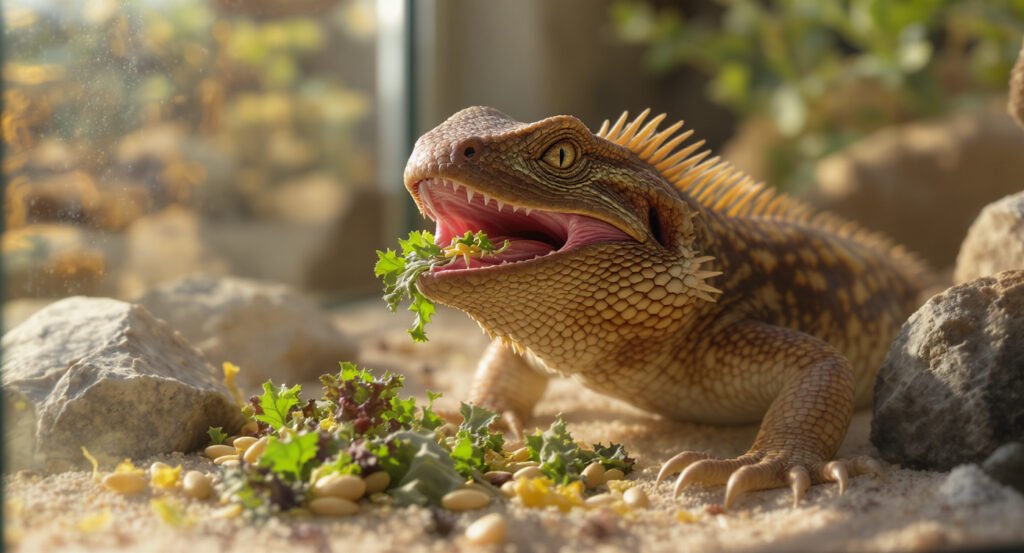
Uromastyx lizards, also known as spiny-tailed lizards or “uro” for short, are fascinating herbivorous reptiles native to the arid regions of Africa, the Middle East, and South Asia. Unlike many other popular pet lizards, Uromastyx thrive almost entirely on a plant-based diet, making their nutritional needs unique and specific. Whether you’re a new Uromastyx owner or looking to optimize your lizard’s health, this comprehensive Uromastyx diet and feeding guide will walk you through everything you need to know about what, when, and how to feed your pet.
Understanding the Natural Diet of Uromastyx
In the wild, Uromastyx are primarily herbivores that forage for seeds, flowers, leaves, and grasses in desert and semi-arid environments. Their digestive systems are specially adapted to extract nutrients and moisture from dry plant material. This means their captive diet should mirror their natural food sources as closely as possible. A well-balanced diet is critical for preventing metabolic bone disease, organ failure, and other common health issues associated with poor nutrition.
One key distinction with Uromastyx is that they obtain most of their hydration from the foods they eat rather than from a standing water bowl. This is why leafy greens and moisture-rich vegetables play such an important role in their daily feeding routine.
Worried About Your Reptile's Health?
Upload a photo and get instant AI health analysis. Catch problems before they become expensive vet bills.
Get Free Health Check →What to Feed Your Uromastyx: The Best Foods
Leafy Greens (The Foundation of Their Diet)
Leafy greens should make up the bulk of your Uromastyx’s diet — approximately 60 to 70 percent. The best options are nutrient-dense, low in oxalates, and easy to digest. Top choices include:
- Collard greens – High in calcium and vitamins, an excellent staple
- Dandelion greens – Nutritious and often enjoyed by most Uros
- Mustard greens – Great source of vitamins A, C, and K
- Turnip greens – A solid calcium-to-phosphorus ratio
- Endive and escarole – Hydrating and well-tolerated
- Arugula – Palatable and mildly nutritious
- Spring mix – Useful as an occasional variety booster
Vegetables
Vegetables can be offered alongside leafy greens to add variety and additional nutrients. Suitable vegetables include:
- Butternut squash and acorn squash
- Bell peppers (all colors)
- Shredded carrots (in moderation)
- Green beans
- Snap peas
- Zucchini and yellow squash
Seeds and Legumes (Protein and Energy Sources)
Seeds and legumes are particularly important for Uromastyx, as they serve as a primary protein source in the wild. These should make up around 10 to 20 percent of the total diet and can be offered dry or slightly moistened:
- Lentils – A favorite among many Uros; offer dry or slightly sprouted
- Millet – Highly palatable and energy-rich
- Quinoa – Nutritious when offered dry or rinsed
- Dried split peas – Good protein content
- Grass seeds – Close to their natural wild diet
Flowers and Herbs
Edible flowers and herbs are excellent additions that provide enrichment and additional nutrients:
Never Miss Early Warning Signs
AI photo analysis catches subtle health issues humans miss 80% of the time. Early detection = healthier reptile + lower vet bills.
Start Free Trial →- Hibiscus flowers
- Rose petals (pesticide-free)
- Clover flowers and leaves
- Basil and cilantro
- Mint (in small amounts)
Foods to Avoid Feeding Your Uromastyx
Feeding the wrong foods can cause serious health complications for your Uromastyx. Avoid the following:
- Animal protein – Insects, meat, and eggs are unnecessary and potentially harmful for adult Uros
- Spinach and beet greens – High in oxalates, which bind to calcium and can cause deficiencies
- Kale and broccoli – Goitrogenic foods that interfere with thyroid function when fed in excess
- Iceberg lettuce – Poor nutritional value and high water content
- Fruit – Too high in sugar; only offer as a very rare treat if at all
- Avocado – Toxic to reptiles
- Onions and garlic – Harmful to reptiles
- Wild-caught plants – May contain pesticides or parasites
How Often Should You Feed Your Uromastyx?
Juveniles (under 12 months) should be fed daily, as they require more nutrients to support rapid growth. Adult Uromastyx can be fed five to seven days per week. Fresh food should always be offered during the warmest part of the day — typically mid-morning — when the lizard’s body temperature is high enough to aid digestion. Any uneaten food should be removed after a few hours to prevent bacterial growth and spoilage inside the enclosure.
Supplementation: Calcium and Vitamins
Even with a well-rounded diet, Uromastyx may need supplemental calcium and vitamins to prevent deficiencies. Here are general supplementation guidelines:
- Calcium powder (without D3) – Dust food lightly 3 to 4 times per week
- Calcium with D3 – Use 1 to 2 times per month, especially if UVB lighting is insufficient
- Reptile multivitamin – Offer once every 1 to 2 weeks to cover micronutrient gaps
Always prioritize high-quality UVB lighting in your Uromastyx enclosure, as it enables natural vitamin D3 synthesis and reduces the need for heavy supplementation.
Join thousands of successful reptile owners
Try ReptileCoach Free →Hydration: Do Uromastyx Need Water?
This is one of the most frequently debated topics among Uromastyx keepers. In the wild, these lizards rarely encounter standing water and derive moisture almost entirely from their food. Most experienced keepers do
Ready to Give Your Reptile the Best Care?
Stop guessing and start knowing. Get personalized AI-powered care guidance, photo health analysis, and 24/7 expert advice for YOUR specific reptile.
Get Personalized Care Guidance
AI-powered photo analysis and daily care tracking for YOUR reptile
Try Free for 7 Days →