
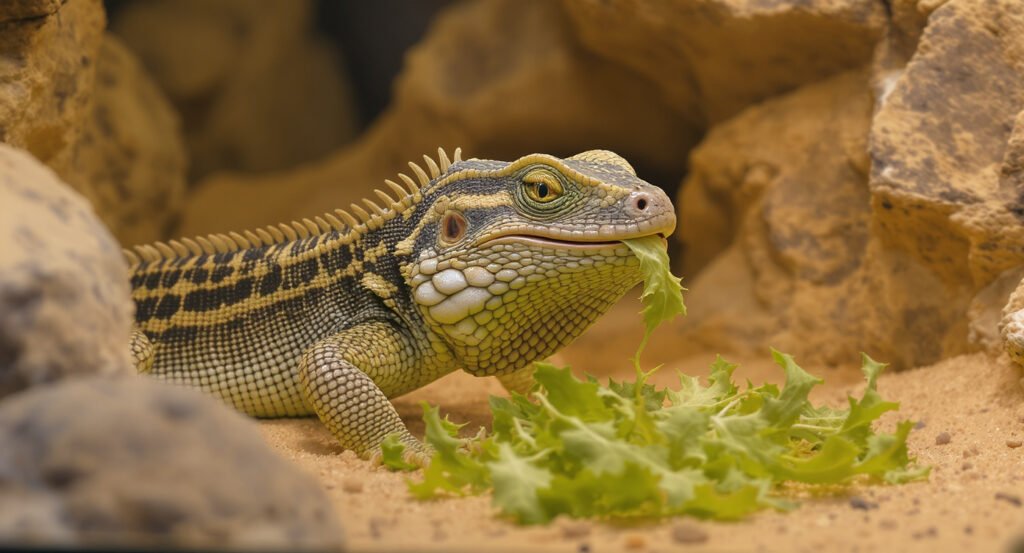
Uromastyx lizards, often called spiny-tailed lizards, are fascinating herbivorous reptiles that require a specialized diet to thrive in captivity. Understanding their unique nutritional needs is essential for keeping these desert dwellers healthy and active. This comprehensive guide will help you provide the optimal diet for your uromastyx, ensuring they receive all the nutrients necessary for a long, healthy life.
Understanding Uromastyx Nutritional Requirements
Unlike many other popular pet lizards, uromastyx are primarily herbivorous, with their diet consisting almost entirely of plant matter. In the wild, these lizards inhabit arid regions of Africa, the Middle East, and parts of Asia, where they feed on desert vegetation, seeds, and occasionally insects. Their digestive system has evolved specifically to process high-fiber, plant-based foods, making protein-rich diets potentially harmful to their health.
The key to a proper uromastyx diet lies in providing a variety of leafy greens, vegetables, seeds, and flowers while avoiding foods high in oxalates, goitrogens, or animal protein. A well-balanced diet will support proper growth, bone development, and immune function while preventing common health issues like metabolic bone disease and obesity.
Best Foods for Your Uromastyx
Staple Leafy Greens
Leafy greens should form the foundation of your uromastyx’s diet, comprising approximately 70-80% of their daily food intake. The best options include:
Worried About Your Reptile's Health?
Upload a photo and get instant AI health analysis. Catch problems before they become expensive vet bills.
Get Free Health Check →- Dandelion greens (leaves and flowers)
- Endive and escarole
- Mustard greens
- Turnip greens
- Collard greens
- Arugula
- Watercress
- Chicory
These greens are rich in calcium, vitamins, and minerals while being low in problematic compounds. Rotate between different greens daily to provide nutritional variety and prevent boredom.
Vegetables and Squashes
Vegetables should make up about 10-20% of the diet. Excellent choices include:
- Butternut squash
- Acorn squash
- Yellow squash
- Bell peppers (red, yellow, orange)
- Okra
- Green beans
- Lentils (cooked and cooled)
- Peas
Shred or chop vegetables into appropriately sized pieces that your uromastyx can easily consume. Offer a mix of colors to ensure a diverse nutrient profile.
Seeds and Flowers
Seeds and edible flowers add nutritional diversity and enrichment to your uromastyx’s diet. Offer these 2-3 times per week:
Never Miss Early Warning Signs
AI photo analysis catches subtle health issues humans miss 80% of the time. Early detection = healthier reptile + lower vet bills.
Start Free Trial →- Millet
- Lentils (dried)
- Hibiscus flowers
- Rose petals
- Pumpkin seeds (occasionally)
- Sunflower seeds (sparingly, as treats)
Foods to Avoid
Certain foods can be harmful to uromastyx and should be avoided or severely limited:
- Spinach, kale, and Swiss chard (high in oxalates)
- Broccoli and cabbage (goitrogens that interfere with thyroid function)
- Iceberg lettuce (nutritionally deficient)
- Insects and animal protein (except for juveniles, who may need occasional insects)
- Citrus fruits (too acidic)
- Avocado (toxic to reptiles)
Feeding Schedule and Portion Sizes
Adult uromastyx should be fed daily, with meals offered in the morning after they’ve had time to bask and raise their body temperature. Juveniles may need feeding twice daily to support their rapid growth. Provide an amount of food roughly the size of your lizard’s body (excluding the tail), and remove any uneaten food after 24 hours to prevent spoilage.
During breeding season or winter months, some uromastyx may naturally reduce their food intake or enter a period of reduced activity called brumation. This is normal behavior, but monitor their weight and overall health closely.
Supplementation and Hydration
Calcium and Vitamin Supplementation
Even with a varied diet, uromastyx benefit from calcium supplementation. Dust their food with calcium powder (without vitamin D3) 3-4 times per week. Once weekly, use a reptile multivitamin to ensure they receive adequate vitamin A, vitamin D3, and other essential nutrients. Try ReptileCoach for personalized reptile care advice tailored to your specific uromastyx species and age.
Join thousands of successful reptile owners
Try ReptileCoach Free →Hydration Needs
Uromastyx obtain most of their hydration from their food, but providing a shallow water dish is recommended. Change the water daily and ensure it’s clean. Some keepers also lightly mist vegetables before feeding to increase moisture content. Proper hydration supports kidney function and aids in digestion.
Common Diet-Related Health Issues
Improper diet is the leading cause of health problems in captive uromastyx. Watch for signs of nutritional deficiencies or imbalances, including lethargy, soft or deformed bones, weight loss, or lack of appetite. Metabolic bone disease results from insufficient calcium or improper calcium-to-phosphorus ratios, while obesity can occur from overfeeding high-fat seeds.
Regular veterinary check-ups with a reptile-specialized veterinarian can help catch and address dietary issues early. Maintaining proper temperatures in your uromastyx’s enclosure is equally important, as these lizards need adequate heat to properly digest their food.
Start Optimizing Your Uromastyx Care Today
Providing the proper diet is one of the most important aspects of uromastyx care, but it’s just one piece of the puzzle. Temperature requirements, habitat setup, and behavioral enrichment all play crucial roles in your lizard’s wellbeing. Whether you’re a new uromastyx owner or looking to improve your care routine, having access to expert guidance makes all the difference. The ReptileCoach app provides personalized care recommendations, feeding schedules, and health tracking tools designed specifically for reptile keepers. Take your uromastyx care to the next level with science-backed advice available right at your fingertips.
"This app saved my bearded dragon's life. The AI caught early MBD in photos I thought looked completely normal. Worth every penny!"
— Sarah K., ReptileCoach User
Get Your Free 7-Day Trial →Ready to Give Your Reptile the Best Care?
Stop guessing and start knowing. Get personalized AI-powered care guidance, photo health analysis, and 24/7 expert advice for YOUR specific reptile.
Get Personalized Care Guidance
AI-powered photo analysis and daily care tracking for YOUR reptile
Try Free for 7 Days →