
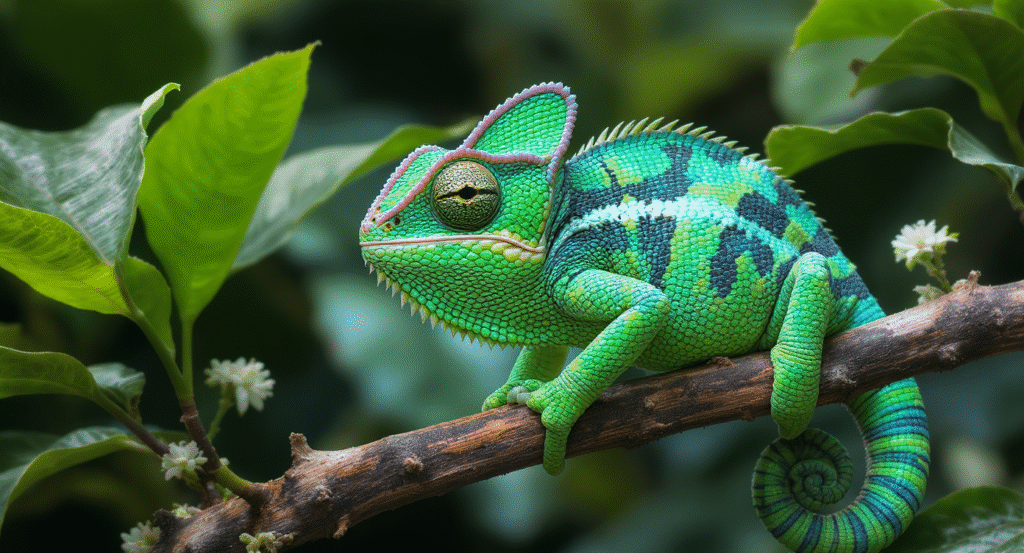
Veiled chameleons (Chamaeleo calyptratus) are among the most popular pet reptiles, known for their vibrant colors, distinctive casque, and independently moving eyes. These fascinating creatures from Yemen and Saudi Arabia make rewarding pets for dedicated keepers, but they require specific care to thrive in captivity. This comprehensive guide will walk you through everything you need to create the perfect environment for your veiled chameleon.
Essential Housing Setup for Veiled Chameleons
Proper housing is the foundation of successful veiled chameleon care. Unlike many reptiles, chameleons require vertical screen enclosures rather than glass terrariums to ensure adequate ventilation and prevent respiratory infections.
Enclosure Size and Type
Adult veiled chameleons need spacious vertical enclosures to accommodate their arboreal lifestyle. A minimum size of 24″ x 24″ x 48″ is recommended for adult males, while females can thrive in slightly smaller setups. Young chameleons can start in smaller enclosures (16″ x 16″ x 30″) to make feeding easier, but they’ll quickly outgrow these as they mature.
Screen enclosures are essential because they provide excellent airflow, preventing the stagnant air that can lead to respiratory issues. Aluminum or PVC-coated screen cages work best, as they’re durable and easy to clean.
Worried About Your Reptile's Health?
Upload a photo and get instant AI health analysis. Catch problems before they become expensive vet bills.
Get Free Health Check →Interior Setup and Enrichment
Fill your chameleon’s enclosure with plenty of horizontal and diagonal branches at varying heights. Use natural branches like manzanita, grape wood, or ficus branches that are sturdy enough to support your chameleon’s weight. Include live plants such as pothos, umbrella plants, or hibiscus to provide hiding spots, increase humidity, and create a naturalistic environment. Avoid substrate on the bottom—bare floors or simple paper towels are safest and prevent impaction.
Temperature and Humidity Requirements
Maintaining proper temperature gradients and humidity levels is critical for your veiled chameleon’s health, digestion, and overall well-being.
Temperature Zones
Create a thermal gradient with a basking spot of 85-95°F for adults (slightly cooler at 80-85°F for juveniles) at the top of the enclosure. The ambient temperature should remain between 72-80°F throughout the day, dropping to 65-75°F at night. Use a basking bulb positioned outside the screen top, about 6-8 inches from the highest basking branch. Always monitor temperatures with reliable digital thermometers placed at different heights.
Humidity Levels
Veiled chameleons need humidity levels between 50-70%, with higher levels during morning and evening misting sessions. Achieve this through automated misting systems that spray 2-3 times daily for 2-3 minutes each session, or manual misting with a spray bottle. A drainage system is essential to prevent standing water and bacterial growth. Live plants help maintain humidity naturally while also absorbing excess water.
Never Miss Early Warning Signs
AI photo analysis catches subtle health issues humans miss 80% of the time. Early detection = healthier reptile + lower vet bills.
Start Free Trial →Lighting Requirements for Optimal Health
Proper lighting is non-negotiable for veiled chameleons and directly impacts their calcium metabolism and overall health.
UVB Lighting
Provide a high-quality UVB bulb (5.0 or 10.0 linear fluorescent or T5 HO) positioned 6-12 inches from basking spots. UVB exposure enables vitamin D3 synthesis, which is crucial for calcium absorption and preventing metabolic bone disease. Replace UVB bulbs every 6-12 months, as their UV output diminishes even when they still produce visible light. Run UVB lights for 12 hours daily to mimic natural day/night cycles.
Basking Light
Use a separate incandescent basking bulb (60-100 watts depending on ambient room temperature) to create the warm basking zone. This light should run on the same 12-hour schedule as your UVB. Never use heat rocks or heat mats, as chameleons thermoregulate by basking and these can cause burns.
Diet and Nutrition
Veiled chameleons are primarily insectivorous, but they also consume plant matter—a unique trait among chameleon species.
Join thousands of successful reptile owners
Try ReptileCoach Free →Feeder Insects
Offer a variety of appropriately sized insects (no larger than the space between your chameleon’s eyes). Excellent options include crickets, dubia roaches, hornworms, silkworms, and black soldier fly larvae. Variety prevents nutritional deficiencies and keeps your chameleon interested in eating. Gut-load all feeder insects with nutritious vegetables and commercial gut-load products 24 hours before feeding.
Supplementation Schedule
Dust insects with calcium without D3 at most feedings, calcium with D3 twice monthly, and a comprehensive reptile multivitamin twice monthly. This supplementation schedule prevents metabolic bone disease and other nutritional deficiencies. Juveniles should eat daily, while adults can be fed every other day to prevent obesity.
Plant Matter
Unlike most chameleons, veiled chameleons eat vegetation. Offer small amounts of collard greens, mustard greens, dandelion greens, and safe flowers. Some chameleons enjoy small pieces of fruit occasionally, but limit sugary foods.
Hydration and Water Sources
Chameleons rarely drink from standing water bowls and instead lap droplets from leaves and surfaces during and after rain.
"This app saved my bearded dragon's life. The AI caught early MBD in photos I thought looked completely normal. Worth every penny!"
— Sarah K., ReptileCoach User
Get Your Free 7-Day Trial →The misting system mentioned earlier serves dual purposes: maintaining humidity and providing drinking opportunities. Many keepers also use drippers—containers that slowly drip water onto leaves throughout the day. Watch for your chameleon drinking during or after misting sessions. Signs of proper hydration include plump eyes, elastic skin, and regular urination with white urates.
Handling and Temperament
Veiled chameleons are primarily display animals rather than hands-on pets. They experience stress from excessive handling, which can compromise their immune system and lead to health issues.
When handling is necessary (for health checks or enclosure cleaning), move slowly and let your chameleon walk onto your hand rather than grabbing them. Limit handling sessions to 5-10 minutes and never handle them daily. Some individuals become more tolerant with time, but respect your chameleon’s boundaries—hissing, gaping, or dark coloration indicates stress.
Common Health Issues and Prevention
Recognizing early signs of illness can save your chameleon’s life. Watch for these common health problems:
Worried About Your Reptile's Health?
Upload a photo and get instant AI health analysis. Catch problems before they become expensive vet bills.
Get Free Health Check →Metabolic Bone Disease (MBD)
Caused by insufficient UVB, calcium, or vitamin D3. Signs include weak or bent limbs, jaw deformities, lethargy, and difficulty climbing. Prevention through proper lighting and supplementation is far easier than treatment.
Respiratory Infections
Often result from inadequate ventilation, excessive humidity, or temperature fluctuations. Symptoms include gaping, mucus around the mouth or nose, wheezing, and lethargy. Screen enclosures and proper temperature management prevent most cases.
Eye Problems
Sunken eyes indicate dehydration, while stuck shed around the eyes or constantly closed eyes may signal vitamin A deficiency or infection. Maintaining proper humidity and supplementation prevents most eye issues.
Parasites
Internal and external parasites are common in reptiles. Annual fecal examinations by a reptile veterinarian help catch and treat parasitic infections before they become serious. Establish a relationship with an experienced reptile vet soon after acquiring your chameleon.
Never Miss Early Warning Signs
AI photo analysis catches subtle health issues humans miss 80% of the time. Early detection = healthier reptile + lower vet bills.
Start Free Trial →Simplify Your Chameleon Care Routine
Caring for a veiled chameleon involves tracking multiple variables—feeding schedules, supplementation rotations, humidity levels, temperature readings, and health observations. Staying organized ensures your pet receives consistent, optimal care. The ReptileCoach App makes chameleon husbandry easier by helping you log feedings, track environmental conditions, schedule maintenance tasks, and monitor your pet’s health over time. Whether you’re a first-time keeper or experienced enthusiast, having all your care data in one place gives you peace of mind and helps you spot potential issues early. Try ReptileCoach App today to take the guesswork out of reptile keeping and ensure your veiled chameleon thrives for years to come.
Final Thoughts on Veiled Chameleon Care
Veiled chameleons are captivating reptiles that reward dedicated care with their stunning colors and fascinating behaviors. While they require specific environmental conditions and aren’t suitable for casual pet owners, those willing to invest in proper setup and maintenance will find them incredibly rewarding. Focus on providing adequate space, correct lighting, appropriate temperature and humidity, varied nutrition, and minimal stress to give your veiled chameleon the best possible life in captivity. With proper care, these remarkable creatures can live 5-8 years, providing years of enjoyment and learning opportunities for committed keepers.
Ready to Give Your Reptile the Best Care?
Stop guessing and start knowing. Get personalized AI-powered care guidance, photo health analysis, and 24/7 expert advice for YOUR specific reptile.
Get Personalized Care Guidance
AI-powered photo analysis and daily care tracking for YOUR reptile
Try Free for 7 Days →