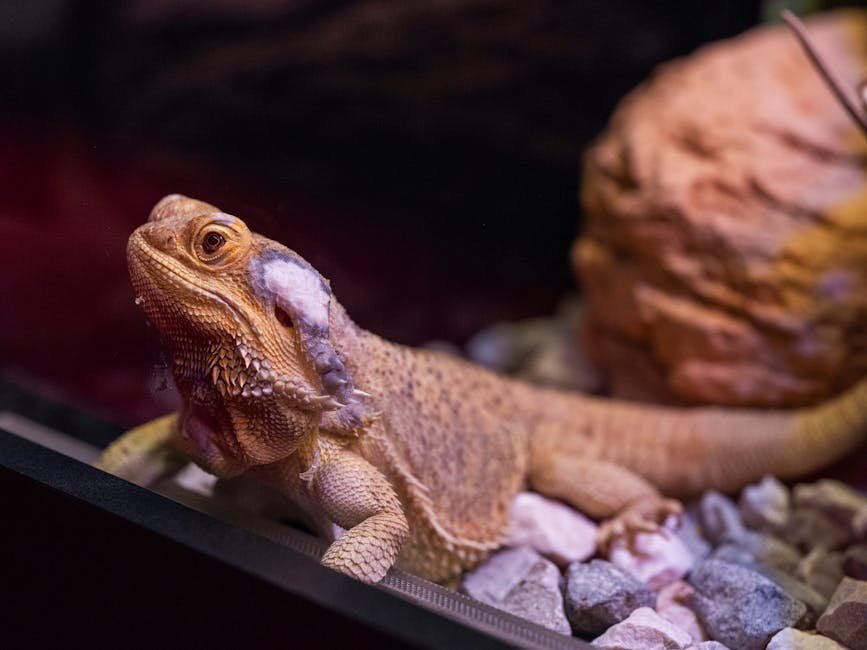
One of the most common — and most preventable — health issues bearded dragon owners face is vitamin and mineral deficiency. These deficiencies don’t appear overnight. They creep in slowly, often mimicking other problems or going entirely unnoticed until your beardie is seriously unwell. As a beginner, learning to recognize the early warning signs of nutritional deficiencies can literally save your bearded dragon’s life. In this comprehensive 2026 guide, we’ll walk you through every major vitamin deficiency, what to look for, and exactly how to correct and prevent each one so your scaly companion thrives for years to come.
Why Bearded Dragons Are Especially Prone to Vitamin Deficiencies
In the wild, bearded dragons (Pogona vitticeps) roam vast stretches of the Australian outback, basking under intense UVB radiation and consuming a diverse diet of insects, flowers, leaves, and occasional small vertebrates. In captivity, we’re essentially trying to replicate millions of years of evolutionary adaptation inside a glass enclosure. It’s no surprise that nutritional gaps happen frequently.
Bearded dragons require a precise balance of calcium, phosphorus, vitamin D3, vitamin A, and B vitamins to maintain healthy bones, organs, skin, and neurological function. When any one of these nutrients falls out of balance — either through inadequate diet, improper supplementation, or insufficient UVB lighting — the consequences can be severe. Beginners are especially vulnerable to these mistakes because the signs are often subtle in the early stages.
Calcium Deficiency and Metabolic Bone Disease (MBD)
Calcium deficiency is the single most dangerous nutritional problem in captive bearded dragons, and it leads to a devastating condition called Metabolic Bone Disease (MBD). This is not a single disease but rather a spectrum of skeletal disorders caused by insufficient calcium absorption.
Worried About Your Reptile's Health?
Upload a photo and get instant AI health analysis. Catch problems before they become expensive vet bills.
Get Free Health Check →Early Warning Signs of Calcium Deficiency
- Muscle twitching and tremors: You may notice your bearded dragon’s legs or toes twitching involuntarily, especially after physical activity. This is one of the earliest and most telling signs.
- Lethargy and weakness: Your beardie may seem less interested in climbing, exploring, or chasing insects. They might struggle to lift their body off the ground.
- Soft or rubbery jaw: Gently (and carefully) feeling your dragon’s lower jaw can reveal a softness that shouldn’t be there. A healthy jaw feels firm and solid.
- Decreased appetite: Calcium-deficient dragons often lose interest in food, creating a vicious cycle of worsening deficiency.
Advanced MBD Symptoms
- Bowed or deformed limbs: The legs may appear curved or swollen at the joints as bones weaken and bend under the dragon’s weight.
- Spinal kinks or bumps: The spine may develop visible deformities, sometimes resembling a zigzag pattern when viewed from above.
- Fractured bones from minimal activity: Bones become so brittle that normal movement can cause fractures.
- Paralysis of the hind legs: In severe cases, dragons lose the ability to move their back legs entirely.
- Jaw deformity: The lower jaw may become visibly misshapen, making it difficult or impossible for the dragon to eat.
How to Address Calcium Deficiency
If you suspect MBD, schedule a veterinary visit immediately — this condition can be fatal if left untreated. For prevention and mild cases, dust feeder insects with a calcium powder without D3 at every feeding for juveniles and at least 4-5 times per week for adults. Use a calcium powder with D3 twice per week as a backup, and ensure your UVB setup is functioning correctly (more on that below). The ideal calcium-to-phosphorus ratio in your dragon’s diet should be 2:1. Avoid feeding high-phosphorus foods like mealworms as a staple, and instead offer calcium-rich greens such as collard greens, mustard greens, and turnip greens daily.
Vitamin D3 Deficiency: The Silent Partner of MBD
Vitamin D3 works hand-in-hand with calcium. Without adequate D3, your bearded dragon’s body simply cannot absorb calcium from the digestive tract — no matter how much calcium you provide. This makes D3 deficiency functionally identical to calcium deficiency in its effects.
Signs of Vitamin D3 Deficiency
- All the symptoms of calcium deficiency and MBD listed above
- Slow growth in juveniles: Young dragons who aren’t getting enough D3 will grow noticeably slower than their well-supplemented counterparts.
- General poor condition: Dull skin, lack of energy, and poor muscle tone can all indicate D3 issues.
The UVB Connection
Bearded dragons synthesize vitamin D3 naturally when exposed to UVB radiation — just like humans produce vitamin D from sunlight. In 2026, the gold standard for bearded dragon UVB lighting is a tube-style UVB bulb (T5 HO) rated at 10-12% UVB output, spanning at least two-thirds the length of the enclosure. The bulb should be mounted inside the enclosure (not through a mesh screen, which filters out significant UVB) at a distance of 12-15 inches from the basking spot. Replace UVB bulbs every 6-12 months, even if they still produce visible light, because UVB output degrades long before the bulb burns out. A Solarmeter 6.5 is an excellent investment for measuring actual UVB output if you want to be precise.
Vitamin A Deficiency (Hypovitaminosis A)
Vitamin A plays a critical role in your bearded dragon’s vision, immune system, skin health, and reproductive function. Deficiency is more common than many beginners realize, particularly in dragons fed a limited variety of vegetables.
Never Miss Early Warning Signs
AI photo analysis catches subtle health issues humans miss 80% of the time. Early detection = healthier reptile + lower vet bills.
Start Free Trial →Recognizable Symptoms
- Swollen or puffy eyes: One of the hallmark signs. The eyes may appear to bulge or the eyelids may look inflamed and swollen shut.
- Chronic respiratory infections: Vitamin A is essential for maintaining healthy mucous membranes. Deficient dragons are more susceptible to upper respiratory infections, characterized by wheezing, mucus around the nostrils, and open-mouth breathing.
- Difficulty shedding (dysecdysis): Retained shed, particularly around the toes, tail tip, and eyes, can indicate vitamin A deficiency.
- Loss of appetite and weight loss: As with other deficiencies, reduced food intake is common.
- Skin lesions or rough, thickened skin: The skin may lose its smooth texture and appear abnormally dry or patchy.
Treating and Preventing Vitamin A Deficiency
Feed a variety of vitamin A-rich vegetables including butternut squash, sweet potato, carrots (grated), and dark leafy greens like dandelion greens and collard greens. A quality reptile multivitamin containing beta-carotene (the plant-based precursor to vitamin A) should be dusted on food once or twice per week. Be cautious with supplements containing preformed vitamin A (retinol), as excessive amounts can cause vitamin A toxicity (hypervitaminosis A), which is equally dangerous. When in doubt, stick with beta-carotene sources, which your dragon’s body converts to vitamin A as needed.
B Vitamin Deficiencies
B vitamin deficiencies are less commonly discussed but can cause serious neurological problems in bearded dragons. Vitamin B1 (thiamine) deficiency is the most notable concern.
What to Watch For
- Muscle tremors and uncoordinated movement: Your dragon may stumble, circle, or have difficulty walking in a straight line.
- Head tilting or stargazing: The dragon may tilt its head to one side or crane its neck backward in an unnatural posture.
- Seizures: In advanced cases, B1 deficiency can trigger full seizures.
- Appetite loss and general decline: As neurological function deteriorates, overall health follows.
Thiamine deficiency most commonly occurs when bearded dragons are fed a diet heavy in fish or certain frozen-thawed prey items that contain thiaminase, an enzyme that destroys vitamin B1. While this is more common in aquatic reptiles, it’s worth knowing. A balanced diet with properly gut-loaded feeder insects and a regular multivitamin supplement typically prevents B vitamin issues entirely.
Creating a Bulletproof Supplementation Schedule for 2026
One of the best things you can do as a beginner is establish a consistent supplementation routine. Here’s a practical schedule that covers all your bases:
Join thousands of successful reptile owners
Try ReptileCoach Free →For Juvenile Bearded Dragons (Under 12 Months)
- Calcium without D3: Dust feeder insects at every feeding (typically 2-3 times daily)
- Calcium with D3: Substitute for plain calcium 2-3 times per week
- Reptile multivitamin: Dust on food 2 times per week (on days you’re not using calcium with D3)
For Adult Bearded Dragons (Over 12 Months)
- Calcium without D3: Dust feeder insects 4-5 times per week
- Calcium with D3: Use 2 times per week in place of plain calcium
- Reptile multivitamin: Dust on food 1-2 times per week
Popular and well-reviewed supplement brands in 2026 include Repashy Calcium Plus (an all-in-one option), Zoo Med Repti Calcium, and Arcadia EarthPro-A. Whichever brand you choose, store supplements in a cool, dry place and check expiration dates regularly — degraded supplements offer little nutritional value.
When to See a Reptile Veterinarian
While mild deficiencies can often be corrected at home with dietary and husbandry adjustments, certain symptoms demand professional veterinary care immediately:
- Visible bone deformities or suspected fractures
- Inability to walk or use hind legs
- Seizures or severe head tilting
- Eyes swollen shut for more than 24-48 hours
- Persistent respiratory symptoms (wheezing, bubbling, open-mouth breathing)
- Rapid weight loss or complete refusal to eat for more than a week
A reptile-experienced veterinarian can run blood panels to check calcium, phosphorus, and vitamin levels, take X-rays to assess bone density, and prescribe injectable supplements or medications that work far faster than dietary changes alone. You can find a qualified herp vet through the Association of Reptilian and Amphibian Veterinarians (ARAV) directory.
Conclusion: Prevention Is Always Easier Than Treatment
Vitamin and mineral deficiencies in bearded dragons are overwhelmingly preventable with proper husbandry, a varied diet, consistent supplementation, and appropriate UVB lighting. As a beginner in 2026, you have access to better lighting technology, higher-quality supplements, and more reliable care information than ever before. The key takeaways are simple: dust your feeders consistently, offer a rainbow of nutritious vegetables, invest in a proper T5 HO UVB setup and replace the bulb on schedule, and learn to recognize the early warning signs we’ve covered in this guide. Catching a deficiency in its earliest stages — a subtle tremor, a slight puffiness around the eyes, a reluctance to climb — can mean the difference between a quick dietary fix and a life-threatening condition. Your bearded dragon is counting on you to get this right, and now you have the knowledge to do exactly that.
"This app saved my bearded dragon's life. The AI caught early MBD in photos I thought looked completely normal. Worth every penny!"
— Sarah K., ReptileCoach User
Get Your Free 7-Day Trial →Ready to Give Your Reptile the Best Care?
Stop guessing and start knowing. Get personalized AI-powered care guidance, photo health analysis, and 24/7 expert advice for YOUR specific reptile.
Get Personalized Care Guidance
AI-powered photo analysis and daily care tracking for YOUR reptile
Try Free for 7 Days →