
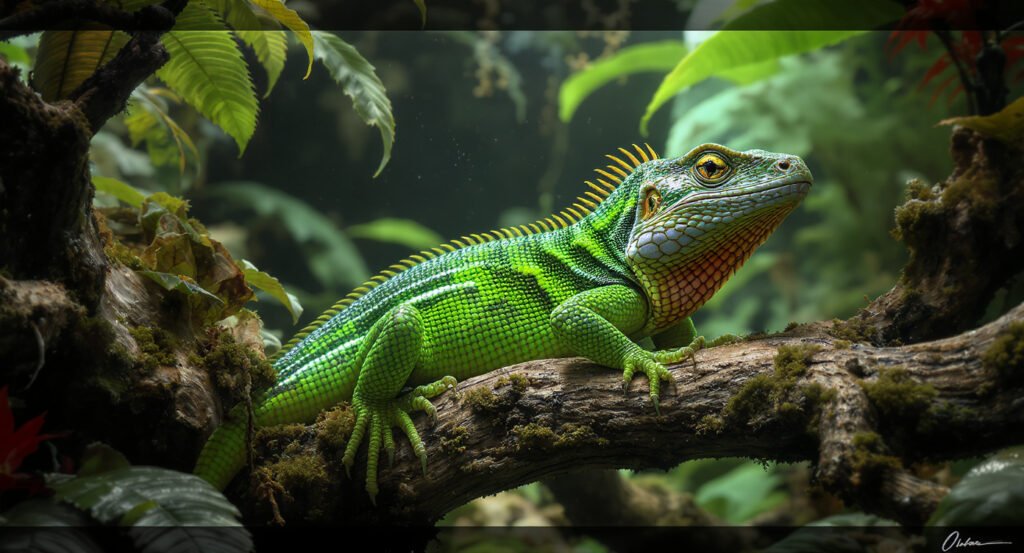
Introduction: Why Water Dragons Make Incredible Pets
If you’re searching for a reptile that combines stunning looks, fascinating behavior, and a manageable temperament, the water dragon might be your perfect match. Native to Southeast Asia and eastern Australia, water dragons are medium-sized lizards known for their vibrant green scales, prehistoric appearance, and surprisingly social nature. However, before you bring one home, proper water dragon care is absolutely essential to ensure your new companion lives a long, healthy, and fulfilling life.
This beginner’s guide covers everything you need to know — from building the ideal habitat to understanding their dietary needs and recognizing common health problems. Whether you’re a first-time reptile owner or transitioning from another species, this comprehensive breakdown will set you and your water dragon up for success.
Setting Up the Perfect Habitat for Your Water Dragon
One of the most critical aspects of water dragon care is providing a spacious, well-designed enclosure that mimics their natural tropical environment. Water dragons are active climbers and swimmers, which means their habitat needs both vertical space and a water feature.
Enclosure Size
For a single adult water dragon, aim for an enclosure that is at least 6 feet tall, 4 feet wide, and 2 feet deep. Juveniles can start in a smaller 40-gallon terrarium, but they grow quickly — Chinese water dragons can reach 2–3 feet in length, while Australian water dragons can grow even larger. Always plan ahead and invest in a larger enclosure from the start to avoid frequent upgrades.
Worried About Your Reptile's Health?
Upload a photo and get instant AI health analysis. Catch problems before they become expensive vet bills.
Get Free Health Check →Substrate and Décor
Use a substrate that retains moisture without becoming waterlogged. Excellent options include:
- Coconut fiber (coco coir) — natural, affordable, and humidity-friendly
- Cypress mulch — great for maintaining moisture levels
- Organic topsoil mixed with sand — mimics natural forest floor conditions
Add plenty of sturdy branches and driftwood for climbing, as well as live or artificial plants like pothos or ficus to create hiding spots and a more naturalistic environment. A large water dish or shallow pool is non-negotiable — water dragons love to soak and swim, and it also aids in shedding.
Temperature & Humidity: Getting the Climate Right
Maintaining proper temperature and humidity gradients is arguably the most important element of successful water dragon care. These tropical reptiles are highly sensitive to environmental changes, and improper conditions can lead to serious health complications.
Temperature Requirements
Water dragons are ectothermic, meaning they rely on external heat sources to regulate their body temperature. Set up a proper thermal gradient within the enclosure:
Never Miss Early Warning Signs
AI photo analysis catches subtle health issues humans miss 80% of the time. Early detection = healthier reptile + lower vet bills.
Start Free Trial →- Basking spot: 90–95°F (32–35°C)
- Warm side: 80–85°F (27–29°C)
- Cool side: 75–80°F (24–27°C)
- Nighttime temperature: No lower than 70°F (21°C)
Use a combination of a basking lamp, ceramic heat emitters, and under-tank heating pads to achieve these ranges. Always use a reliable digital thermometer with probes placed at multiple points in the enclosure.
Humidity Levels
Water dragons thrive at a relative humidity of 70–80%. You can maintain this by misting the enclosure 1–2 times daily, using a fogger or automatic misting system, and keeping a large water source inside the habitat. A hygrometer is essential for monitoring humidity levels consistently.
UVB Lighting
Don’t overlook UVB lighting — it’s critical for calcium metabolism and preventing metabolic bone disease. Use a high-output UVB bulb rated for tropical species (T5 HO 6% or 10% UVB) and replace it every 6–12 months, even if it still appears to emit visible light.
Diet & Feeding: What Do Water Dragons Eat?
Water dragons are omnivores, meaning a healthy, balanced diet includes both animal protein and plant matter. Proper nutrition is a cornerstone of good water dragon care that directly impacts your lizard’s energy, coloration, and longevity.
Join thousands of successful reptile owners
Try ReptileCoach Free →Protein Sources (60–70% of Diet)
- Crickets and dubia roaches (staple feeders)
- Mealworms and superworms (occasional treats)
- Hornworms and silkworms (great for hydration)
- Small feeder fish like guppies
- Pinky mice (rare, for adult dragons only)
Plant Matter (30–40% of Diet)
- Dark leafy greens: collard greens, mustard greens, dandelion leaves
- Squash, bell peppers, and shredded carrots
- Berries and mango as occasional fruit treats
Feeding Schedule & Supplements
Juveniles should be fed daily, while adults can be fed every other day. Always dust feeder insects with calcium powder (without D3) at every feeding, and use a calcium-with-D3 supplement 2–3 times per week. A multivitamin supplement once a week rounds out a complete nutritional profile.
Handling Tips: Building Trust With Your Water Dragon
Water dragons are generally more tolerant of handling than many other reptile species, but building trust takes time and patience. Here are key tips for safe and positive interactions:
- Start slowly: Allow your dragon to settle into their new home for at least 1–2 weeks before attempting handling.
- Approach calmly: Move slowly and approach from the side rather than from above, which mimics predator behavior and causes stress.
- Support their body: Always support the full length of their body and tail — never grab or restrain them forcefully.
- Keep sessions short: Limit early handling to 5–10 minutes per session and gradually increase duration as your dragon becomes comfortable.
- Read their body language: A puffed-up throat, darkened color, or a whipping tail are signs of stress — return them to their enclosure and try again later.
Common Health Issues in Water Dragons
Even with excellent water dragon care, health issues can arise. Knowing what to watch for can make the difference between a minor setback and a serious emergency.
Metabolic Bone Disease (MBD)
Caused by calcium deficiency and inadequate UVB exposure, MBD leads to soft, deformed bones. Symptoms include lethargy, tremors, and swollen limbs. Prevention through proper lighting and supplementation is far easier than treatment.
"This app saved my bearded dragon's life. The AI caught early MBD in photos I thought looked completely normal. Worth every penny!"
— Sarah K., ReptileCoach User
Get Your Free 7-Day Trial →Rostral Abrasions
Water dragons often rub their snouts against enclosure walls, causing painful sores. Use solid backgrounds and opaque sides to reduce this behavior, and ensure the enclosure is large enough to prevent stress-induced repetitive behaviors.
Parasites
Internal and external parasites are common, especially in wild-caught dragons. Annual fecal exams by a reptile-savvy veterinarian are strongly recommended.
Respiratory Infections
Low temperatures and poor ventilation can lead to respiratory infections, characterized by wheezing, mucus around the mouth, and lethargy. Maintain proper temperature gradients and ensure adequate airflow in the enclosure.
Take Your Water Dragon Care to the Next Level
Caring for a water dragon is a rewarding long-term commitment — with proper care, they can live 10–15 years or more. The more educated you are, the healthier and happier your dragon will be. Whether you’re tracking feeding schedules, monitoring environmental conditions, or learning advanced husbandry techniques, having expert guidance makes all the difference.
Worried About Your Reptile's Health?
Upload a photo and get instant AI health analysis. Catch problems before they become expensive vet bills.
Get Free Health Check →Ready to become the best reptile keeper possible? Join the Reptile Coach App today and get access to expert care guides, personalized feeding trackers, community support, and professional advice — all in one place. Your water dragon deserves nothing less than the best care possible.
Conclusion
Water dragons are magnificent reptiles that reward dedicated owners with vibrant personalities and stunning displays. By investing time in a proper habitat setup, maintaining ideal temperature and humidity, offering a varied and nutritious diet, handling them with patience, and staying alert to potential health concerns, you’ll build a thriving environment where your water dragon can flourish for years to come. Start with the fundamentals outlined in this guide, and don’t hesitate to seek expert help whenever you need it — your water dragon is counting on you.
Ready to Give Your Reptile the Best Care?
Stop guessing and start knowing. Get personalized AI-powered care guidance, photo health analysis, and 24/7 expert advice for YOUR specific reptile.
Get Personalized Care Guidance
AI-powered photo analysis and daily care tracking for YOUR reptile
Try Free for 7 Days →