
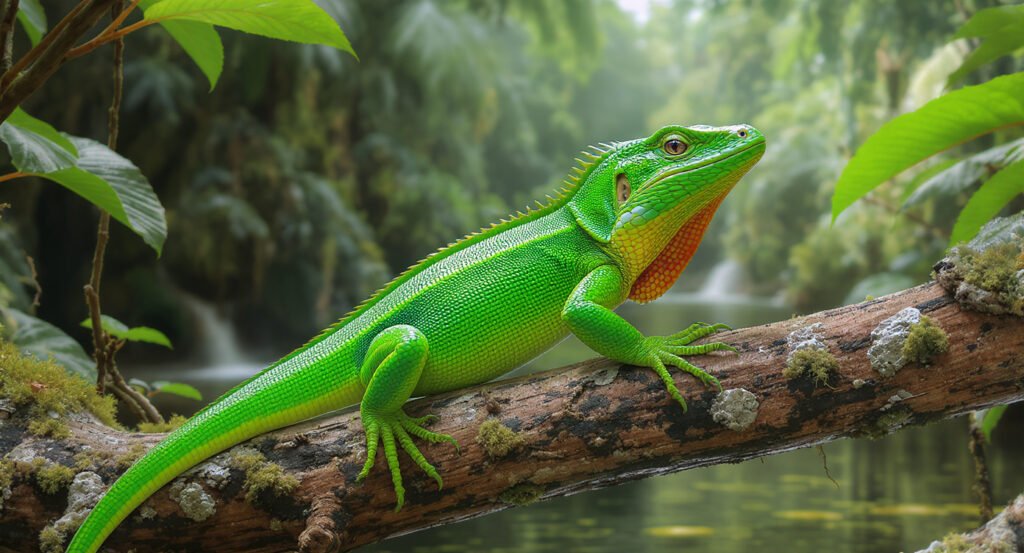
Water dragons are among the most visually stunning lizards you can keep as pets. With their vibrant green scales, expressive eyes, and active personalities, Chinese water dragons (Physignathus cocincinus) and Australian water dragons (Intellagama lesueurii) have won the hearts of reptile enthusiasts worldwide. But like any exotic pet, they come with specific care requirements that every owner must understand before bringing one home.
This comprehensive water dragon care guide will walk you through everything you need to know — from enclosure setup and diet to health concerns and handling tips — so your lizard can thrive for its full 10–15 year lifespan.
Understanding Water Dragon Species
Before diving into care specifics, it helps to know which species you have. The two most commonly kept water dragons are:
- Chinese Water Dragon (Physignathus cocincinus): Bright green with blue-green banding, typically 2–3 feet long. Most popular in the pet trade.
- Australian Water Dragon (Intellagama lesueurii): Slightly stockier with gray-green coloring and a red-orange chest in males. Hardy and adaptable.
Both species share similar care requirements, making this guide applicable to either. However, always research your specific species for any nuanced differences.
Worried About Your Reptile's Health?
Upload a photo and get instant AI health analysis. Catch problems before they become expensive vet bills.
Get Free Health Check →Setting Up the Perfect Water Dragon Enclosure
Enclosure Size
Water dragons are active, arboreal lizards that need plenty of vertical and horizontal space. A cramped enclosure is one of the leading causes of stress and health decline in captive water dragons.
- Juveniles (under 12 inches): A 40-gallon terrarium is a reasonable starting point.
- Adults: Minimum 4 feet wide × 3 feet deep × 6 feet tall. Larger is always better.
- Pro tip: Many experienced keepers build custom PVC or wood enclosures to meet the size requirements affordably.
Temperature and Lighting
Proper thermal gradients are non-negotiable for water dragon health. These reptiles are ectotherms, meaning they regulate their body temperature through their environment.
- Basking spot: 90–95°F (32–35°C)
- Warm side ambient: 80–85°F (27–29°C)
- Cool side ambient: 75–80°F (24–27°C)
- Nighttime temperature: No lower than 65–70°F (18–21°C)
UVB lighting is absolutely essential. Water dragons require UVB exposure to synthesize vitamin D3, which is critical for calcium absorption and preventing metabolic bone disease. Use a high-quality UVB bulb rated for tropical species (a 5.0 or T5 HO 6% UVB bulb works well) and replace it every 6–12 months, even if it still produces visible light.
Humidity
Water dragons are native to humid, tropical environments and require humidity levels between 70–80%. Insufficient humidity leads to shedding problems and respiratory infections.
Never Miss Early Warning Signs
AI photo analysis catches subtle health issues humans miss 80% of the time. Early detection = healthier reptile + lower vet bills.
Start Free Trial →- Mist the enclosure 1–2 times daily.
- Use moisture-retaining substrates like coconut fiber, topsoil, or a bioactive mix.
- Add live plants (pothos, bromeliads, ficus) to naturally maintain humidity.
- Consider an automated misting system for consistent humidity control.
Water Features
True to their name, water dragons love to soak and swim. Providing a large water dish or a small pond-style water feature inside the enclosure is strongly recommended. The water source should be:
- Large enough for the lizard to fully submerge
- Cleaned and changed every 1–2 days to prevent bacterial growth
- Positioned at ground level for easy access
Feeding Your Water Dragon
Water dragons are omnivores, meaning they eat both animal protein and plant matter. A varied, balanced diet is the cornerstone of long-term health.
Protein Sources (70–80% of diet for juveniles, 50–60% for adults)
- Crickets, dubia roaches, and mealworms
- Waxworms (as occasional treats only — high in fat)
- Earthworms and silkworms
- Pinky mice (adults only, offered sparingly)
- Small feeder fish like guppies
Vegetables and Fruits (20–30% of diet)
- Collard greens, mustard greens, and dandelion greens
- Squash, bell peppers, and carrots
- Blueberries, strawberries, and mango (in moderation)
- Avoid spinach, kale, and iceberg lettuce as staples
Supplementation
Dust feeder insects with calcium powder at every feeding and a multivitamin supplement 1–2 times per week. This is critical for preventing metabolic bone disease, one of the most common and devastating conditions in captive lizards.
Handling and Socialization
Water dragons can become quite tame with consistent, gentle handling, but they require patience. Juveniles are often skittish and may drop their tails (autotomy) if they feel threatened — tails do grow back, but the process takes energy and the regrown tail is often shorter and darker.
Join thousands of successful reptile owners
Try ReptileCoach Free →- Start with short 5–10 minute handling sessions
- Always support the lizard’s full body weight
- Avoid grabbing from above, which mimics a predator attack
- Never forcibly restrain a struggling lizard
- Wash your hands before and after handling to protect both you and your pet
With regular positive interactions, most water dragons become tolerant of handling and may even seem to enjoy human companionship.
Common Health Issues to Watch For
Even with excellent care, water dragons can develop health problems. Knowing the warning signs allows you to act quickly.
- Metabolic Bone Disease (MBD): Caused by calcium deficiency or insufficient UVB. Signs include rubbery jaw, tremors, and difficulty moving. Preventable with proper lighting and supplementation.
- Rostral Abrasions: Water dragons frequently rub their snouts against glass enclosures. Use opaque barriers on lower enclosure walls or switch to mesh-fronted habitats.
- Respiratory Infections: Often caused by low temperatures or humidity. Watch for wheezing, mucus around the mouth, and lethargy.
- Parasites: Internal and external parasites are common in wild-caught specimens. Have a fecal exam done by a reptile-savvy veterinarian annually.
Quick Water Dragon Care Checklist
- ✅ Enclosure at least 4×3×6 feet for adults
- ✅ Basking spot at 90–95°F
- ✅ Quality UVB lighting replaced every 6–12 months
- ✅ Humidity maintained at 70–80%
- ✅ Fresh water source cleaned daily
- ✅ Varied diet with proper calcium and vitamin supplementation
- ✅ Regular veterinary checkups with a reptile specialist
- ✅ Gentle, consistent handling for socialization
Start Tracking Your Water Dragon’s Care Today
Caring for a water dragon is a rewarding long-term commitment. These stunning lizards can live 15+ years in captivity when their needs are properly met. The key is consistent attention to their environment, diet, and health — all of which become much easier with the right tools.
Ready to give your water dragon the best life possible? Try ReptileCoach free — our AI-powered reptile care app gives you personalized feeding schedules, health tracking, humidity reminders, and expert care guides for water dragons and all your reptiles. Join our community of dedicated reptile owners today.
"This app saved my bearded dragon's life. The AI caught early MBD in photos I thought looked completely normal. Worth every penny!"
— Sarah K., ReptileCoach User
Get Your Free 7-Day Trial →Ready to Give Your Reptile the Best Care?
Stop guessing and start knowing. Get personalized AI-powered care guidance, photo health analysis, and 24/7 expert advice for YOUR specific reptile.
Get Personalized Care Guidance
AI-powered photo analysis and daily care tracking for YOUR reptile
Try Free for 7 Days →