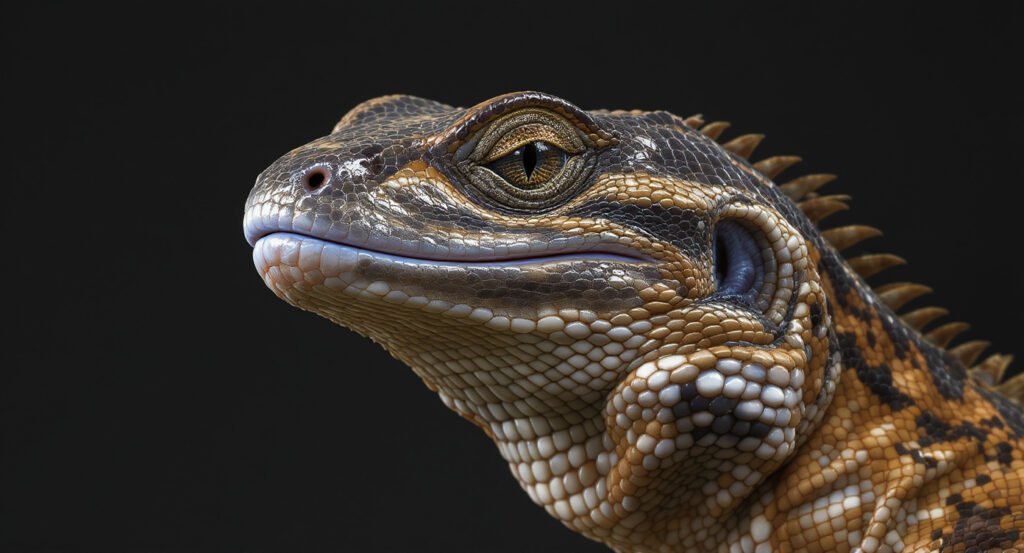
Blue-tongued skinks are generally enthusiastic eaters, which makes it particularly concerning when your beloved reptile suddenly stops eating. Loss of appetite in blue-tongues can stem from various causes ranging from simple environmental issues to more serious health concerns. This comprehensive guide will help you identify why your skink isn’t eating and provide practical solutions to get them back on track.
Common Reasons Blue-Tongued Skinks Stop Eating
Understanding the root cause is essential for addressing appetite loss effectively. Let’s explore the most common culprits behind feeding refusal in blue-tongued skinks.
Temperature Issues
Temperature regulation is critical for blue-tongued skinks. These reptiles are ectothermic, meaning they rely on external heat sources to regulate their metabolism and digestion. If your enclosure temperatures aren’t optimal, your skink simply won’t feel hungry.
The basking spot should reach 95-100°F (35-38°C), while the cool end should stay around 75-80°F (24-27°C). Use accurate digital thermometers with probes to verify temperatures at multiple points in the enclosure. Analog thermometers are notoriously unreliable and can give false readings that lead to improper husbandry.
Worried About Your Reptile's Health?
Upload a photo and get instant AI health analysis. Catch problems before they become expensive vet bills.
Get Free Health Check →Without adequate warmth, your skink cannot properly digest food, and their instinct will tell them not to eat. Check your heat sources, replace any failing bulbs, and ensure your thermostat is functioning correctly.
Stress and Environmental Changes
Blue-tongued skinks are sensitive to changes in their environment. Recent moves, new enclosure setups, nearby construction noise, or even rearranging furniture near their tank can cause stress-induced appetite loss.
New owners often experience this when bringing a skink home for the first time. Give your blue-tongue at least 5-7 days to settle in before becoming overly concerned about eating. During this acclimation period, minimize handling and keep disturbances to a minimum.
Brumation Behavior
Brumation is a natural slowdown period similar to hibernation that many blue-tongued skinks experience, particularly during cooler months. During brumation, skinks become lethargic and may refuse food for weeks or even months.
Never Miss Early Warning Signs
AI photo analysis catches subtle health issues humans miss 80% of the time. Early detection = healthier reptile + lower vet bills.
Start Free Trial →This is completely normal behavior for adult skinks, especially those over two years old. Signs of brumation include decreased activity, spending more time hiding, and disinterest in food despite proper temperatures. As long as your skink maintains a healthy body weight and shows no signs of illness, brumation-related fasting is not a concern.
Shedding Cycle
Many blue-tongued skinks reduce or completely stop eating in the days leading up to a shed. During this time, their skin becomes dull, their eyes may appear cloudy, and they become less active. This is temporary and expected behavior.
Once the shed is complete, appetite typically returns immediately. Ensure humidity is adequate (40-50% ambient, with a humid hide available) to support proper shedding, as stuck shed can cause ongoing stress and appetite issues.
Health Problems
Persistent appetite loss accompanied by other symptoms may indicate underlying health issues. Parasites, respiratory infections, metabolic bone disease, and impaction can all cause feeding refusal.
Join thousands of successful reptile owners
Try ReptileCoach Free →Warning signs that warrant veterinary attention include weight loss, lethargy beyond brumation, mucus around the nose or mouth, irregular bowel movements, swollen limbs, and visible lumps or injuries. Don’t delay seeking professional care if you notice these symptoms.
Practical Steps to Encourage Eating
Once you’ve identified potential causes, implement these strategies to help restore your blue-tongue’s appetite.
Verify and Optimize Husbandry
Start with the fundamentals. Use a temperature gun to check basking surface temperatures, not just air temperatures. Verify your UVB bulb is appropriate strength (typically 10-12% for blue-tongues) and hasn’t exceeded its lifespan, as UVB output degrades over time even when the bulb still produces visible light.
Ensure your enclosure is adequately sized—adult blue-tongued skinks need at least a 4x2x2 foot enclosure. Cramped spaces create stress that suppresses appetite. Provide multiple hides, one on the warm end and one on the cool end, so your skink can thermoregulate while feeling secure.
"This app saved my bearded dragon's life. The AI caught early MBD in photos I thought looked completely normal. Worth every penny!"
— Sarah K., ReptileCoach User
Get Your Free 7-Day Trial →Offer Variety and Preferred Foods
Blue-tongued skinks can be surprisingly picky. If your skink consistently refuses their regular diet, try offering highly palatable foods like snails, scrambled eggs, or high-quality canned dog food formulated for blue-tongues.
Live feeders like roaches or hornworms can trigger feeding responses in reluctant eaters. Some skinks prefer foods at specific temperatures—try warming food slightly to enhance aroma and appeal. Avoid offering the same foods repeatedly; dietary variety prevents boredom and nutritional deficiencies.
Adjust Feeding Schedule and Approach
The time of day matters. Many blue-tongued skinks are most active and hungry in the morning after basking. Try offering food 1-2 hours after lights come on when your skink has had time to warm up.
For skinks that have become hand-shy, try placing food in their enclosure and leaving them alone rather than hand-feeding. Some individuals prefer privacy when eating. Conversely, some skinks eat more readily when hand-fed or when food is offered with feeding tongs that create movement.
Worried About Your Reptile's Health?
Upload a photo and get instant AI health analysis. Catch problems before they become expensive vet bills.
Get Free Health Check →Create a Feeding Routine
Consistency helps. Feed at the same time on the same days each week. Blue-tongued skinks are intelligent and will learn to anticipate feeding times, which can stimulate appetite. Adult skinks typically eat 2-3 times per week, while juveniles may eat daily.
Monitor and Track
Keep a feeding log that notes what was offered, what was eaten, temperatures, and any behavioral changes. This documentation is invaluable for identifying patterns and will be extremely helpful if you need to consult a veterinarian.
Weigh your skink weekly on a digital kitchen scale. Gradual weight loss indicates a problem that needs addressing, while stable weight during a voluntary fast is less concerning.
When to Seek Veterinary Care
If your blue-tongued skink hasn’t eaten for more than three weeks (outside of brumation), shows signs of weight loss, or displays any symptoms of illness, consult a reptile veterinarian immediately. Many health issues are easily treatable when caught early but can become serious if ignored.
Never Miss Early Warning Signs
AI photo analysis catches subtle health issues humans miss 80% of the time. Early detection = healthier reptile + lower vet bills.
Start Free Trial →Find a vet experienced with reptiles before you need one. Not all veterinarians are trained in exotic animal care, and reptile medicine requires specialized knowledge.
Take Control of Your Reptile Care Journey
Managing blue-tongued skink health doesn’t have to be stressful. Whether you’re troubleshooting feeding issues, tracking husbandry parameters, or simply want to provide the best possible care, having the right tools makes all the difference.
Reptile Coach helps reptile keepers track feeding schedules, monitor weight trends, log health observations, and stay on top of husbandry tasks. Join thousands of reptile enthusiasts who are providing better care through better tracking. Start using Reptile Coach today and give your blue-tongued skink the care they deserve.
Ready to Give Your Reptile the Best Care?
Stop guessing and start knowing. Get personalized AI-powered care guidance, photo health analysis, and 24/7 expert advice for YOUR specific reptile.
Get Personalized Care Guidance
AI-powered photo analysis and daily care tracking for YOUR reptile
Try Free for 7 Days →