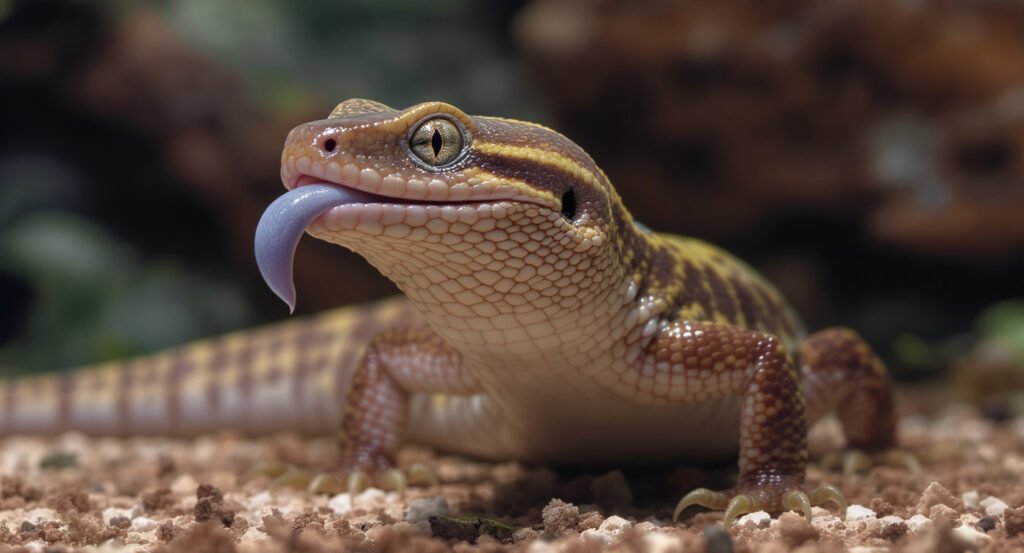
Watching your blue-tongued skink refuse food can be worrying for any reptile owner. These normally voracious lizards are known for their hearty appetites, so when they suddenly stop eating, it’s natural to be concerned. Fortunately, most feeding issues in blue-tongued skinks are fixable once you identify the underlying cause.
Common Reasons Blue-Tongued Skinks Stop Eating
1. Incorrect Temperature
Temperature is the #1 cause of appetite loss in blue-tongues. These lizards are ectothermic and rely on external heat to digest food properly.
- Basking spot too cold: Should be 95-100°F (35-38°C)
- Cool side too cold: Should be 75-85°F (24-29°C)
- Nighttime drop too extreme: Can drop to 70-75°F (21-24°C)
Without adequate heat, your skink won’t have the metabolic energy to digest food, so it instinctively refuses to eat. Check your temperatures with a reliable infrared thermometer gun, not stick-on dial thermometers which are notoriously inaccurate.
2. Stress from Environment Changes
Blue-tongued skinks are surprisingly sensitive to environmental changes:
Worried About Your Reptile's Health?
Upload a photo and get instant AI health analysis. Catch problems before they become expensive vet bills.
Get Free Health Check →- New enclosure or recent move
- Different substrate or hide placement
- Loud noises or excessive handling
- Presence of other pets or high-traffic areas
Give your skink 1-2 weeks to adjust to changes before worrying. Minimize handling during this period.
3. Seasonal Brumation
In late fall and winter, blue-tongued skinks may naturally slow down or stop eating as they enter brumation (reptile hibernation). This is normal behavior, especially in adults. Signs of brumation include:
- Decreased activity and more time hiding
- Reduced appetite or complete food refusal
- More time spent in the cool zone
As long as your skink maintains body weight and doesn’t appear sick, brumation is nothing to worry about. It typically lasts 1-3 months.
4. Illness or Parasites
Health issues can suppress appetite. Watch for these warning signs:
Never Miss Early Warning Signs
AI photo analysis catches subtle health issues humans miss 80% of the time. Early detection = healthier reptile + lower vet bills.
Start Free Trial →- Weight loss or sunken eyes
- Lethargy beyond normal brumation
- Mucus around mouth or nose
- Abnormal feces (runny, bloody, or foul-smelling)
- Labored breathing or wheezing
Respiratory infections, parasites, and metabolic bone disease are common culprits. If you notice any of these symptoms, consult a reptile veterinarian immediately.
5. Improper Diet or Food Boredom
Blue-tongued skinks are omnivores with specific nutritional needs. Problems arise when:
- Diet lacks variety (feeding the same food repeatedly)
- Food items are too large to swallow comfortably
- Lack of calcium and vitamin D3 supplementation
- Spoiled or low-quality food
Rotate between protein sources (snails, insects, lean meat) and vegetables (leafy greens, squash, berries). Dust food with calcium powder 2-3 times per week.
Step-by-Step Troubleshooting
Step 1: Check Your Temperatures
Verify basking spot is 95-100°F and cool side is 75-85°F. Adjust heating equipment as needed and retest after 24 hours.
Join thousands of successful reptile owners
Try ReptileCoach Free →Step 2: Review Recent Changes
Did you recently move the enclosure, change substrate, or bring home a new pet? Give your skink time to adjust with minimal disturbance.
Step 3: Offer Different Foods
Try high-value treats like snails, waxworms, or scrambled egg. Sometimes a change in menu restarts appetite.
Step 4: Soak Your Skink
Dehydration reduces appetite. Offer a 15-20 minute soak in shallow lukewarm water (85°F). Many skinks will drink during soaks.
Step 5: Monitor for Health Issues
Keep daily notes on behavior, weight, and bathroom habits. If appetite doesn’t return in 2-3 weeks (outside of brumation season), schedule a vet visit.
"This app saved my bearded dragon's life. The AI caught early MBD in photos I thought looked completely normal. Worth every penny!"
— Sarah K., ReptileCoach User
Get Your Free 7-Day Trial →When to See a Reptile Veterinarian
Contact a vet immediately if your blue-tongued skink shows:
- Weight loss exceeding 10% of body weight
- No bowel movements for 3+ weeks (outside brumation)
- Discharge from eyes, nose, or mouth
- Visible lumps, swelling, or mouth rot
- Continued refusal to eat for 4+ weeks with no brumation signs
Prevention Tips for Healthy Appetite
- Maintain consistent temperatures year-round
- Provide 12-14 hours of UVB lighting daily
- Offer varied diet with proper supplementation
- Keep stress low with adequate hides and minimal handling
- Regular health checks and annual vet visits
- Clean water available at all times
Track your blue-tongued skink’s feeding schedule and health metrics with our ReptileCoach care tracker app. Monitor trends, set reminders, and catch potential issues early.
Final Thoughts
Most feeding strikes in blue-tongued skinks resolve with simple environmental adjustments. Temperature issues, stress, and seasonal brumation account for the vast majority of cases. Stay patient, make corrections systematically, and don’t panic if your skink skips a few meals—healthy adults can go weeks without food during brumation or adjustment periods.
However, persistent refusal to eat combined with weight loss or other symptoms warrants professional veterinary care. When in doubt, it’s always better to consult a reptile vet than to wait and hope the problem resolves itself.
Worried About Your Reptile's Health?
Upload a photo and get instant AI health analysis. Catch problems before they become expensive vet bills.
Get Free Health Check →Ready to Give Your Reptile the Best Care?
Stop guessing and start knowing. Get personalized AI-powered care guidance, photo health analysis, and 24/7 expert advice for YOUR specific reptile.
Get Personalized Care Guidance
AI-powered photo analysis and daily care tracking for YOUR reptile
Try Free for 7 Days →