Taking care of a crested gecko requires consistent attention throughout the year, but setting aside time for an annual comprehensive review of your care practices can make a tremendous difference in your gecko’s health and longevity. Whether you’ve had your crested gecko for one year or several, conducting a yearly care review helps you identify areas for improvement, catch potential problems early, and ensure you’re providing the best possible environment for your pet. This guide will walk you through every aspect of your crested gecko’s care that deserves careful examination once per year.
Habitat and Enclosure Assessment
Begin your yearly review by thoroughly examining your crested gecko’s enclosure. Over twelve months, even well-maintained terrariums can develop issues that gradually worsen. Start by removing your gecko to a temporary holding container and take everything out of the tank. Inspect the enclosure itself for any cracks, chips, or seal degradation. Glass terrariums can develop small fractures that compromise their structural integrity, while screen lids may show signs of rust or bent sections that could allow escapes.
Check all silicone seals along the edges and corners. If you notice any separation, discoloration, or mold growth in these areas, it’s time to consider resealing or replacing the enclosure. The screen top should fit securely without gaps, and all latches or locks should function properly. Remember that crested geckos are surprisingly strong climbers and can exploit even small weaknesses in enclosure security.
Measure your gecko’s current size against the enclosure dimensions. Juvenile crested geckos that started in smaller tanks may now require an upgrade. Adult crested geckos thrive in vertical enclosures measuring at least 18x18x24 inches, though larger is always better. If your gecko has outgrown its current home, begin planning the transition to appropriately sized housing.
Worried About Your Reptile's Health?
Upload a photo and get instant AI health analysis. Catch problems before they become expensive vet bills.
Get Free Health Check →Equipment Inspection and Replacement
All terrarium equipment has a limited lifespan, and your yearly review is the perfect time to assess whether replacements are needed. Start with your thermometer and hygrometer. These instruments can lose accuracy over time, leading to incorrect temperature and humidity readings that compromise your gecko’s health. Consider purchasing a new digital thermometer-hygrometer combo and comparing readings with your existing unit. Replace any gauge showing significant discrepancies.
Examine your misting system or spray bottle. Automated misters should be cleaned according to manufacturer specifications, with special attention to mineral buildup in nozzles and tubing. Replace any worn gaskets or cracked spray heads. If you’re still using a manual spray bottle, ensure it produces a fine mist rather than heavy droplets, as this better replicates the gentle rain crested geckos experience in their native habitat.
LED or fluorescent lighting fixtures degrade over time, even if the bulbs still illuminate. UVB bulbs, if you use them, lose their effectiveness after six to twelve months and must be replaced annually regardless of whether they still produce visible light. Check all electrical cords for fraying, especially where they enter the enclosure or connect to timers. Replace any damaged cords immediately to prevent fire hazards.
Substrate and Décor Evaluation
Your choice of substrate impacts your gecko’s health more than many beginners realize. During your yearly review, assess whether your current substrate is still appropriate. Paper towels and reptile carpet should be replaced entirely, as they harbor bacteria even with regular cleaning. If you’re using a bioactive substrate with live plants and a cleanup crew, evaluate the health of the ecosystem. Are springtails and isopods still present in adequate numbers? Has the substrate become compacted or depleted of nutrients?
Never Miss Early Warning Signs
AI photo analysis catches subtle health issues humans miss 80% of the time. Early detection = healthier reptile + lower vet bills.
Start Free Trial →Inspect all decorative elements, including branches, vines, and hides. Natural wood can develop mold or rot over time, especially in the humid environment crested geckos require. Artificial plants and vines may crack, fade, or develop sharp edges that could injure your gecko. Remove any items showing significant wear and replace them with fresh, properly sanitized alternatives.
Live plants require special attention during your annual review. Trim back overgrown vegetation, remove dead leaves, and check for pest infestations. Some plants may need repotting or replacing entirely if they’ve outgrown their space or died back. Popular crested gecko plants like pothos, snake plants, and bromeliads generally tolerate the terrarium environment well, but even these hardy species benefit from periodic refreshing.
Health and Physical Assessment
Your yearly review should include a thorough physical examination of your crested gecko. Start by weighing your gecko using a digital kitchen scale accurate to at least one gram. Compare this weight to measurements from throughout the previous year. Adult crested geckos typically weigh between 35-55 grams, though some individuals may be larger or smaller. Gradual weight gain in young geckos is normal, but significant weight loss or gain in adults warrants veterinary attention.
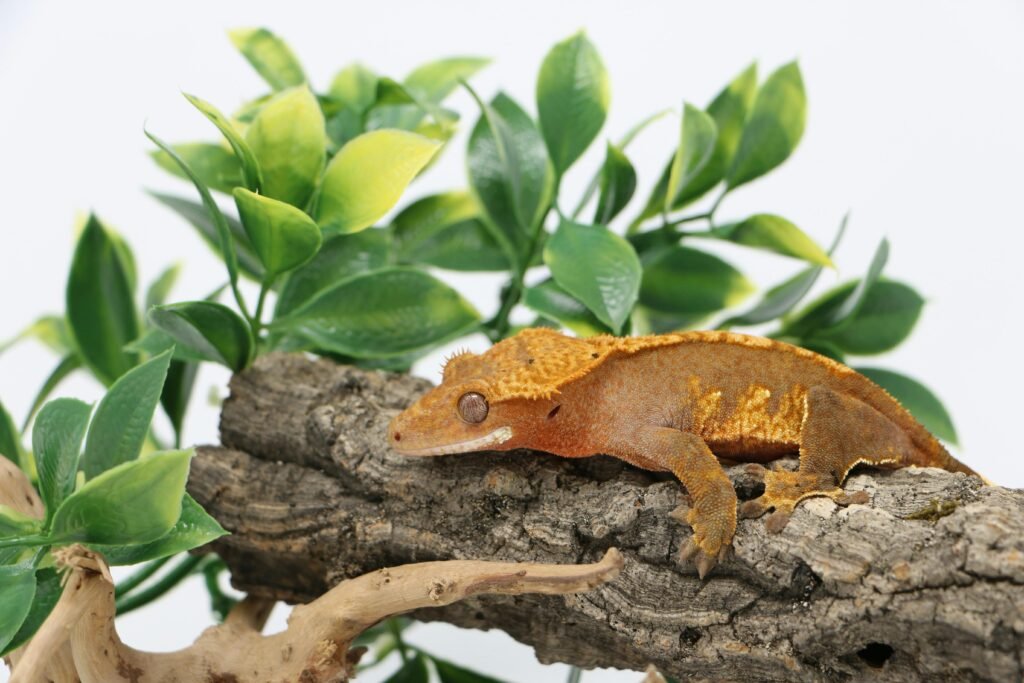
Examine your gecko’s body condition closely. A healthy crested gecko should have a plump, rounded tail that stores fat reserves. The body should appear robust without visible hip bones or an overly thin appearance. Check for stuck shed on toes, tail tip, and around the eyes. Incomplete sheds can restrict blood flow to extremities and cause serious problems if left unaddressed.
Join thousands of successful reptile owners
Try ReptileCoach Free →Observe your gecko’s skin quality and color. The skin should appear smooth and vibrant, with colors appropriate to the individual’s morph. Dull coloration, unusual spots, or texture changes may indicate health issues or improper husbandry. Look carefully at the vent area to ensure it’s clean and free from swelling or debris. Check all toes to confirm they’re intact and not showing signs of retained shed or injury.
Dietary Review and Nutrition Optimization
Take time during your yearly review to evaluate your crested gecko’s diet comprehensively. If you’re using a commercial crested gecko diet powder, check expiration dates on all containers. These powdered diets can lose nutritional value over time, especially if not stored properly. Replace any expired products and commit to purchasing smaller quantities that you’ll use within recommended timeframes.
Assess the variety in your gecko’s diet. While commercial diets provide complete nutrition, many crested geckos benefit from occasional supplementation with gut-loaded insects like crickets, dubia roaches, or black soldier fly larvae. If you haven’t been offering insects, consider incorporating them once or twice weekly for adult geckos. Conversely, if you’ve been over-relying on insects, ensure your gecko is also receiving adequate amounts of fruit-based commercial diet.
Review your supplementation practices. Even with high-quality commercial diets, some keepers choose to lightly dust insects with calcium and vitamin supplements. Verify that your supplements haven’t expired and that you’re using products specifically formulated for crested geckos or similar frugivorous reptiles. Over-supplementation can be as problematic as deficiency, so ensure you’re following evidence-based guidelines.
"This app saved my bearded dragon's life. The AI caught early MBD in photos I thought looked completely normal. Worth every penny!"
— Sarah K., ReptileCoach User
Get Your Free 7-Day Trial →Husbandry Schedule and Record Keeping
Your yearly review is an excellent opportunity to evaluate and improve your record-keeping systems. Detailed records help you track patterns, identify problems early, and provide valuable information to veterinarians if health issues arise. At minimum, your records should include feeding schedules, weights, shed cycles, and any unusual behaviors or health concerns.
Create or update a maintenance schedule for the coming year. Daily tasks include misting, feeding, and spot cleaning. Weekly responsibilities typically involve more thorough cleaning of food dishes and removing waste. Monthly tasks might include deep cleaning décor items and checking equipment function. Having a written schedule helps ensure consistent care throughout the year.
Review your emergency preparedness plan. Do you have contact information for an experienced reptile veterinarian readily available? Have you assembled a basic first-aid kit with items like sterile saline solution, small transport containers, and heat packs for emergency transport in cold weather? Consider what you would do if power outages, natural disasters, or personal emergencies prevented you from providing normal care.
Environmental Parameters and Monitoring
Temperature and humidity control form the foundation of proper crested gecko care. During your yearly review, take detailed measurements of environmental conditions throughout the enclosure at different times of day. Use multiple thermometers placed at various heights to identify temperature gradients. Crested geckos require daytime temperatures between 72-78°F with nighttime drops to 65-72°F.
Worried About Your Reptile's Health?
Upload a photo and get instant AI health analysis. Catch problems before they become expensive vet bills.
Get Free Health Check →Humidity deserves equally careful attention. Measure humidity levels in the morning after misting, during the day, and in the evening before lights out. Crested geckos thrive with humidity levels between 50-70%, spiking to 80-100% after misting. If you’re struggling to maintain appropriate humidity, consider whether your misting schedule needs adjustment or if the enclosure requires better moisture retention through substrate changes or additional live plants.
Document seasonal variations in your home’s ambient temperature and humidity. Many keepers find they need to adjust their care routines between summer and winter months. Understanding these patterns helps you anticipate and proactively address environmental challenges before they impact your gecko’s health.
Common Issues and Course Corrections
Use your yearly review to honestly assess common beginner mistakes you might still be making. Are you handling your crested gecko too frequently, causing unnecessary stress? Many new keepers struggle to resist the temptation to interact with their pet daily, but crested geckos generally prefer minimal handling. Limit handling sessions to once or twice weekly for no more than 10-15 minutes.
Evaluate your feeding practices critically. Overfeeding is surprisingly common with crested geckos, particularly when owners leave food available 24/7. Most adult crested geckos do well with feeding three to four times per week. Remove uneaten food after 24 hours to prevent spoilage and discourage overeating. If your gecko has become overweight, gradually reduce feeding frequency and portion sizes.
Never Miss Early Warning Signs
AI photo analysis catches subtle health issues humans miss 80% of the time. Early detection = healthier reptile + lower vet bills.
Start Free Trial →Consider whether you’ve been changing care practices too frequently based on contradictory information found online. While staying informed is important, constantly tweaking husbandry based on every article or video you encounter can stress both you and your gecko. Establish evidence-based care routines and stick with them consistently unless clear problems arise.
Planning for Year Ahead
Conclude your yearly review by setting specific goals for the coming twelve months. Perhaps you want to transition to a bioactive enclosure, upgrade to a larger habitat, or improve your record-keeping systems. Maybe you’d like to establish a relationship with a qualified reptile veterinarian or connect with other crested gecko keepers in your area for support and knowledge sharing.
Create a budget for anticipated expenses over the next year. Factor in replacement costs for equipment that may fail, routine supplies like food and substrate, and potential veterinary visits. Setting aside money each month makes unexpected expenses less stressful and ensures you can always provide excellent care regardless of financial fluctuations.
Consider documenting your gecko’s progress through photos taken at regular intervals. Many keepers find it rewarding to watch their gecko mature and develop its adult coloration over time. These photos also serve practical purposes, helping you track growth, identify health changes, and showcase proper care if you ever need to rehome your gecko.
Join thousands of successful reptile owners
Try ReptileCoach Free →Conclusion
Conducting a comprehensive yearly care review transforms you from a casual keeper into a truly dedicated crested gecko guardian. By systematically examining every aspect of your gecko’s environment, health, and care routine, you ensure that your pet receives consistently excellent husbandry year after year. This annual assessment helps you catch small problems before they become serious, validates what you’re doing right, and identifies areas where improvements will benefit your gecko’s wellbeing. Remember that crested geckos can live 15-20 years with proper care, and establishing the habit of yearly reviews early in your journey sets the foundation for a long, healthy life for your remarkable pet. Take the time to complete this review thoroughly, implement the improvements you identify, and approach the coming year with renewed confidence in your ability to provide outstanding care for your crested gecko.
Ready to Give Your Reptile the Best Care?
Stop guessing and start knowing. Get personalized AI-powered care guidance, photo health analysis, and 24/7 expert advice for YOUR specific reptile.
Get Personalized Care Guidance
AI-powered photo analysis and daily care tracking for YOUR reptile
Try Free for 7 Days →