
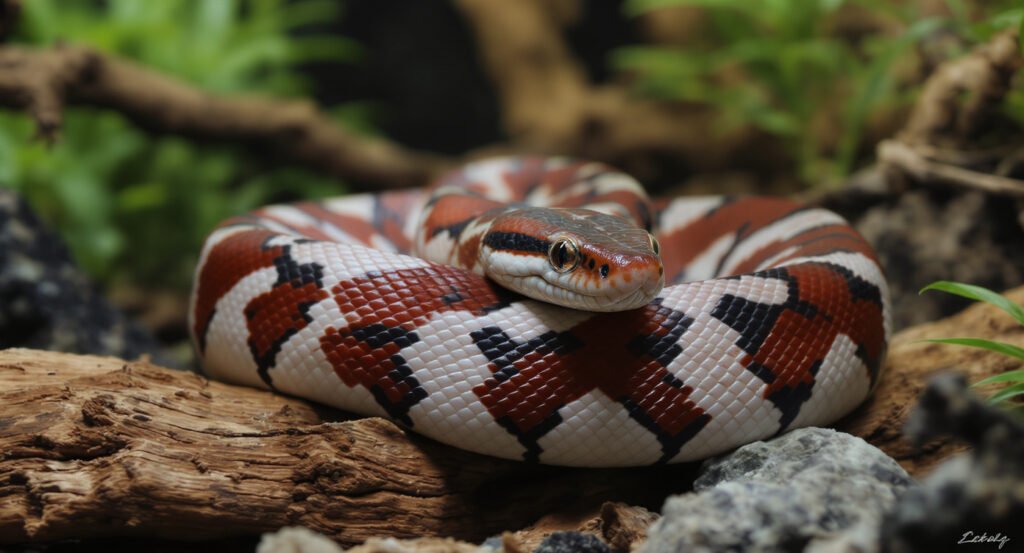
Milk snakes are among the most popular pet snakes for beginners, and for good reason. These beautiful, docile serpents feature striking red, black, and white banding patterns that mimic venomous coral snakes, yet they’re completely harmless and easy to care for. If you’re considering adding a milk snake to your family, this comprehensive care guide will set you up for success.
Why Milk Snakes Make Perfect First Pet Snakes
Before diving into care requirements, let’s explore why milk snakes are ideal for beginner reptile keepers. These North American constrictors typically reach 3-4 feet in length, making them manageable for most snake enthusiasts. They have calm temperaments, rarely bite, and adapt well to captive conditions. With proper care, milk snakes can live 15-20 years, providing companionship for many years to come.
Setting Up the Perfect Milk Snake Habitat
Creating an appropriate enclosure is crucial for your milk snake’s health and wellbeing. Let’s break down everything you need to know about habitat setup.
Enclosure Size and Type
For adult milk snakes, a 20-gallon long terrarium is the minimum recommended size, though a 30-40 gallon enclosure is ideal. Hatchlings can start in smaller 10-gallon tanks to help them feel secure. Glass terrariums with secure screen tops work best, as they maintain humidity while providing adequate ventilation. Remember: milk snakes are notorious escape artists, so ensure your enclosure has a locking lid.
Worried About Your Reptile's Health?
Upload a photo and get instant AI health analysis. Catch problems before they become expensive vet bills.
Get Free Health Check →Substrate Selection
The substrate forms the foundation of your snake’s environment. Aspen shavings are the gold standard for milk snakes, as they’re absorbent, dust-free, and allow natural burrowing behavior. Cypress mulch and paper-based substrates also work well. Avoid cedar and pine shavings, which contain harmful oils that can cause respiratory issues.
Temperature and Lighting Requirements
Milk snakes are cold-blooded and require a thermal gradient to regulate their body temperature. The warm side of the enclosure should maintain 85-90°F, while the cool side should stay around 75-80°F. Use an under-tank heating pad or heat tape controlled by a thermostat to achieve these temperatures. While milk snakes don’t require UVB lighting, a day/night cycle with ambient room lighting helps maintain natural circadian rhythms.
Hiding Spots and Enrichment
Provide at least two hiding spots—one on the warm side and one on the cool side—to help your snake feel secure. Commercial reptile caves, cork bark, or even cardboard boxes work perfectly. Add some climbing branches and artificial plants to create environmental enrichment, though milk snakes are primarily terrestrial.
Water and Humidity
A shallow water dish large enough for your snake to soak in should always be available. Change the water daily to maintain cleanliness. Milk snakes thrive at 40-60% humidity, which can be monitored with a digital hygrometer. Mist the enclosure lightly during shedding periods to aid in the process.
Never Miss Early Warning Signs
AI photo analysis catches subtle health issues humans miss 80% of the time. Early detection = healthier reptile + lower vet bills.
Start Free Trial →Feeding Your Milk Snake: A Complete Nutrition Guide
Milk snakes are carnivorous constrictors that feed exclusively on whole prey items in captivity.
What to Feed
Feed appropriately-sized frozen-thawed mice or rats. The prey item should be roughly the same diameter as the widest part of your snake’s body. Hatchlings start with pinky mice, graduating to larger sizes as they grow. Never feed live prey, as it can injure your snake.
Feeding Schedule
Young milk snakes (under one year) should eat every 5-7 days. Adults can be fed every 7-10 days. Some keepers prefer slightly larger meals less frequently for adults. After feeding, avoid handling your snake for 48 hours to prevent regurgitation.
Feeding Tips
Thaw frozen prey in warm water (never microwave it) until it reaches room temperature or slightly warmer. Use feeding tongs to offer prey, moving it slightly to trigger your snake’s feeding response. If your snake refuses food, don’t panic—snakes can safely skip meals, especially during shedding or breeding season.
Join thousands of successful reptile owners
Try ReptileCoach Free →Handling Your Milk Snake Properly
Milk snakes generally tolerate handling well, making them excellent interactive pets. Wait 5-7 days after bringing your new snake home before attempting to handle it, allowing time to settle in. Start with brief 5-10 minute sessions, gradually increasing duration as your snake becomes comfortable.
Always support your snake’s body with both hands, allowing it to move freely through your fingers. Avoid sudden movements and never grab from above, which mimics predator behavior. Handle your milk snake 2-3 times per week to maintain tameness, but recognize signs of stress like musking, hissing, or defensive striking.
Health Monitoring and Common Issues
Prevention is the best medicine when it comes to reptile health. Monitor your milk snake regularly for signs of illness.
Signs of a Healthy Milk Snake
A healthy milk snake has clear eyes (except during shed), smooth scales, a rounded body shape, and regular feeding responses. They should be alert and active during evening hours.
"This app saved my bearded dragon's life. The AI caught early MBD in photos I thought looked completely normal. Worth every penny!"
— Sarah K., ReptileCoach User
Get Your Free 7-Day Trial →Common Health Concerns
Respiratory infections, indicated by wheezing, bubbling around the mouth, or lethargy, often result from improper temperatures or humidity. Mites appear as tiny black or red dots crawling on your snake. Scale rot develops from excessively moist conditions. Addressing husbandry issues quickly prevents most health problems.
Finding a Reptile Veterinarian
Locate a qualified reptile veterinarian before emergencies arise. Annual check-ups help catch potential issues early. If you notice any concerning symptoms, seek professional veterinary care immediately.
Tracking Your Milk Snake’s Care
Successful reptile keeping requires consistent monitoring and record-keeping. Track feeding schedules, shed cycles, weight changes, and behavioral patterns to identify potential problems early. Modern reptile care apps like ReptileCoach make it easy to log care activities, set feeding reminders, and maintain comprehensive health records—all essential tools for ensuring your milk snake thrives.
Final Thoughts on Milk Snake Care
Milk snakes represent an excellent entry point into reptile keeping. Their manageable size, docile nature, and straightforward care requirements make them forgiving for beginners while remaining engaging for experienced keepers. By providing proper housing, nutrition, and routine care, you’ll enjoy many years with your stunning serpent companion. Remember that patience and consistency are key—your milk snake will reward your dedication with years of fascinating behavior and beauty.
Worried About Your Reptile's Health?
Upload a photo and get instant AI health analysis. Catch problems before they become expensive vet bills.
Get Free Health Check →Ready to Give Your Reptile the Best Care?
Stop guessing and start knowing. Get personalized AI-powered care guidance, photo health analysis, and 24/7 expert advice for YOUR specific reptile.
Get Personalized Care Guidance
AI-powered photo analysis and daily care tracking for YOUR reptile
Try Free for 7 Days →