
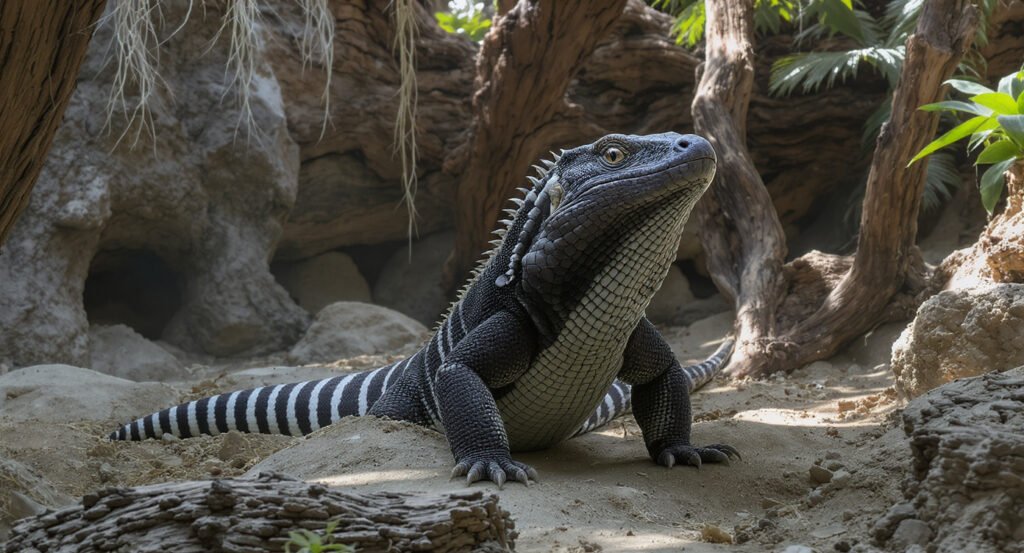
Tegus are intelligent, personable lizards that make rewarding pets for experienced reptile keepers. These large South American lizards can grow up to 4 feet long and live 15-20 years with proper care. Whether you’re considering a black and white Argentine tegu or a red tegu, understanding their specific needs is essential for keeping them healthy and thriving.
Understanding Tegu Behavior and Temperament
Tegus are known for their dog-like personalities and can form strong bonds with their owners. They’re highly intelligent and can be trained to recognize their names, walk on leashes, and even use litter boxes. However, they require significant time investment for socialization and handling, especially during their first year. Young tegus may be skittish or defensive, but with consistent, gentle handling, they typically become docile and interactive pets.
Setting Up the Perfect Tegu Habitat
Creating an appropriate enclosure is crucial for your tegu’s health and wellbeing. Adult tegus need substantial space to move, explore, and thermoregulate properly.
Enclosure Size and Type
A minimum enclosure size of 8 feet long by 4 feet wide by 4 feet tall is recommended for adult tegus. Juveniles can start in smaller enclosures (4x2x2 feet) but will quickly outgrow them. Many keepers opt for custom-built enclosures or converted closets to provide adequate space. The enclosure should be escape-proof with secure latches, as tegus are strong and clever enough to push open poorly secured doors.
Worried About Your Reptile's Health?
Upload a photo and get instant AI health analysis. Catch problems before they become expensive vet bills.
Get Free Health Check →Temperature and Lighting
Tegus are ectothermic and rely on external heat sources to regulate their body temperature. Provide a basking spot of 100-110°F with a cool side around 75-80°F. Nighttime temperatures can drop to 70-75°F. Use a combination of heat lamps, ceramic heat emitters, or radiant heat panels to achieve these temperatures. UVB lighting is essential for calcium metabolism and overall health. Provide a 10-12% UVB bulb running the length of the enclosure, replaced every 6-12 months even if still producing visible light.
Substrate and Furnishings
Choose a substrate that holds humidity and allows for natural digging behavior. Cypress mulch, coconut coir, or a mixture of topsoil and play sand work well. Provide a substrate depth of at least 6-8 inches to accommodate burrowing. Include a large water dish for soaking, multiple hiding spots, sturdy branches for climbing, and various enrichment items to keep your tegu mentally stimulated.
Tegu Diet and Nutrition
Tegus are omnivores with dietary needs that change as they mature. A varied, balanced diet is key to preventing nutritional deficiencies and obesity.
Feeding Juveniles
Young tegus (under 2 years) require a protein-heavy diet consisting of about 70-80% animal matter and 20-30% plant matter. Offer appropriately sized insects like dubia roaches, crickets, and hornworms daily. Supplement with occasional pinky mice, ground turkey, or chicken. Dust all feeder insects with calcium powder (with D3) at every feeding and use a multivitamin supplement twice weekly.
Never Miss Early Warning Signs
AI photo analysis catches subtle health issues humans miss 80% of the time. Early detection = healthier reptile + lower vet bills.
Start Free Trial →Adult Tegu Diet
As tegus mature, shift their diet to approximately 50% protein and 50% fruits and vegetables. Protein sources include whole prey items (mice, rats, chicks), eggs, fish, and lean meats. Vegetables like collard greens, mustard greens, butternut squash, and bell peppers provide essential nutrients. Fruits such as berries, mango, and papaya can be offered as treats. Feed adults 3-4 times per week, adjusting portions based on body condition.
Foods to Avoid
Never feed tegus avocado, rhubarb, or wild-caught insects that may contain pesticides. Limit high-oxalate vegetables like spinach, and avoid processed human foods, dairy products, and dog or cat food as staples.
Health and Wellness
Regular health monitoring helps catch potential issues early. Watch for signs of illness including lethargy, loss of appetite, abnormal feces, respiratory issues, or changes in skin condition.
Common Health Issues
Metabolic bone disease (MBD) results from inadequate calcium, vitamin D3, or UVB exposure. Symptoms include soft jaw, tremors, and difficulty walking. Respiratory infections may develop from improper temperatures or humidity. Parasites are common in wild-caught or improperly kept tegus. Obesity can occur from overfeeding or lack of exercise.
Join thousands of successful reptile owners
Try ReptileCoach Free →Veterinary Care
Establish a relationship with a reptile veterinarian before emergencies arise. Schedule annual wellness exams and fecal tests to check for parasites. Bring your tegu in immediately if you notice concerning symptoms.
Brumation Considerations
Many tegus undergo brumation, a hibernation-like state, during winter months. This natural process typically lasts 4-6 months. During this time, tegus eat little to nothing and remain mostly inactive. Provide a cooler area (50-60°F) with access to water. Not all captive tegus brumate, and forcing brumation isn’t necessary for health.
Get Personalized Care Support
Caring for a tegu requires dedication, proper knowledge, and ongoing attention to their complex needs. Every tegu is unique, and having expert guidance tailored to your specific situation can make all the difference in providing optimal care. Try ReptileCoach for personalized reptile care advice that helps you navigate feeding schedules, habitat adjustments, health concerns, and behavioral questions. With ReptileCoach, you’ll have a knowledgeable partner supporting you through every stage of your tegu’s life, ensuring they receive the best possible care and thrive for years to come.
Ready to Give Your Reptile the Best Care?
Stop guessing and start knowing. Get personalized AI-powered care guidance, photo health analysis, and 24/7 expert advice for YOUR specific reptile.
Get Personalized Care Guidance
AI-powered photo analysis and daily care tracking for YOUR reptile
Try Free for 7 Days →