
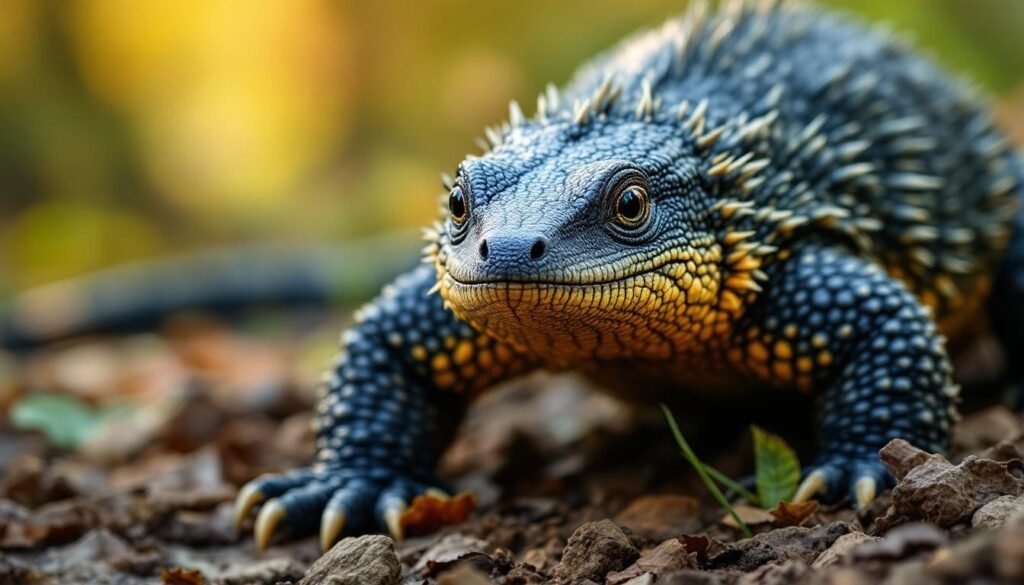
Introduction to Tegu Lizards
Tegus are intelligent, large-bodied lizards native to South America that have become increasingly popular as exotic pets. These impressive reptiles can grow up to 4-5 feet in length and are known for their dog-like personalities and ability to form strong bonds with their owners. However, their size and specific care requirements mean they’re best suited for experienced reptile keepers who can provide the space, time, and resources these magnificent creatures need.
Tegu Species and Lifespan
The most common species kept as pets are the Argentine Black and White Tegu and the Red Tegu. Both species can live 15-20 years in captivity with proper care, making them a long-term commitment. Argentine Black and White Tegus are typically more docile and easier to handle, while Red Tegus tend to be more active and require slightly warmer temperatures.
Housing Requirements
Tegus require substantial enclosures due to their large size and active nature. A juvenile tegu can start in a 75-gallon enclosure, but adults need a minimum of 8x4x4 feet of space. Many keepers opt for custom-built enclosures or converted closets to provide adequate room.
Enclosure Setup
- Substrate: Use a moisture-retaining substrate like cypress mulch, coconut coir, or a soil mixture at least 6-8 inches deep for burrowing
- Temperature gradient: Basking spot of 100-110°F with a cool side around 75-80°F
- Humidity: Maintain 60-80% humidity with regular misting
- Lighting: Provide UVB lighting (10-12% output) for 12-14 hours daily
- Hide boxes: Offer at least one hide on each end of the temperature gradient
- Water dish: Provide a large, sturdy water dish for soaking
Diet and Nutrition
Tegus are omnivores with hearty appetites. A balanced diet is crucial for their health and longevity. Young tegus are more carnivorous, while adults benefit from increased plant matter in their diet.
Worried About Your Reptile's Health?
Upload a photo and get instant AI health analysis. Catch problems before they become expensive vet bills.
Get Free Health Check →Protein Sources
- Whole prey items: Mice, rats, chicks, and quail
- Insects: Dubia roaches, crickets, superworms, and hornworms
- Eggs: Whole raw or cooked eggs (including shell)
- Lean meats: Chicken, turkey, or fish (occasional treats)
Plant Matter
- Leafy greens: Collard greens, mustard greens, turnip greens
- Vegetables: Squash, bell peppers, green beans
- Fruits: Berries, melon, mango (10% of diet)
Feed juveniles daily, while adults can be fed 3-4 times per week. Always dust food with calcium powder (with D3 if not using UVB) and provide a multivitamin supplement once weekly.
Handling and Temperament
Tegus are known for their intelligence and can become quite tame with regular, gentle handling. Start handling sessions when your tegu is young, keeping them brief at first and gradually increasing duration as trust builds. Always support their entire body and avoid grabbing from above, which can trigger a defensive response.
Signs of a content tegu include relaxed body language, tongue flicking (exploring), and willingness to be handled. Hissing, tail whipping, or attempting to bite indicate stress or discomfort. Never force interaction, and always wash your hands before and after handling.
Brumation
Tegus naturally brumate (similar to hibernation) during winter months. This period typically lasts 4-6 months, during which your tegu will eat less, become lethargic, and eventually stop eating entirely. Gradually reduce temperatures and daylight hours to facilitate brumation. Provide a deep substrate for burrowing and check on your tegu weekly to ensure they remain healthy. Not all captive tegus brumate, but many do, and it’s considered beneficial for their long-term health.
Never Miss Early Warning Signs
AI photo analysis catches subtle health issues humans miss 80% of the time. Early detection = healthier reptile + lower vet bills.
Start Free Trial →Common Health Issues
Regular veterinary checkups with a reptile-experienced vet are essential. Watch for these common health concerns:
- Metabolic Bone Disease: Caused by calcium/vitamin D3 deficiency; symptoms include lethargy, tremors, and deformed bones
- Respiratory infections: Signs include wheezing, mucus around nostrils, and open-mouth breathing
- Parasites: Both internal and external parasites are common; annual fecal exams are recommended
- Obesity: Overfeeding can lead to fatty liver disease and shortened lifespan
- Retained shed: Ensure proper humidity to prevent stuck shed, especially around toes and tail tip
Legal Considerations
Before acquiring a tegu, check your local laws. Some states and municipalities have restrictions or outright bans on keeping tegus due to their potential as an invasive species. Always purchase from reputable breeders rather than wild-caught specimens, and never release a pet tegu into the wild.
Conclusion
Caring for a tegu is a rewarding but demanding responsibility. These intelligent reptiles require significant space, proper nutrition, and consistent interaction to thrive. With the right setup and dedication, tegus make fascinating companions that can live for two decades. Whether you’re a prospective owner researching these amazing lizards or a current keeper looking to optimize your care routine, remember that every tegu is an individual with unique needs and personality.
Ready to take your reptile care to the next level? Track your reptile with ReptileCoach and never miss a feeding, health check, or important care milestone again!
Join thousands of successful reptile owners
Try ReptileCoach Free →Ready to Give Your Reptile the Best Care?
Stop guessing and start knowing. Get personalized AI-powered care guidance, photo health analysis, and 24/7 expert advice for YOUR specific reptile.
Get Personalized Care Guidance
AI-powered photo analysis and daily care tracking for YOUR reptile
Try Free for 7 Days →