Understanding Your Uromastyx’s Nutritional Needs
Uromastyx lizards, also known as spiny-tailed lizards, are herbivorous reptiles native to arid regions of North Africa and the Middle East. Their diet in captivity should closely mimic what they consume in the wild: primarily leafy greens, vegetables, seeds, and occasional flowers. Providing the right nutrition is essential for maintaining your uromastyx’s health, vibrant coloration, and longevity.
Unlike many other popular pet lizards, uromastyx are strict herbivores once they reach adulthood. This makes their dietary requirements unique and relatively straightforward once you understand the basics. A well-balanced diet will support proper growth, strong bones, healthy digestion, and an active lifestyle.
Best Foods for Your Uromastyx
The foundation of a healthy uromastyx diet consists of dark leafy greens and vegetables. These should make up approximately 90-95% of their daily food intake. The remaining 5-10% can include seeds, lentils, and occasional treats.
Recommended Leafy Greens
- Collard greens
- Turnip greens
- Mustard greens
- Dandelion greens
- Endive
- Escarole
- Arugula
- Watercress
Suitable Vegetables
- Butternut squash
- Acorn squash
- Yellow squash
- Bell peppers (red, yellow, orange)
- Carrots (shredded, occasional)
- Green beans
- Okra
- Peas
Seeds and Legumes
- Lentils (dried or sprouted)
- Millet
- Grass seeds
- Bird seed mix (without sunflower seeds)
Foods to Avoid
Certain foods can be harmful to your uromastyx and should be avoided entirely. Some vegetables contain high levels of oxalates or goitrogens that can interfere with calcium absorption or thyroid function.
Worried About Your Reptile's Health?
Upload a photo and get instant AI health analysis. Catch problems before they become expensive vet bills.
Get Free Health Check →- Spinach (high oxalates)
- Kale (high oxalates and goitrogens)
- Cabbage (goitrogens)
- Broccoli (goitrogens)
- Iceberg lettuce (no nutritional value)
- Avocado (toxic)
- Rhubarb (toxic)
- Any animal protein or insects
- Citrus fruits
- High-sugar fruits
Feeding Schedule and Portion Sizes
Adult uromastyx should be fed daily, with food offered in the morning after they’ve had time to bask and raise their body temperature. This timing aligns with their natural behavior and ensures proper digestion.
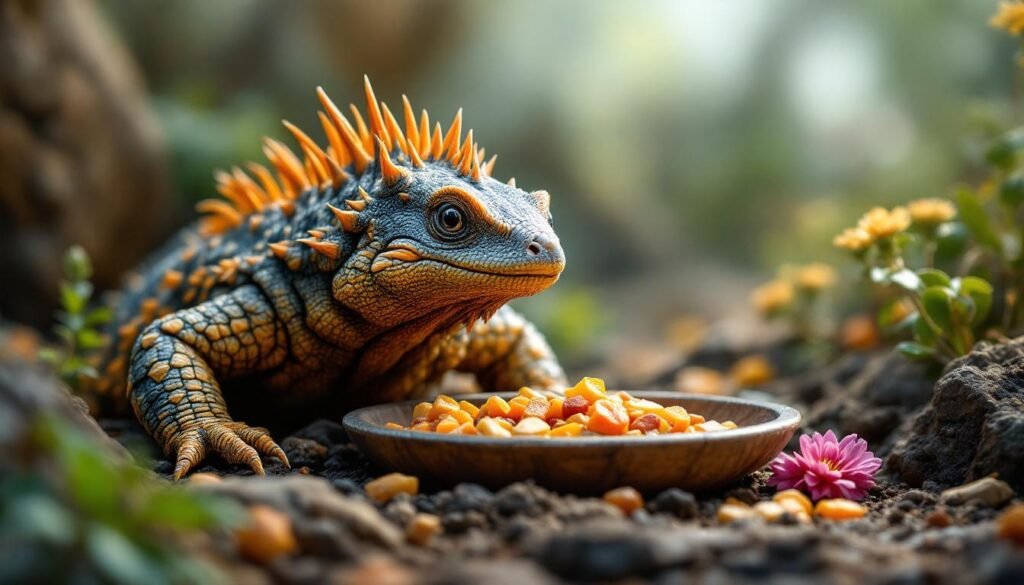
Offer a salad bowl that’s approximately the size of your uromastyx’s body. They should be able to eat as much as they want during their active period. Remove any uneaten food after 12 hours to prevent spoilage and maintain enclosure hygiene.
Juvenile uromastyx (under one year) should be fed daily with slightly smaller portions. As they grow, you can gradually increase portion sizes to match their body size and appetite.
Preparing Food Properly
Proper food preparation ensures your uromastyx can easily consume and digest their meals. Chop all greens and vegetables into small, bite-sized pieces appropriate for your lizard’s size. As a general rule, pieces should be no larger than the space between your uromastyx’s eyes.
Never Miss Early Warning Signs
AI photo analysis catches subtle health issues humans miss 80% of the time. Early detection = healthier reptile + lower vet bills.
Start Free Trial →Mix different greens and vegetables together to create variety and ensure balanced nutrition. Rotate the types of greens you offer throughout the week to provide diverse nutrients and prevent dietary boredom.
Always wash all produce thoroughly to remove pesticides and contaminants. Organic produce is preferable when available, especially for frequently fed staples like collard greens and dandelion greens.
Supplementation Requirements
While a varied diet provides most necessary nutrients, calcium supplementation is crucial for uromastyx health. Dust food with calcium powder 2-3 times per week for adults and 4-5 times per week for juveniles.
Use calcium powder without vitamin D3 if your uromastyx has access to proper UVB lighting, as they’ll synthesize vitamin D3 naturally. If UVB lighting is inadequate, use calcium with D3, but monitor carefully to avoid over-supplementation.
Join thousands of successful reptile owners
Try ReptileCoach Free →A multivitamin supplement should be offered once per week. This ensures your uromastyx receives trace minerals and vitamins that might be lacking in their primary diet.
Hydration Needs
Uromastyx obtain most of their water from the fresh vegetables they consume. However, providing a shallow water dish is still recommended, especially for younger lizards or during shedding periods.
Many uromastyx rarely drink from water dishes, which is normal behavior. The moisture content in their greens typically provides adequate hydration. You can also lightly mist their food occasionally to increase water intake.
Common Dietary Mistakes
New uromastyx owners often make several common feeding errors. Avoid offering too much fruit, as the high sugar content can lead to digestive issues and obesity. While small amounts of cactus pad or flowers can be offered occasionally, they shouldn’t be dietary staples.
"This app saved my bearded dragon's life. The AI caught early MBD in photos I thought looked completely normal. Worth every penny!"
— Sarah K., ReptileCoach User
Get Your Free 7-Day Trial →Another mistake is feeding inappropriate protein sources. Adult uromastyx are strict herbivores and should never be fed insects, meat, or commercial diets designed for omnivorous lizards. Protein from plant sources in seeds and lentils is sufficient.
Overfeeding is less common with uromastyx than underfeeding, but monitor your lizard’s body condition. A healthy uromastyx should have a rounded, full tail base without appearing obese.
Track Your Uromastyx’s Health
Maintaining a proper diet is just one aspect of uromastyx care. Monitoring feeding schedules, weight changes, and overall health helps ensure your spiny-tailed lizard thrives in captivity. Consistent record-keeping allows you to identify potential issues early and adjust care as needed.
Ready to take your reptile care to the next level? Track your reptile with ReptileCoach and maintain detailed health records, feeding schedules, and care reminders all in one convenient place.
Worried About Your Reptile's Health?
Upload a photo and get instant AI health analysis. Catch problems before they become expensive vet bills.
Get Free Health Check →Ready to Give Your Reptile the Best Care?
Stop guessing and start knowing. Get personalized AI-powered care guidance, photo health analysis, and 24/7 expert advice for YOUR specific reptile.
Get Personalized Care Guidance
AI-powered photo analysis and daily care tracking for YOUR reptile
Try Free for 7 Days →