
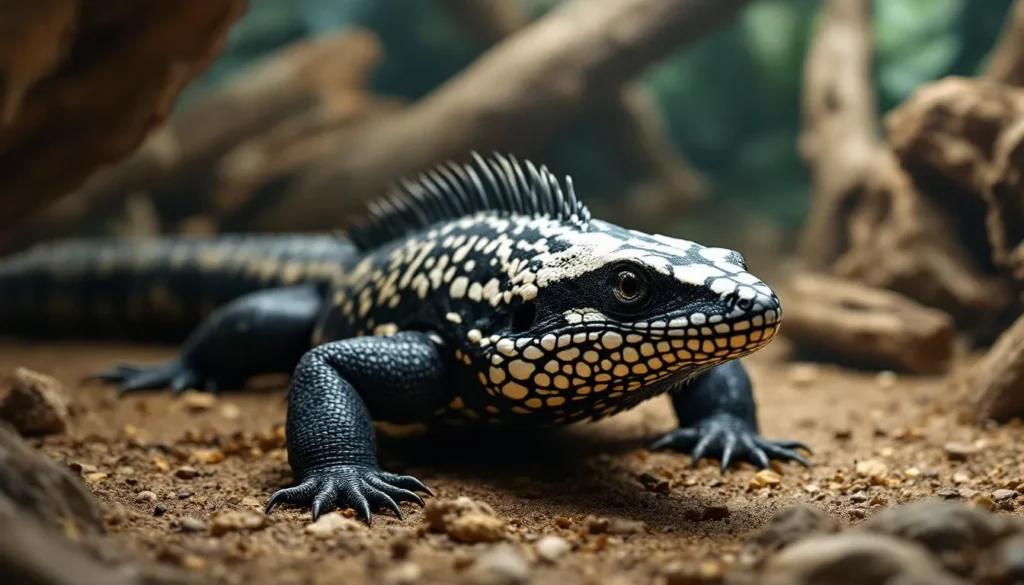
Tegus are among the most intelligent and personable lizards you can keep as pets. These large, powerful reptiles from South America have captured the hearts of reptile enthusiasts worldwide with their dog-like personalities and impressive cognitive abilities. Whether you’re considering your first tegu or looking to refine your care techniques, this comprehensive tegu care guide will help you provide the best possible environment for these remarkable creatures.
Understanding Tegu Species
Before diving into care requirements, it’s important to know which tegu species you’re working with. The most common pet tegus include the Argentine Black and White Tegu, Red Tegu, and Colombian Gold Tegu. Argentine Black and White Tegus are the most popular choice for beginners due to their hardiness and availability. These lizards can grow between 3 to 4.5 feet in length, with males typically being larger than females.
Tegus are known for their intelligence and can recognize their owners, learn routines, and even be trained to respond to their names. This cognitive ability makes them incredibly rewarding pets but also means they require significant mental stimulation and interaction.
Housing Requirements for Tegus
Enclosure Size
Tegus need substantial space to thrive. For a juvenile tegu, start with an enclosure that’s at least 6 feet long by 3 feet wide. However, adult tegus require much larger accommodations—ideally an enclosure measuring 8 feet long by 4 feet wide by 4 feet tall, or even a dedicated reptile room. Many experienced tegu keepers convert closets or build custom enclosures to meet these space requirements.
Worried About Your Reptile's Health?
Upload a photo and get instant AI health analysis. Catch problems before they become expensive vet bills.
Get Free Health Check →Remember that tegus are active, curious lizards that need room to explore, dig, and move around. Cramped conditions can lead to stress, obesity, and behavioral problems.
Substrate Options
Choosing the right substrate is crucial for tegu care. These lizards love to dig and burrow, so you’ll need a substrate that supports this natural behavior. Popular options include:
- Cypress mulch: Retains humidity well and allows for burrowing
- Coconut coir: Excellent for humidity and digging
- Topsoil and sand mixture: Mimics natural habitat when mixed in a 70/30 ratio
- Reptile-safe mulch blends: Commercially available options designed for large lizards
Avoid substrates like pine or cedar shavings, which can be toxic to reptiles. The substrate layer should be at least 6-8 inches deep to allow for proper burrowing behavior.
Temperature and Lighting
Proper temperature gradients are essential for tegu health. Your enclosure should have a basking spot reaching 100-110°F, with the cool end staying around 75-80°F. Nighttime temperatures can drop to 70-75°F. Use high-quality thermometers at both ends of the enclosure to monitor these temperatures accurately.
Never Miss Early Warning Signs
AI photo analysis catches subtle health issues humans miss 80% of the time. Early detection = healthier reptile + lower vet bills.
Start Free Trial →Tegus require UVB lighting to synthesize vitamin D3 and properly metabolize calcium. Provide a high-output UVB bulb (10-12% UVB) that spans at least two-thirds of the enclosure length. Replace UVB bulbs every 6-12 months, as their effectiveness diminishes over time even when they still produce visible light.
Maintain a photoperiod of 12-14 hours of light during active months. During brumation season (typically winter months), gradually reduce this to 8-10 hours.
Feeding Your Tegu
Tegus are omnivores with hearty appetites. A balanced tegu diet includes:
- Protein sources: Whole prey items like mice, rats, chicks, and insects (dubia roaches, superworms, hornworms)
- Fruits: Berries, mango, papaya, melon (about 10-20% of diet)
- Vegetables: Leafy greens, squash, bell peppers (about 20-30% of diet)
- Eggs: Whole eggs with shells provide excellent nutrition
Young tegus need daily feeding with a protein-heavy diet to support their rapid growth. Adults can be fed 3-4 times per week. Always dust feeder insects with calcium powder and provide a multivitamin supplement 1-2 times weekly.
Join thousands of successful reptile owners
Try ReptileCoach Free →Avoid feeding tegus processed meats, dog or cat food, or wild-caught insects that may contain pesticides. Fresh water should always be available in a large, sturdy bowl that your tegu can’t easily tip over.
Humidity and Hydration
Maintaining proper humidity levels is critical for healthy shedding and respiratory function. Tegus need humidity levels between 60-80%. Monitor humidity with a reliable hygrometer and maintain levels through:
- Regular misting of the enclosure
- Moisture-retaining substrate
- Large water bowls that increase ambient humidity
- Humid hide boxes filled with damp sphagnum moss
During shedding periods, you may need to increase humidity slightly to help the process along. Incomplete sheds can lead to circulation problems, especially around toes and tail tips.
Handling and Socialization
One of the most rewarding aspects of tegu ownership is their capacity for bonding with their keepers. Start handling sessions when your tegu is young, keeping them brief and positive. Support the entire body, especially the hindquarters, and never grab a tegu by the tail.
"This app saved my bearded dragon's life. The AI caught early MBD in photos I thought looked completely normal. Worth every penny!"
— Sarah K., ReptileCoach User
Get Your Free 7-Day Trial →Regular, gentle handling helps tegus become accustomed to human interaction. Many tegus enjoy being out of their enclosures and will seek attention from their owners. However, respect your tegu’s mood—if they show signs of stress like huffing, tail whipping, or attempting to flee, give them space.
Brumation Considerations
Tegus naturally brumate (a reptile form of hibernation) during winter months. During this period, they’ll eat less, become lethargic, and spend most of their time sleeping. This is completely normal and healthy. Reduce feeding frequency, lower temperatures slightly, and decrease light hours to support this natural cycle.
Some captive tegus may not fully brumate, especially in consistently warm environments. Follow your individual tegu’s cues rather than forcing brumation.
Health Monitoring
Regular health checks help catch problems early. Watch for signs of illness including:
Worried About Your Reptile's Health?
Upload a photo and get instant AI health analysis. Catch problems before they become expensive vet bills.
Get Free Health Check →- Loss of appetite lasting more than a few days (outside brumation)
- Labored breathing or wheezing
- Lethargy or weakness
- Abnormal feces or lack of bowel movements
- Swelling or lumps
- Difficulty shedding
Establish a relationship with a reptile veterinarian before problems arise. Annual check-ups can help ensure your tegu stays healthy for their 15-20 year lifespan.
Ready to track your reptile’s health and diet? Try the ReptileCoach App free — the all-in-one reptile care companion.
Final Thoughts on Tegu Care
Caring for a tegu is a significant commitment that requires proper space, equipment, and dedication. These intelligent lizards form strong bonds with their keepers and can provide years of companionship when their needs are met. By following this tegu care guide and continuously learning about your individual animal’s preferences, you’ll be well-equipped to provide an excellent home for one of the reptile world’s most engaging species.
Remember that every tegu has its own personality and preferences. Pay attention to your pet’s behavior, adjust care as needed, and enjoy the unique experience of keeping these remarkable reptiles.
Never Miss Early Warning Signs
AI photo analysis catches subtle health issues humans miss 80% of the time. Early detection = healthier reptile + lower vet bills.
Start Free Trial →Ready to Give Your Reptile the Best Care?
Stop guessing and start knowing. Get personalized AI-powered care guidance, photo health analysis, and 24/7 expert advice for YOUR specific reptile.
Get Personalized Care Guidance
AI-powered photo analysis and daily care tracking for YOUR reptile
Try Free for 7 Days →