
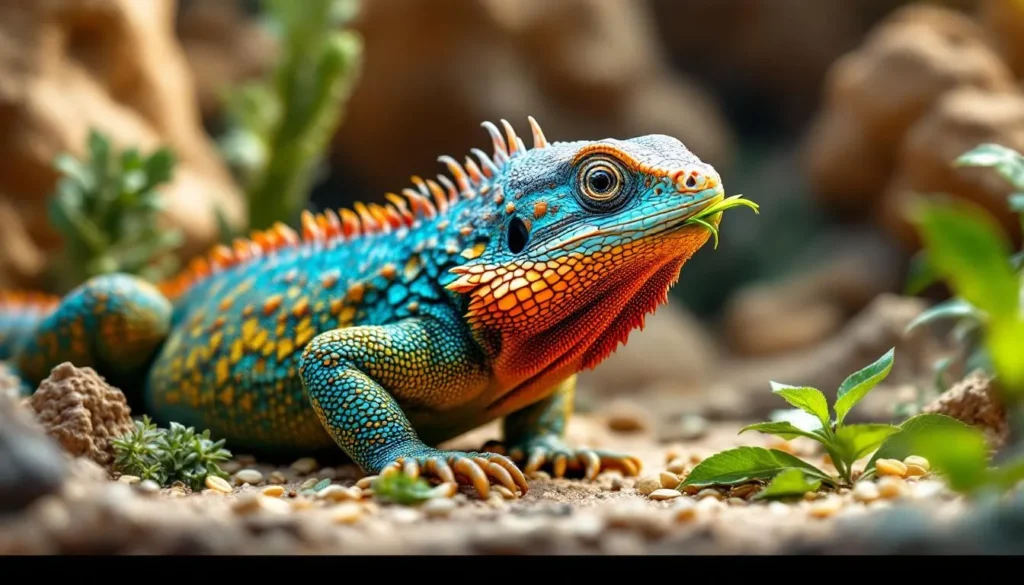
Uromastyx lizards, also known as spiny-tailed lizards, are fascinating herbivorous reptiles that require a specialized diet to thrive in captivity. Understanding what to feed your uromastyx is crucial for maintaining their health, vibrant coloration, and longevity. This comprehensive guide will walk you through everything you need to know about creating the perfect uromastyx diet.
Understanding Uromastyx Nutritional Needs
Unlike many popular pet lizards, uromastyx are primarily herbivores that have evolved to consume a diet high in fiber and low in protein. In their natural desert habitat, these lizards feed on tough, fibrous plants, seeds, and flowers. Replicating this diet in captivity is essential for preventing common health issues like metabolic bone disease and obesity.
The ideal uromastyx diet consists of approximately 90-95% plant matter and only 5-10% protein sources. Their digestive system is specifically designed to break down cellulose from plants, making them uniquely adapted to a vegetarian lifestyle.
Best Vegetables for Uromastyx
The foundation of your uromastyx diet should be dark leafy greens and other nutrient-rich vegetables. These provide essential vitamins, minerals, and the fiber necessary for proper digestion.
Worried About Your Reptile's Health?
Upload a photo and get instant AI health analysis. Catch problems before they become expensive vet bills.
Get Free Health Check →Daily Staple Greens
- Collard greens
- Dandelion greens
- Turnip greens
- Mustard greens
- Endive
- Escarole
- Arugula
Supplementary Vegetables
- Butternut squash (shredded)
- Yellow squash
- Bell peppers (red, yellow, orange)
- Okra
- Green beans
- Lentils (cooked, occasional)
Variety is key when feeding your uromastyx. Rotate between different greens and vegetables to ensure a balanced nutritional profile and prevent dietary boredom.
Foods to Avoid
Certain foods can be harmful to uromastyx and should be avoided or strictly limited in their diet. High-oxalate vegetables can bind calcium and contribute to metabolic bone disease, while high-protein foods can cause kidney problems.
Foods to Exclude
- Spinach (high oxalates)
- Kale (high oxalates, use sparingly)
- Lettuce (low nutritional value)
- Cabbage (goitrogens)
- Broccoli (goitrogens)
- Insects as primary food (too high in protein)
- Fruit (too high in sugar, occasional treat only)
Seeds and Flowers: Natural Dietary Components
In the wild, uromastyx consume various seeds and flowers, which provide important nutrients and enrichment. You can incorporate these into your pet’s diet for variety and nutritional benefits.
Safe Seeds
- Millet
- Lentils (dried or sprouted)
- Grass seeds
- Bird seed mixes (without sunflower seeds)
Edible Flowers
- Hibiscus flowers
- Rose petals
- Dandelion flowers
- Nasturtium
Offer seeds and flowers 2-3 times per week as a supplement to their regular greens. This mimics their natural foraging behavior and adds enrichment to their diet.
Never Miss Early Warning Signs
AI photo analysis catches subtle health issues humans miss 80% of the time. Early detection = healthier reptile + lower vet bills.
Start Free Trial →Feeding Schedule and Portion Sizes
Adult uromastyx should be fed daily, with food offered in the morning when they’re most active. Juveniles may eat more frequently and require slightly higher protein content for growth.
Offer a salad bowl that’s approximately the size of your uromastyx’s body. They should have access to fresh food throughout the day, as they are grazers by nature. Remove any uneaten food in the evening to prevent spoilage.
Calcium and Vitamin Supplementation
Even with a well-balanced diet, uromastyx benefit from calcium supplementation to prevent metabolic bone disease. Dust their food with calcium powder 3-4 times per week. Use a calcium supplement without vitamin D3 if your uromastyx has access to proper UVB lighting, as they can synthesize their own vitamin D3.
A multivitamin supplement should be provided once or twice weekly to ensure they receive all necessary micronutrients.
Join thousands of successful reptile owners
Try ReptileCoach Free →Hydration Needs
Uromastyx obtain most of their water from their food, but fresh water should always be available. Many uromastyx don’t drink frequently, but having a shallow water dish allows them to hydrate when needed. The moisture content in fresh vegetables typically provides adequate hydration.
Misting is generally unnecessary and can increase humidity levels beyond what these desert lizards prefer.
Common Dietary Mistakes
Many new uromastyx owners make feeding mistakes that can impact their pet’s health. Avoid these common pitfalls:
- Feeding too much protein or insects
- Offering fruit too frequently
- Not providing enough variety in greens
- Using iceberg lettuce or other low-nutrition foods
- Forgetting calcium supplementation
- Feeding foods that are too cold
Ready to track your reptile’s health and diet? Try the ReptileCoach App free — the all-in-one reptile care companion.
"This app saved my bearded dragon's life. The AI caught early MBD in photos I thought looked completely normal. Worth every penny!"
— Sarah K., ReptileCoach User
Get Your Free 7-Day Trial →Conclusion
A proper uromastyx diet is the cornerstone of keeping these remarkable lizards healthy and thriving. By focusing on dark leafy greens, appropriate vegetables, and occasional seeds and flowers, you’ll provide the nutrition your spiny-tailed lizard needs. Remember to avoid high-protein foods, supplement with calcium, and offer variety to keep your uromastyx engaged and healthy. With the right diet and care, your uromastyx can live 15-20 years or more as a vibrant, active companion.
Ready to Give Your Reptile the Best Care?
Stop guessing and start knowing. Get personalized AI-powered care guidance, photo health analysis, and 24/7 expert advice for YOUR specific reptile.
Get Personalized Care Guidance
AI-powered photo analysis and daily care tracking for YOUR reptile
Try Free for 7 Days →