
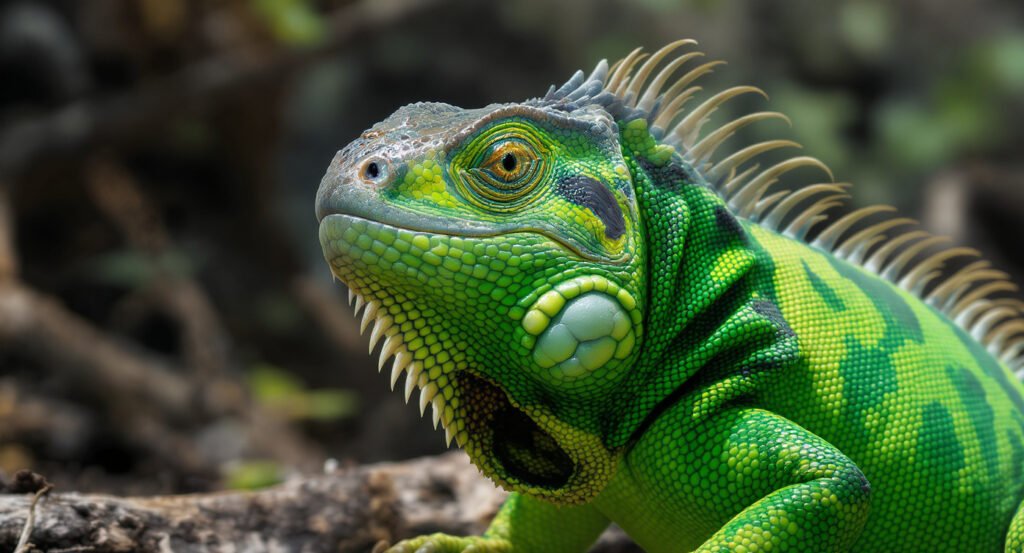
Green iguanas are among the most popular pet reptiles, but many owners struggle with providing the proper diet these herbivorous lizards need to thrive. Understanding what to feed your green iguana is crucial for preventing metabolic bone disease, ensuring proper growth, and maintaining optimal health throughout their 15-20 year lifespan.
Understanding Green Iguana Nutritional Needs
Green iguanas are strict herbivores, meaning their diet should consist entirely of plant matter. Unlike some reptiles that require insects or meat, feeding your iguana animal protein can lead to serious health complications including kidney disease and gout. The key to a healthy green iguana diet lies in providing the right balance of calcium, phosphorus, vitamins, and fiber.
Adult green iguanas require a calcium to phosphorus ratio of approximately 2:1 in their diet. This ratio is essential for proper bone development and preventing metabolic bone disease, one of the most common health issues in captive iguanas.
Best Foods for Green Iguanas
Leafy Greens: The Foundation
Leafy greens should make up 80-90% of your green iguana’s diet. The best options include:
Worried About Your Reptile's Health?
Upload a photo and get instant AI health analysis. Catch problems before they become expensive vet bills.
Get Free Health Check →- Collard greens – high in calcium and vitamin A
- Mustard greens – excellent calcium source
- Turnip greens – nutrient-dense and readily available
- Dandelion greens – wild or organic varieties
- Escarole – good for variety and hydration
- Arugula – occasional addition for flavor variety
These calcium-rich greens provide the nutritional foundation your iguana needs. Rotate between different types to ensure nutritional variety and prevent dietary boredom.
Vegetables to Include
Vegetables should comprise about 10-20% of the diet:
- Butternut squash – rich in vitamin A
- Yellow squash – good fiber source
- Green beans – occasional treat
- Bell peppers – all colors, high in vitamin C
- Carrots – shredded, in moderation
- Snap peas – occasional variety
Fruits: Limited Treats Only
Fruits should be offered sparingly, no more than 5-10% of the diet, as treats:
- Papaya – digestive benefits
- Mango – vitamin-rich occasional treat
- Berries – strawberries, blueberries in small amounts
- Figs – calcium-rich but high in sugar
Foods to Avoid
Certain foods are toxic or harmful to green iguanas and must be avoided entirely:
Never Miss Early Warning Signs
AI photo analysis catches subtle health issues humans miss 80% of the time. Early detection = healthier reptile + lower vet bills.
Start Free Trial →- Spinach and kale – contain oxalates that bind calcium
- Lettuce (iceberg) – nutritionally void
- Cabbage – goitrogens interfere with thyroid function
- Broccoli – goitrogens, feed rarely if at all
- Animal protein – insects, meat, eggs, dairy
- Processed human foods – bread, pasta, grains
Feeding Schedule and Portions
Young iguanas (under 2 years) should be fed daily, while adults can be fed every other day. Offer fresh food in the morning when iguanas are most active and their metabolism is highest. Remove uneaten food after a few hours to prevent spoilage.
Portion sizes vary based on the iguana’s size, but a general rule is to offer a salad roughly the size of the iguana’s body (excluding tail). Monitor your iguana’s body condition and adjust portions accordingly.
Calcium and Vitamin Supplementation
Even with a perfect diet, green iguanas benefit from calcium supplementation. Dust food with calcium powder (without vitamin D3 for iguanas with proper UVB lighting) 2-3 times per week for adults, daily for juveniles.
A quality reptile multivitamin should be provided once weekly. However, supplementation should never replace a proper whole-food diet.
Join thousands of successful reptile owners
Try ReptileCoach Free →Hydration Requirements
Green iguanas obtain most of their water from fresh vegetables, but always provide a large water bowl for drinking and soaking. Many iguanas enjoy bathing, which aids in hydration and shedding. Mist your iguana’s enclosure daily to maintain proper humidity levels of 65-75%.
Common Feeding Mistakes
Many reptile owners unknowingly make feeding errors that compromise their iguana’s health:
- Feeding too much fruit, leading to obesity and digestive issues
- Offering animal protein, causing kidney damage
- Providing insufficient calcium, resulting in metabolic bone disease
- Using improper calcium to phosphorus ratios
- Feeding the same foods daily without variety
Preparing Iguana Meals
Chop all vegetables and greens into bite-sized pieces appropriate for your iguana’s size. Mix ingredients thoroughly to prevent selective feeding. Some iguanas are picky eaters and will only consume their favorite items if given the chance.
Wash all produce thoroughly to remove pesticides. Organic options are ideal when available and affordable. Prepare meals fresh daily for optimal nutrition and palatability.
"This app saved my bearded dragon's life. The AI caught early MBD in photos I thought looked completely normal. Worth every penny!"
— Sarah K., ReptileCoach User
Get Your Free 7-Day Trial →Track Your Iguana’s Health and Diet
Maintaining a proper green iguana diet requires dedication and knowledge. To help you track your reptile’s feeding schedule, growth, and overall health, consider using specialized tools designed for reptile care. Reptile Coach offers comprehensive tracking features that make it easy to monitor your iguana’s diet, weight, and wellness over time.
Conclusion
A proper green iguana diet centered on calcium-rich leafy greens, supplemented with appropriate vegetables and occasional fruits, is essential for your reptile’s long-term health. By avoiding common feeding mistakes and providing nutritional variety, you’ll help your green iguana live a long, healthy life. Remember that dietary needs may change with age, season, and health status, so stay observant and adjust as needed. With the right nutrition and care, your green iguana will thrive as a vibrant, healthy companion for decades to come.
Ready to Give Your Reptile the Best Care?
Stop guessing and start knowing. Get personalized AI-powered care guidance, photo health analysis, and 24/7 expert advice for YOUR specific reptile.
Get Personalized Care Guidance
AI-powered photo analysis and daily care tracking for YOUR reptile
Try Free for 7 Days →