
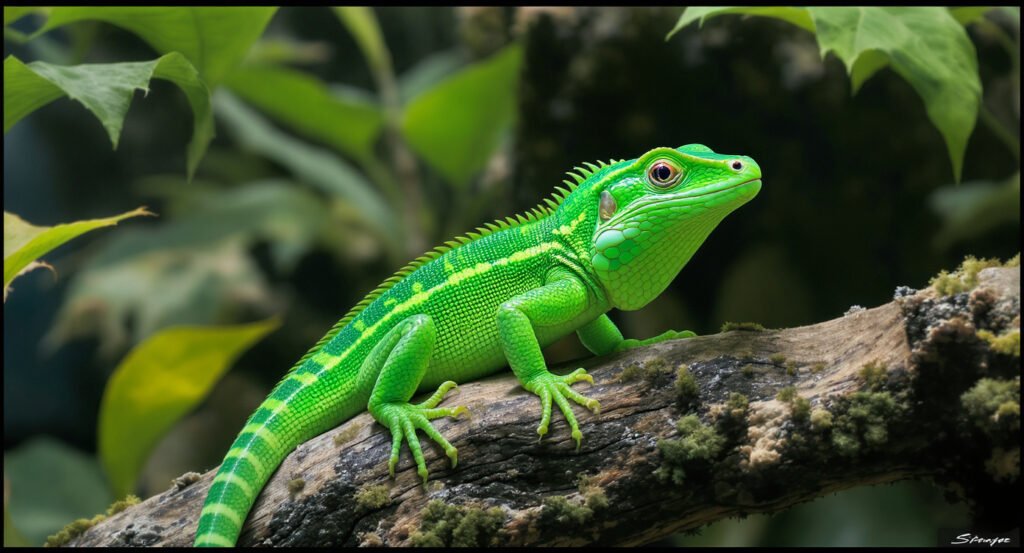
Water dragons are stunning reptiles that captivate enthusiasts with their vibrant green coloration and impressive size. These semi-aquatic lizards, native to Asia and Australia, make rewarding pets for dedicated keepers willing to meet their specific care requirements. This comprehensive guide covers everything you need to know about water dragon care, from habitat setup to diet and health maintenance.
Understanding Water Dragons
Chinese water dragons (Physignathus cocincinus) and Australian water dragons (Intellagama lesueurii) are the two primary species kept in captivity. Chinese water dragons are more commonly available and can reach lengths of 2-3 feet, with males typically larger than females. These arboreal and semi-aquatic reptiles require specialized care that mimics their natural tropical environment.
Essential Habitat Requirements
Enclosure Size and Setup
Adult water dragons need spacious enclosures to thrive. A minimum of 6 feet long, 3 feet wide, and 5-6 feet tall is recommended for a single adult. Vertical space is crucial since water dragons are excellent climbers. The enclosure should include both terrestrial and aquatic areas, with sturdy branches for climbing and basking.
Temperature and Humidity
Maintaining proper temperature gradients is critical for water dragon health. The basking spot should reach 90-95°F, while the cool end should stay around 75-80°F. Nighttime temperatures can drop to 70-75°F. Humidity levels must remain between 70-80%, which can be achieved through regular misting, a large water feature, and live plants.
Worried About Your Reptile's Health?
Upload a photo and get instant AI health analysis. Catch problems before they become expensive vet bills.
Get Free Health Check →Lighting Requirements
Water dragons require both UVB and heat lighting. A high-quality UVB bulb (10-12% UVB output) should run 10-12 hours daily to support calcium metabolism and prevent metabolic bone disease. Replace UVB bulbs every 6-12 months even if they still produce visible light, as UVB output diminishes over time.
Water Dragon Diet and Nutrition
Water dragons are omnivores with dietary needs that change as they mature. Juveniles require more protein, while adults benefit from increased vegetation in their diet.
Feeding Guidelines
- Insects: Crickets, dubia roaches, hornworms, and silkworms form the protein base. Gut-load insects before feeding and dust with calcium powder.
- Vegetables: Offer collard greens, mustard greens, butternut squash, and green beans. Avoid spinach and iceberg lettuce.
- Fruits: Provide occasional treats like strawberries, blueberries, and mango in small amounts.
- Feeding frequency: Juveniles should eat daily, while adults can be fed every other day.
- Supplements: Dust food with calcium powder (with D3) 2-3 times weekly and multivitamin powder once weekly.
Health and Wellness
Common Health Issues
Water dragons are susceptible to several health conditions that proper care can prevent. Metabolic bone disease results from inadequate UVB exposure or calcium deficiency, causing weak bones and deformities. Respiratory infections can develop in enclosures with improper temperature or humidity. Parasites are common in wild-caught specimens and require veterinary treatment.
Signs of a Healthy Water Dragon
A healthy water dragon displays bright, vibrant coloration, clear eyes, and alert behavior. They should have a healthy appetite, regular bowel movements, and smooth skin without retained shed. Any lethargy, loss of appetite, labored breathing, or unusual behavior warrants a veterinary consultation with a reptile specialist.
Never Miss Early Warning Signs
AI photo analysis catches subtle health issues humans miss 80% of the time. Early detection = healthier reptile + lower vet bills.
Start Free Trial →Behavior and Handling
Water dragons can become quite tame with regular, gentle handling. Start with short sessions and gradually increase duration as your dragon becomes comfortable. Support their entire body during handling and never grab them by the tail. Some water dragons may display head-bobbing or arm-waving, which are normal communication behaviors.
Socialization Tips
While water dragons can recognize their keepers, they require patience during the taming process. Newly acquired dragons need several weeks to acclimate before regular handling begins. Always approach slowly and avoid sudden movements that might startle them. Hand-feeding can help build trust and positive associations.
Water Feature Maintenance
The water area in your dragon’s enclosure requires diligent maintenance. Change the water daily or whenever soiled, as water dragons often defecate in their water. Use dechlorinated water and maintain a temperature of 75-80°F. A filtration system can help maintain water quality between changes, but does not eliminate the need for regular water replacement.
Long-Term Commitment
Water dragons can live 10-15 years in captivity with proper care, making them a significant long-term commitment. Consider the ongoing costs of electricity for heating and lighting, regular food purchases, substrate replacement, and veterinary care. The initial setup investment can be substantial, but creates the foundation for your dragon’s lifelong health.
Join thousands of successful reptile owners
Try ReptileCoach Free →Ready to take your reptile care to the next level? Track feeding schedules, monitor health metrics, and access expert care guides with the ReptileCoach App. Join thousands of reptile enthusiasts who trust ReptileCoach to help them provide the best possible care for their scaly companions.
Ready to Give Your Reptile the Best Care?
Stop guessing and start knowing. Get personalized AI-powered care guidance, photo health analysis, and 24/7 expert advice for YOUR specific reptile.
Get Personalized Care Guidance
AI-powered photo analysis and daily care tracking for YOUR reptile
Try Free for 7 Days →