
Introduction to Uromastyx Care
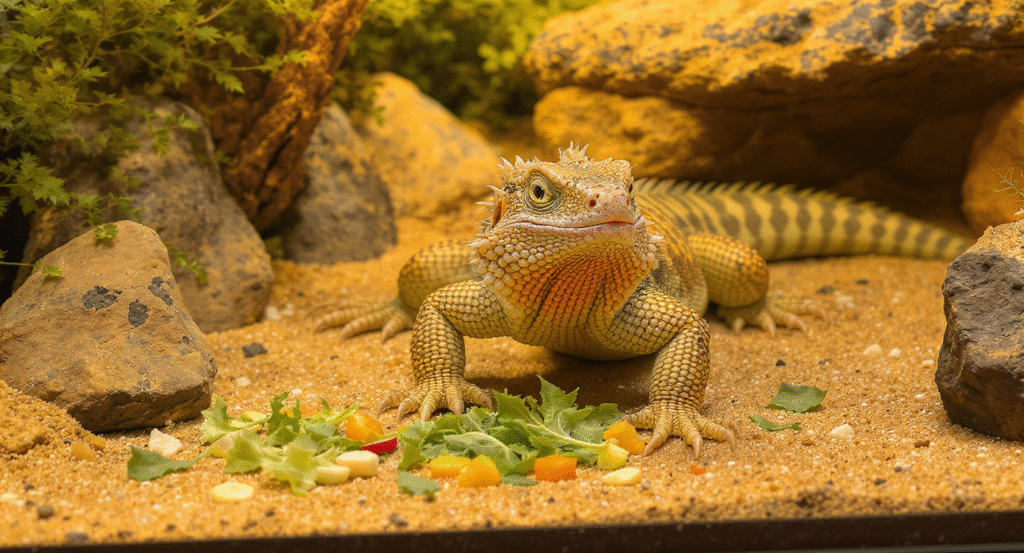
Uromastyx lizards, often called spiny-tailed lizards, are fascinating herbivorous reptiles native to North Africa and the Middle East. These robust, colorful lizards have become increasingly popular pets due to their docile nature and relatively straightforward care requirements. However, proper nutrition is critical to their health and longevity. Understanding the uromastyx diet and implementing correct feeding practices will ensure your lizard thrives in captivity for 15-20 years or more.
Unlike many reptiles, uromastyx are primarily herbivores with specific dietary needs that differ significantly from carnivorous or omnivorous species. This guide covers everything you need to know about feeding your uromastyx, along with essential habitat, temperature, and health information to keep your pet healthy.
Uromastyx Diet and Feeding Guidelines
Primary Diet Components
A proper uromastyx diet consists almost entirely of plant matter. In the wild, these lizards consume a variety of desert vegetation, seeds, and flowers. In captivity, you should replicate this natural diet as closely as possible.
The foundation of your uromastyx’s diet should include:
Worried About Your Reptile's Health?
Upload a photo and get instant AI health analysis. Catch problems before they become expensive vet bills.
Get Free Health Check →- Dark leafy greens: collard greens, dandelion greens, turnip greens, mustard greens, and endive
- Vegetables: squash, bell peppers, carrots (shredded), green beans, and lentils
- Edible flowers: hibiscus, rose petals, and dandelion flowers
- Seeds and grains: millet, lentils, and split peas (offered sparingly)
Foods to Avoid
Certain foods can be harmful to uromastyx and should be avoided entirely:
- Spinach, kale, and chard (high in oxalates that bind calcium)
- Iceberg lettuce (no nutritional value)
- Insects and animal protein (can cause kidney and liver damage)
- Citrus fruits (too acidic)
- Avocado (toxic to reptiles)
Feeding Schedule and Portions
Adult uromastyx should be fed daily, with fresh food offered each morning when they’re most active. Juveniles may eat more frequently and should have constant access to appropriate foods. Remove uneaten food after 12 hours to prevent spoilage.
Portion sizes vary by age and size, but generally, offer a salad bowl approximately the size of your lizard’s body. They’ll self-regulate their intake based on their needs and activity level.
Supplements and Hydration
While uromastyx obtain most of their water from fresh vegetables, provide a shallow water dish for occasional drinking. Dust food with calcium powder (without D3) 2-3 times weekly, and use a multivitamin supplement once weekly. Uromastyx from arid environments don’t require as much supplementation as other reptiles, but calcium is essential for bone health.
Never Miss Early Warning Signs
AI photo analysis catches subtle health issues humans miss 80% of the time. Early detection = healthier reptile + lower vet bills.
Start Free Trial →Habitat Setup for Uromastyx
Creating the right environment is crucial for your uromastyx’s health and appetite. These desert-dwelling lizards require spacious, arid enclosures that mimic their natural habitat.
Enclosure Size and Type
Adult uromastyx need a minimum enclosure size of 4 feet long by 2 feet wide by 2 feet tall, though larger is always better. Glass terrariums or custom-built wooden enclosures with proper ventilation work well. Ensure the enclosure has a secure screen top for ventilation and heat lamp placement.
Substrate Options
Choose substrates that support burrowing behavior and maintain low humidity:
- Play sand or excavator clay mixture (allows natural burrowing)
- Tile or slate (easy to clean, retains heat)
- Paper-based bedding for juveniles (prevents impaction)
Avoid substrates like wood chips, bark, or anything that retains moisture, as high humidity can cause respiratory infections in uromastyx.
Join thousands of successful reptile owners
Try ReptileCoach Free →Hides and Enrichment
Provide at least two hiding spots: one on the warm side and one on the cool side. Uromastyx are natural burrowers, so consider creating a dig box with deeper substrate. Add flat rocks for basking and climbing branches for exercise and enrichment.
Temperature and Lighting Requirements
Proper temperature gradients and UVB lighting are non-negotiable for uromastyx health. These lizards are adapted to extreme desert heat and require higher temperatures than most reptiles.
Temperature Zones
Establish a thermal gradient with distinct temperature zones:
- Basking spot: 110-130°F (some species tolerate up to 140°F)
- Warm side: 95-100°F
- Cool side: 80-85°F
- Nighttime: 70-75°F (can drop lower for some species)
Use a combination of ceramic heat emitters, halogen basking bulbs, and under-tank heaters to achieve these temperatures. Always monitor with reliable digital thermometers placed at different heights and locations.
"This app saved my bearded dragon's life. The AI caught early MBD in photos I thought looked completely normal. Worth every penny!"
— Sarah K., ReptileCoach User
Get Your Free 7-Day Trial →UVB Lighting
Uromastyx require high-output UVB lighting to synthesize vitamin D3 and metabolize calcium properly. Use a 10-12% UVB fluorescent tube or mercury vapor bulb, positioned 10-12 inches from the basking spot. Replace UVB bulbs every 6-12 months as their output diminishes over time, even if they still produce visible light.
Maintain a 12-14 hour photoperiod during active months, reducing to 10-12 hours in winter to simulate natural seasonal changes.
Health and Common Issues
Signs of a Healthy Uromastyx
A healthy uromastyx displays:
- Bright, alert eyes
- Active behavior during daylight hours
- Healthy appetite
- Firm, well-formed droppings
- Clear nostrils and no wheezing
- Vibrant coloration
Common Health Problems
Despite being hardy reptiles, uromastyx can develop health issues, especially when diet or husbandry is inadequate:
Worried About Your Reptile's Health?
Upload a photo and get instant AI health analysis. Catch problems before they become expensive vet bills.
Get Free Health Check →Metabolic Bone Disease (MBD): Caused by calcium deficiency or inadequate UVB exposure. Symptoms include lethargy, tremors, soft jaw, and deformed limbs. Prevention through proper supplementation and lighting is essential.
Respiratory Infections: Often result from excessive humidity or temperature drops. Watch for wheezing, mucus around nostrils, and open-mouth breathing.
Impaction: Occurs when lizards ingest substrate or are kept too cool to digest properly. Maintain appropriate temperatures and use safe substrates.
Obesity: Can develop from overfeeding seeds or lack of exercise. Stick to primarily greens and vegetables, offering seeds sparingly.
Never Miss Early Warning Signs
AI photo analysis catches subtle health issues humans miss 80% of the time. Early detection = healthier reptile + lower vet bills.
Start Free Trial →Veterinary Care
Establish a relationship with a reptile veterinarian experienced with uromastyx. Schedule annual check-ups and seek immediate care if you notice appetite loss, weight loss, abnormal behavior, or any signs of illness.
Want to track your reptile’s diet and care schedule automatically? Try the ReptileCoach App free — the all-in-one reptile care tracker trusted by keepers worldwide.
Conclusion
Providing proper nutrition is the cornerstone of uromastyx care. By offering a varied diet of dark leafy greens, vegetables, and occasional seeds, while avoiding animal protein and high-oxalate foods, you’ll support your lizard’s long-term health. Combined with appropriate habitat setup, temperature gradients, and UVB lighting, your uromastyx will thrive in captivity.
Remember that each uromastyx species has slightly different requirements, so research your specific species and monitor your individual lizard’s response to their diet and environment. With proper care and attention to their unique needs, these remarkable desert lizards make rewarding, long-lived companions.
Join thousands of successful reptile owners
Try ReptileCoach Free →Ready to Give Your Reptile the Best Care?
Stop guessing and start knowing. Get personalized AI-powered care guidance, photo health analysis, and 24/7 expert advice for YOUR specific reptile.
Get Personalized Care Guidance
AI-powered photo analysis and daily care tracking for YOUR reptile
Try Free for 7 Days →