
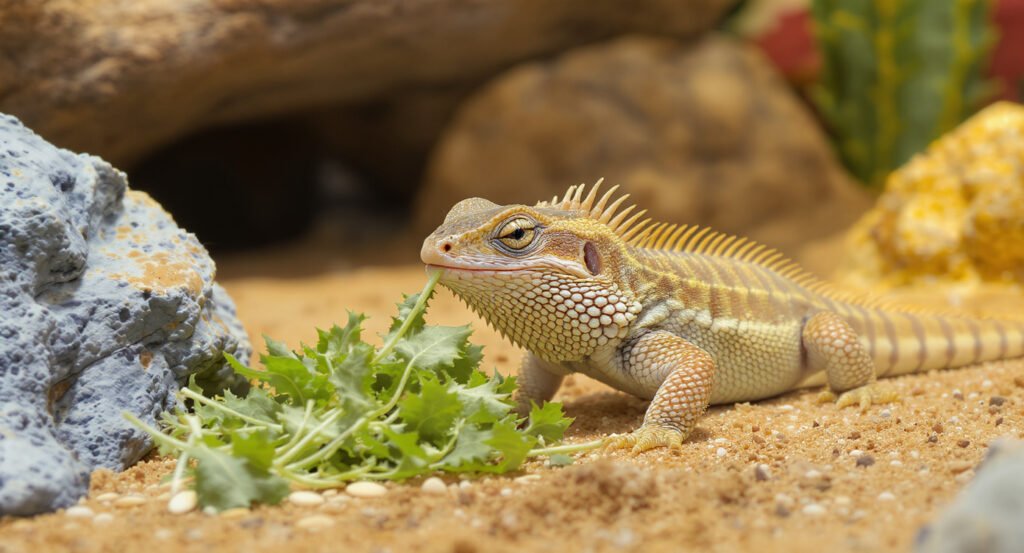
If you’re a proud uromastyx owner or considering bringing one of these fascinating spiny-tailed lizards into your home, understanding the uromastyx diet is absolutely crucial for their long-term health and happiness. Unlike many other popular pet reptiles, uromastyx are primarily herbivorous, with specific nutritional needs that differ significantly from their carnivorous cousins. Getting their diet right means the difference between a thriving, vibrant lizard and one plagued by health issues like metabolic bone disease, obesity, or digestive problems.
In this comprehensive feeding guide, we’ll walk you through everything you need to know about creating the perfect uromastyx diet, from the best vegetables to offer daily to understanding their unique protein requirements. Whether you’re caring for an Egyptian uromastyx, an Ornate uromastyx, or any other species in this diverse genus, these dietary principles will help you provide optimal nutrition.
Understanding the Uromastyx Diet in the Wild
Before diving into captive care, it’s helpful to understand what uromastyx eat in their natural habitat. These desert-dwelling lizards come from arid regions across North Africa and the Middle East, where they’ve evolved to thrive on a diet of tough, fibrous desert vegetation. In the wild, they consume grasses, seeds, flowers, and desert plants that are high in fiber and relatively low in protein and fat.
This natural diet informs how we should feed captive uromastyx. The key principle of a proper uromastyx diet is to replicate these nutritional ratios: high fiber, moderate carbohydrates, low protein, and very low fat. Deviating from this formula can lead to serious health complications over time.
Worried About Your Reptile's Health?
Upload a photo and get instant AI health analysis. Catch problems before they become expensive vet bills.
Get Free Health Check →Best Vegetables for Your Uromastyx Diet
Vegetables should form the absolute foundation of your uromastyx’s daily meals, comprising about 90-95% of their total diet. However, not all vegetables are created equal when it comes to reptile nutrition.
Excellent Daily Vegetables
The following vegetables should be staples in your uromastyx diet rotation:
- Collard greens – High in calcium and fiber, low in oxalates
- Mustard greens – Excellent calcium-to-phosphorus ratio
- Turnip greens – Nutrient-dense and readily accepted
- Endive – Great fiber content with good hydration
- Escarole – Similar benefits to endive
- Dandelion greens – Highly nutritious and often a favorite
- Arugula – Good variety option in moderation
- Butternut squash – Excellent source of vitamin A
- Yellow squash – Low in oxalates, good hydration
Vegetables to Offer Occasionally
These can be included 1-2 times per week for variety:
- Bell peppers (red, yellow, orange)
- Carrots (shredded, in small amounts)
- Green beans
- Okra
- Cactus pads (opuntia)
Preparation Tips
Always chop vegetables into appropriately sized pieces – nothing larger than the space between your uromastyx’s eyes. Mix different vegetables together to create a colorful, nutritious salad. Offering variety not only ensures balanced nutrition but also prevents your lizard from becoming a picky eater fixated on just one or two foods.
Never Miss Early Warning Signs
AI photo analysis catches subtle health issues humans miss 80% of the time. Early detection = healthier reptile + lower vet bills.
Start Free Trial →Seeds and Grains in the Uromastyx Diet
Seeds are an important component of the uromastyx diet, though they should be offered in moderation due to their higher fat content. In the wild, uromastyx consume various seeds from desert grasses and plants.
Recommended Seeds
Offer a small amount (about 1 teaspoon for adults) of seeds 2-3 times per week:
- Millet
- Lentils (dried, not cooked)
- Split peas
- Grass seeds
- Bird seed mixes (without sunflower seeds)
Avoid high-fat seeds like sunflower seeds, which can contribute to obesity and fatty liver disease in uromastyx. Seeds should be offered dry and can be sprinkled over their vegetable salad or provided in a separate dish.
Protein Needs: Less is More
This is where many uromastyx owners make critical mistakes. Unlike bearded dragons or other omnivorous lizards, uromastyx have very low protein requirements. Their digestive systems are not designed to process large amounts of animal protein.
Join thousands of successful reptile owners
Try ReptileCoach Free →Protein Guidelines
Adult uromastyx should receive little to no animal protein. Their protein needs are adequately met through the plant matter in their diet. Young, growing uromastyx (under 1 year) may benefit from a small insect once every 2-3 weeks, but this is optional and not necessary.
If you do choose to offer insects to juveniles, limit it to:
- 1-2 small crickets or dubia roaches
- Only once every 2-3 weeks
- Always gut-loaded and dusted with calcium
Excessive protein in the uromastyx diet can lead to kidney problems, gout, and shortened lifespan. When in doubt, stick to plants only.
Foods to Avoid in Your Uromastyx Diet
Certain foods can be harmful or even toxic to uromastyx. Avoid these completely:
"This app saved my bearded dragon's life. The AI caught early MBD in photos I thought looked completely normal. Worth every penny!"
— Sarah K., ReptileCoach User
Get Your Free 7-Day Trial →- Spinach – Very high in oxalates that bind calcium
- Lettuce (iceberg, romaine) – Nutritionally poor, can cause diarrhea
- Avocado – Toxic to reptiles
- Rhubarb – Contains toxic compounds
- Onions and garlic – Toxic to reptiles
- Citrus fruits – Too acidic for their digestive system
- High-protein foods – Cat food, dog food, excessive insects
- Processed human foods – Never appropriate
Also limit high-oxalate vegetables like beet greens, Swiss chard, and parsley, as oxalates interfere with calcium absorption.
Feeding Frequency and Portion Sizes
Establishing the right feeding schedule is essential for maintaining a healthy uromastyx diet.
For Juveniles (Under 1 Year)
Feed daily, offering fresh vegetables every morning. Juveniles are growing rapidly and need consistent nutrition. Provide as much as they’ll eat in about 4-5 hours, then remove uneaten food.
For Adults (Over 1 Year)
Feed daily or every other day, depending on your individual lizard’s activity level and body condition. A good portion size is roughly the size of their body (not including the tail). Monitor their weight and adjust accordingly – uromastyx should have a robust but not obese appearance.
Worried About Your Reptile's Health?
Upload a photo and get instant AI health analysis. Catch problems before they become expensive vet bills.
Get Free Health Check →Feeding Time Considerations
Always feed your uromastyx in the morning or early afternoon, after they’ve had time to bask and raise their body temperature. Reptiles need warmth to properly digest food, so feeding too late in the day can lead to digestive issues.
Supplements for Optimal Nutrition
Even with a perfect uromastyx diet, supplementation helps ensure your lizard receives all necessary nutrients.
Calcium Supplementation
Dust vegetables with calcium powder (without D3) 3-4 times per week for adults, daily for juveniles. Uromastyx need substantial calcium for bone health, especially growing youngsters.
Vitamin Supplementation
Use a reptile multivitamin once per week. This provides vitamin A, vitamin D3 (in appropriate amounts), and other essential nutrients that may be lacking in captive diets.
Never Miss Early Warning Signs
AI photo analysis catches subtle health issues humans miss 80% of the time. Early detection = healthier reptile + lower vet bills.
Start Free Trial →UVB Lighting
While not a dietary supplement per se, proper UVB lighting is crucial for vitamin D3 synthesis, which enables calcium absorption. Provide a high-quality UVB bulb (10-12% UVB) for 10-12 hours daily.
Hydration Matters
Uromastyx get most of their hydration from their food, which is why offering moisture-rich vegetables is important. However, always provide a shallow water dish, even if you rarely see them drink. Some individuals do drink occasionally, especially after shedding or during warmer months.
You can also lightly mist vegetables before serving to increase moisture content, but avoid over-misting the enclosure, as uromastyx need low humidity environments.
Take Your Uromastyx Care to the Next Level
Mastering the uromastyx diet is one of the most important aspects of keeping these remarkable lizards healthy and thriving. By focusing on high-fiber vegetables, offering seeds in moderation, minimizing protein, and avoiding harmful foods, you’ll provide your spiny-tailed friend with the nutrition they need for a long, vibrant life.
Join thousands of successful reptile owners
Try ReptileCoach Free →Want personalized guidance for your specific uromastyx? Try our AI reptile care app for customized feeding schedules, dietary recommendations based on your lizard’s age and species, and instant answers to all your uromastyx care questions. Our intelligent platform helps you become the best reptile keeper possible with expert advice available 24/7.
Ready to Give Your Reptile the Best Care?
Stop guessing and start knowing. Get personalized AI-powered care guidance, photo health analysis, and 24/7 expert advice for YOUR specific reptile.
Get Personalized Care Guidance
AI-powered photo analysis and daily care tracking for YOUR reptile
Try Free for 7 Days →