
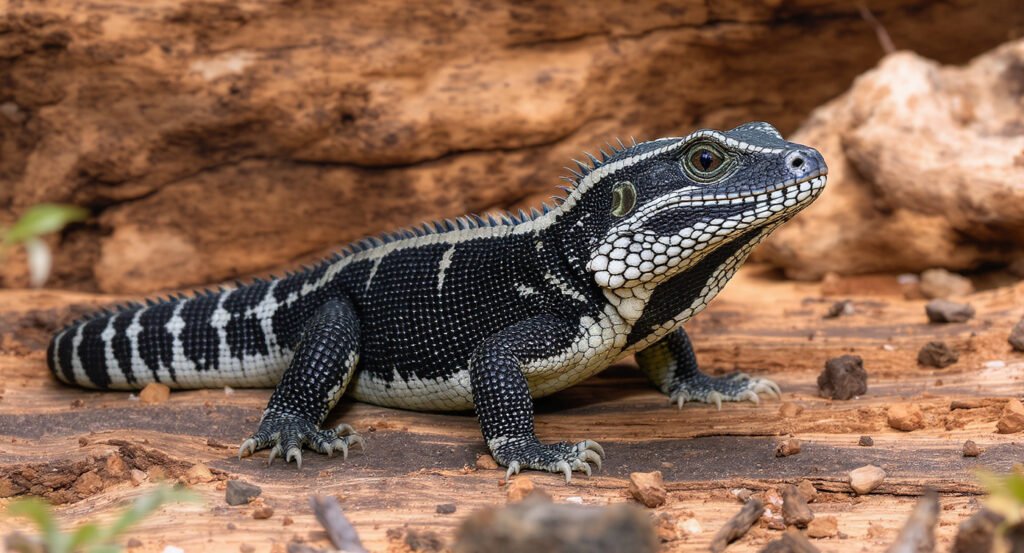
Argentine Black and White Tegus are among the most intelligent and personable reptiles you can keep as pets. These large, striking lizards from South America have captured the hearts of reptile enthusiasts worldwide with their dog-like personalities and impressive size. If you’re considering adding a tegu to your family, this comprehensive care guide will help you understand everything you need to provide your new companion with a healthy, happy life.
Understanding Argentine Black and White Tegus
Before diving into care requirements, it’s important to understand what you’re committing to. Argentine Black and White Tegus (Salvator merianae) can grow between 3 to 4.5 feet in length and live 15-20 years with proper care. They’re highly intelligent reptiles that require significant space, resources, and daily interaction. These lizards are omnivores with hearty appetites and need owners who can dedicate time to their care and enrichment.
Habitat and Enclosure Setup
Housing a tegu properly is one of the most crucial aspects of their care. Hatchlings can start in a 40-gallon enclosure, but adults require substantial space—ideally an enclosure measuring at least 8 feet long by 4 feet wide by 4 feet tall. Many tegu keepers opt for custom-built enclosures or dedicate entire rooms to their pets.
The enclosure should include several key elements:
Worried About Your Reptile's Health?
Upload a photo and get instant AI health analysis. Catch problems before they become expensive vet bills.
Get Free Health Check →- Substrate: Use a moisture-retaining substrate like cypress mulch, coconut coir, or a topsoil and play sand mixture at least 6-8 inches deep. Tegus love to dig and burrow, so providing adequate substrate depth is essential for their natural behavior and mental stimulation.
- Hides: Provide at least two hiding spots—one on the warm side and one on the cool side of the enclosure. Large cork bark, commercial reptile caves, or custom-built hides work well.
- Enrichment: Include climbing branches, rocks, and other environmental enrichment. While tegus are primarily terrestrial, they appreciate variety in their environment.
- Water: Provide a large, sturdy water dish that your tegu can soak in. Tegus often defecate in their water, so be prepared to clean and refill it daily.
Temperature and Humidity Requirements
Proper temperature gradients are critical for tegu health, as these reptiles rely on external heat sources to regulate their body temperature.
Create a basking spot of 100-110°F using basking bulbs or ceramic heat emitters. The ambient temperature on the warm side should be 85-90°F, while the cool side should remain around 75-80°F. Nighttime temperatures can drop to 70-75°F. Use reliable digital thermometers with probes to monitor temperatures at various locations within the enclosure.
Humidity levels should be maintained between 60-80%. Argentine Black and White Tegus come from humid environments and require adequate moisture for proper shedding and respiratory health. Monitor humidity with a digital hygrometer and adjust by misting the enclosure, adding moisture to the substrate, or increasing the water dish size as needed.
Full-spectrum UVB lighting is essential for vitamin D3 synthesis and calcium metabolism. Use a high-output UVB bulb (10-12% UVB) and replace it every 6-12 months, even if it still produces visible light.
Never Miss Early Warning Signs
AI photo analysis catches subtle health issues humans miss 80% of the time. Early detection = healthier reptile + lower vet bills.
Start Free Trial →Diet and Feeding
Tegus are opportunistic omnivores with impressive appetites. A balanced diet is crucial for preventing obesity and nutritional deficiencies.
Young tegus (under 2 years) should eat a diet composed of approximately 70% protein and 30% fruits and vegetables. As they mature, shift to a more balanced 50/50 ratio of protein to produce. Protein sources include whole prey items (mice, rats, chicks), eggs, insects (dubia roaches, superworms, hornworms), and occasional lean meats. Fruits and vegetables should include leafy greens, squash, berries, melons, and other nutrient-rich options.
Feed juveniles daily, while adults can be fed 3-4 times per week. Always dust insects with calcium powder (without D3 if using UVB lighting) and provide a multivitamin supplement 1-2 times weekly. Remove uneaten food promptly to prevent spoilage.
Avoid feeding dog or cat food regularly, as these are not nutritionally appropriate for tegus and can cause health issues over time.
Join thousands of successful reptile owners
Try ReptileCoach Free →Handling and Taming Your Tegu
One of the most rewarding aspects of tegu ownership is their capacity for taming and bonding. Unlike many reptiles, tegus can recognize their owners and develop unique personalities.
Start handling sessions when your tegu is young, keeping them brief (5-10 minutes) and positive. Always approach calmly and support their entire body. Never grab or restrain forcefully, as this builds fear and mistrust. Allow your tegu to walk from hand to hand rather than constraining them.
Consistency is key. Daily, positive interactions help your tegu associate you with safety rather than threat. Feed by hand occasionally (carefully) to build positive associations. Watch for stress signals like huffing, tail whipping, or attempting to flee, and respect these boundaries.
Most tegus become docile and handleable with patience, though they retain their individuality—some will be more social than others.
"This app saved my bearded dragon's life. The AI caught early MBD in photos I thought looked completely normal. Worth every penny!"
— Sarah K., ReptileCoach User
Get Your Free 7-Day Trial →Health and Common Issues
Tegus are generally hardy reptiles when their care requirements are met, but several health issues can arise:
Metabolic Bone Disease (MBD): Results from inadequate calcium, vitamin D3, or UVB exposure. Symptoms include lethargy, tremors, swollen limbs, and difficulty moving. Prevent MBD through proper supplementation and lighting.
Respiratory Infections: Often caused by inadequate temperatures or humidity. Signs include wheezing, mucus around the nostrils, and open-mouth breathing. Consult a reptile veterinarian immediately if you notice these symptoms.
Obesity: Tegus love to eat and can easily become overweight. Monitor body condition and adjust feeding frequency if your tegu becomes sluggish or develops fat deposits.
Worried About Your Reptile's Health?
Upload a photo and get instant AI health analysis. Catch problems before they become expensive vet bills.
Get Free Health Check →Parasites: Internal and external parasites can affect tegus. Schedule annual fecal exams with a reptile veterinarian to detect and treat parasites early.
Establish a relationship with a qualified reptile veterinarian before emergencies arise. Annual checkups help catch potential issues before they become serious.
Why Tegus Make Rewarding Pets
Despite their demanding care requirements, Argentine Black and White Tegus offer unique rewards that few other reptiles can match. Their intelligence rivals that of some mammals—they can learn to recognize their names, navigate mazes, and even be trained with positive reinforcement techniques.
Tegus display genuine personality traits and can form strong bonds with their keepers. Many owners describe their tegus as having dog-like qualities, seeking out attention and interaction. Watching a tegu’s behavior, problem-solving abilities, and individual quirks provides endless fascination.
Never Miss Early Warning Signs
AI photo analysis catches subtle health issues humans miss 80% of the time. Early detection = healthier reptile + lower vet bills.
Start Free Trial →For dedicated reptile enthusiasts willing to invest the time, space, and resources, tegus offer an unparalleled keeping experience. Their longevity means you’ll have a companion for potentially two decades, making them a long-term commitment that rewards patience with genuine companionship.
Ready to Track Your Tegu’s Care?
Managing all aspects of tegu care—from feeding schedules to temperature monitoring to health records—can be overwhelming. ReptileCoach’s comprehensive tracking app helps you stay organized with reminders, care logs, and expert guidance tailored to your tegu’s needs, ensuring you never miss important care tasks.
Conclusion
Argentine Black and White Tegus are exceptional reptiles that demand significant commitment but offer remarkable rewards. By providing proper housing, maintaining appropriate temperatures and humidity, offering a balanced diet, and investing time in socialization, you’ll help your tegu thrive. Remember that tegu ownership is a long-term commitment requiring dedication, but for those willing to meet their needs, these intelligent lizards become truly unique companions that enrich their keepers’ lives in ways few other reptiles can.
Ready to Give Your Reptile the Best Care?
Stop guessing and start knowing. Get personalized AI-powered care guidance, photo health analysis, and 24/7 expert advice for YOUR specific reptile.
Get Personalized Care Guidance
AI-powered photo analysis and daily care tracking for YOUR reptile
Try Free for 7 Days →