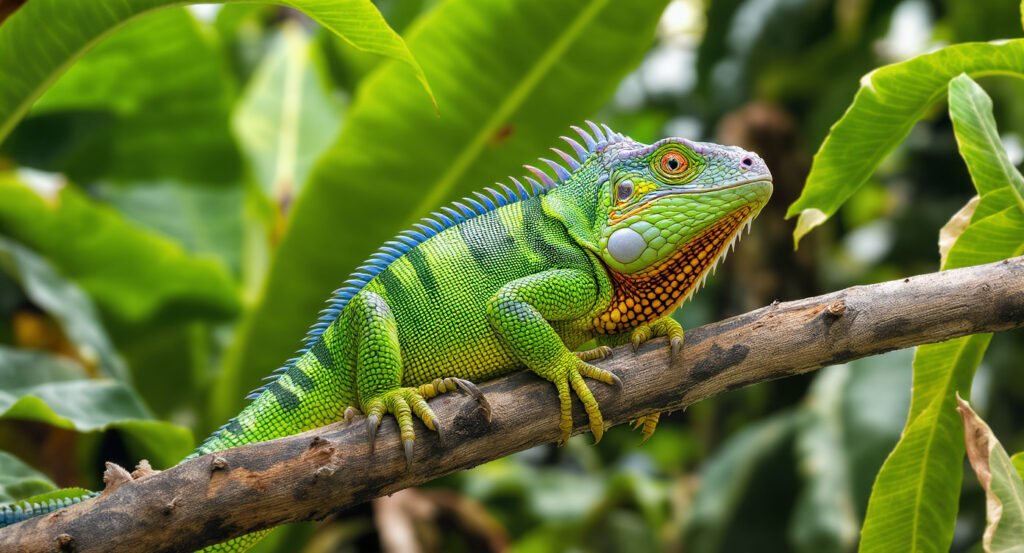
Providing the proper green iguana diet is one of the most critical aspects of keeping these magnificent reptiles healthy and thriving. As strict herbivores, green iguanas require a carefully balanced diet rich in specific nutrients to prevent common health issues and ensure a long, vibrant life. This comprehensive guide will walk you through everything you need to know about feeding your green iguana correctly.
Understanding Green Iguana Nutritional Needs
Green iguanas are obligate herbivores, meaning their digestive systems are specifically designed to process plant matter exclusively. Unlike some reptiles that require animal protein, feeding insects or meat to your iguana can actually cause serious health problems, including kidney disease and gout. The foundation of a proper green iguana diet consists of fresh leafy greens, vegetables, and occasional fruits.
The ideal green iguana diet should maintain a calcium-to-phosphorus ratio of approximately 2:1, as this balance is crucial for preventing metabolic bone disease, one of the most common ailments affecting captive iguanas. Additionally, your iguana needs adequate fiber for proper digestion and a variety of vitamins and minerals to support immune function, growth, and overall health.
Best Foods for Your Green Iguana Diet
Staple Leafy Greens (70-80% of Diet)
The bulk of your green iguana diet should consist of calcium-rich, dark leafy greens. These provide essential nutrients and should be offered daily:
Worried About Your Reptile's Health?
Upload a photo and get instant AI health analysis. Catch problems before they become expensive vet bills.
Get Free Health Check →- Collard greens – Excellent calcium source and highly nutritious
- Mustard greens – Rich in vitamins A and C with good calcium content
- Turnip greens – High in calcium and beneficial nutrients
- Dandelion greens – Naturally occurring and packed with nutrition
- Escarole – Good fiber content and well-balanced nutrients
- Arugula – Adds variety and contains beneficial compounds
- Watercress – Nutrient-dense with excellent calcium levels
Supplementary Vegetables (15-20% of Diet)
Variety is important in a green iguana diet. Include these vegetables several times per week to provide additional nutrients and prevent dietary boredom:
- Butternut squash (shredded or diced)
- Yellow squash and zucchini
- Green beans (chopped)
- Bell peppers (all colors)
- Carrots (shredded, in moderation)
- Snap peas
- Okra
Occasional Fruits (5-10% of Diet)
While fruits can be part of a green iguana diet, they should be offered sparingly as treats due to their high sugar content. Suitable options include:
- Figs (excellent calcium source)
- Papaya
- Mango
- Berries (strawberries, blueberries, raspberries)
- Melon
Foods to Avoid in Your Green Iguana Diet
Certain foods can be harmful or toxic to green iguanas and should never be included in their diet. Avoid these items completely:
- Spinach and chard – Contain oxalates that bind calcium
- Iceberg lettuce – Nutritionally deficient and can cause diarrhea
- Cabbage and broccoli – Goitrogens that interfere with thyroid function
- Animal protein – Insects, meat, eggs, or dairy products
- Avocado – Toxic to many reptiles
- Rhubarb – Contains toxic compounds
- Onions and garlic – Can cause digestive issues
Preparing and Serving Your Green Iguana Diet
Proper food preparation is essential for maximizing nutrition and preventing health issues. Always wash all produce thoroughly to remove pesticides and contaminants. Chop or shred foods into appropriate sizes based on your iguana’s age and size. Create a colorful salad by mixing various greens and vegetables together. Present food in a shallow, sturdy dish that won’t tip over easily. Remove uneaten food after a few hours to prevent spoilage and bacterial growth.
Never Miss Early Warning Signs
AI photo analysis catches subtle health issues humans miss 80% of the time. Early detection = healthier reptile + lower vet bills.
Start Free Trial →Feeding Schedule and Portions
Young iguanas (under 2 years) should be fed daily, as they’re growing rapidly and need consistent nutrition. Adult iguanas can be fed daily or every other day, depending on their activity level and body condition. Offer an amount of food roughly equivalent to the size of your iguana’s body (excluding the tail) and adjust based on whether food is consistently left over or completely consumed.
Supplementation for a Complete Green Iguana Diet
Even with a well-balanced green iguana diet, supplementation may be necessary to ensure optimal health. Calcium powder without vitamin D3 should be lightly dusted on food 2-3 times per week for adults and daily for growing juveniles. A reptile multivitamin can be added once or twice weekly. Proper UVB lighting is equally important, as it allows your iguana to synthesize vitamin D3 naturally, which is essential for calcium absorption.
Hydration and Water Requirements
While green iguanas obtain much of their water from fresh vegetables, they should always have access to clean drinking water. Place a large, shallow water dish in the enclosure and change it daily. Many iguanas also enjoy soaking in water, which aids in hydration, shedding, and digestion. Misting your iguana and its enclosure daily can also help maintain proper hydration levels.
Monitoring Your Iguana’s Health Through Diet
A proper green iguana diet will be reflected in your pet’s overall health and appearance. Signs of good nutrition include bright, vibrant coloration, clear eyes, healthy skin with regular shedding, consistent growth in juveniles, normal bowel movements, and active, alert behavior. Conversely, signs that your green iguana diet may need adjustment include lethargy, weight loss, metabolic bone disease symptoms, and irregular bowel movements.
Join thousands of successful reptile owners
Try ReptileCoach Free →Take Your Iguana Care to the Next Level
Creating and maintaining the perfect green iguana diet requires knowledge, dedication, and careful attention to detail. If you’re looking for personalized guidance on your iguana’s nutrition and care, consider using a specialized tool to track feeding schedules, monitor health metrics, and receive expert recommendations. Check out our reptile care app to simplify your iguana care routine and ensure your pet receives optimal nutrition every day.
Conclusion
A well-planned green iguana diet is the cornerstone of responsible iguana ownership. By focusing on calcium-rich leafy greens, offering appropriate variety, avoiding harmful foods, and ensuring proper supplementation, you’ll provide your green iguana with the nutrition needed for a healthy, long life. Remember that dietary needs may change with age, season, and individual health status, so stay observant and adjust accordingly. With the right approach to nutrition, your green iguana can thrive for 15-20 years or more.
Ready to Give Your Reptile the Best Care?
Stop guessing and start knowing. Get personalized AI-powered care guidance, photo health analysis, and 24/7 expert advice for YOUR specific reptile.
Get Personalized Care Guidance
AI-powered photo analysis and daily care tracking for YOUR reptile
Try Free for 7 Days →