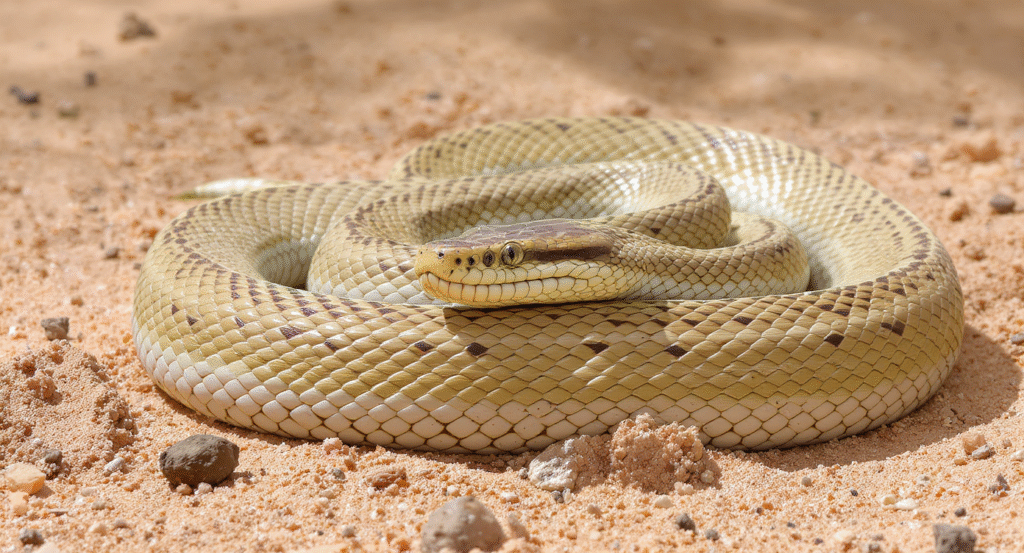
Sand boas are one of the most underrated pet snakes for beginners. These small, docile constrictors are hardy, low-maintenance, and fascinating to observe. Whether you’re considering a Kenyan sand boa or an Egyptian sand boa, this comprehensive care guide will help you provide the best environment for your new pet.
Why Sand Boas Make Great Beginner Snakes
Sand boas are ideal for first-time snake owners for several reasons. They rarely exceed two feet in length, making them manageable in smaller living spaces. Their calm temperament means they tolerate handling well, and their simple care requirements make them forgiving of minor beginner mistakes. Unlike more specialized species, sand boas are resilient and adapt well to captive environments.
Enclosure Setup: Creating the Perfect Habitat
A proper enclosure is the foundation of good sand boa care. These snakes spend most of their time burrowed beneath the substrate, so your setup should accommodate their natural fossorial behavior.
Tank Size and Type
For an adult sand boa, a 20-gallon long aquarium or terrarium provides adequate space. Hatchlings can start in smaller enclosures like 10-gallon tanks, but they’ll need upgrading as they grow. Glass aquariums with secure screen tops work best, as they retain heat well and allow for proper ventilation.
Worried About Your Reptile's Health?
Upload a photo and get instant AI health analysis. Catch problems before they become expensive vet bills.
Get Free Health Check →Substrate Selection
Since sand boas are burrowing snakes, substrate choice is critical. The best options include:
- Aspen shavings: The most popular choice, offering good burrowing capability and easy spot-cleaning
- Children’s play sand: Mimics their natural habitat but requires careful monitoring to prevent impaction
- Coconut husk: Holds humidity well but may be too moist for these desert-adapted species
- Paper towels: Ideal for quarantine or hatchlings, though less natural-looking
Provide substrate depth of at least 3-4 inches to allow proper burrowing behavior. Avoid cedar or pine shavings, as the aromatic oils can cause respiratory issues.
Hides and Enrichment
Even though sand boas burrow, they still appreciate surface hides. Provide at least two hiding spots: one on the warm side and one on the cool side of the enclosure. Half logs, commercial reptile hides, or even overturned flower pots work well. A water dish large enough for soaking should always be available.
Temperature and Lighting Requirements
Sand boas are ectothermic and rely on external heat sources to regulate their body temperature. Proper thermal gradients are essential for digestion, immune function, and overall health.
Never Miss Early Warning Signs
AI photo analysis catches subtle health issues humans miss 80% of the time. Early detection = healthier reptile + lower vet bills.
Start Free Trial →Temperature Zones
Create a temperature gradient with these zones:
- Warm side basking spot: 88-92°F (31-33°C)
- Warm side ambient: 85-88°F (29-31°C)
- Cool side: 75-80°F (24-27°C)
- Nighttime: 70-75°F (21-24°C)
Use an under-tank heating pad or heat tape on one side of the enclosure to create the warm zone. Never place heat sources inside the tank where your snake can come into direct contact with them. A thermostat is essential to prevent overheating and burns.
Lighting Needs
Sand boas don’t require UVB lighting, as they obtain necessary vitamin D3 from their diet. A simple day-night cycle using ambient room light is sufficient. If the room remains dark, a low-wattage LED light on a 12-hour timer can provide a natural photoperiod.
Feeding Your Sand Boa
Sand boas are opportunistic feeders in the wild, and in captivity, they readily accept frozen-thawed rodents. Proper feeding practices prevent obesity while ensuring adequate nutrition.
Join thousands of successful reptile owners
Try ReptileCoach Free →What to Feed
Feed appropriately-sized mice based on your snake’s age and size:
- Hatchlings: Pinky mice every 5-7 days
- Juveniles: Fuzzy to hopper mice every 7 days
- Adults: Adult mice every 10-14 days
The prey item should be approximately the same width as the thickest part of your snake’s body. Sand boas are ambush predators and may not eat if stressed, so feed in a quiet area or use a separate feeding container.
Feeding Tips
Always offer frozen-thawed prey rather than live rodents to prevent injuries to your snake. Thaw prey in warm water until it reaches room temperature, then dry it before offering. If your sand boa refuses food, check temperatures and wait a few days before trying again. Brief fasting periods are normal, especially during breeding season or before shedding.
Handling Your Sand Boa
Sand boas are generally docile and tolerate handling well, though each individual has its own personality. Proper handling technique builds trust and reduces stress for both you and your snake.
"This app saved my bearded dragon's life. The AI caught early MBD in photos I thought looked completely normal. Worth every penny!"
— Sarah K., ReptileCoach User
Get Your Free 7-Day Trial →Wait at least 48 hours after feeding before handling to allow for proper digestion. When picking up your sand boa, approach slowly and support its body from underneath. Avoid grabbing from above, as this mimics predator behavior. Handle for 10-15 minutes at a time, 2-3 times per week.
These snakes rarely bite, but if yours seems defensive, give it more time to settle into its environment. Hatchlings may be more nervous than adults but typically calm down with regular, gentle interaction.
Understanding the Shedding Process
Like all snakes, sand boas shed their skin periodically as they grow. Recognizing the signs and supporting the process ensures healthy sheds.
Signs Your Snake is Preparing to Shed
- Cloudy, blue-tinted eyes (opaque phase)
- Dull, faded coloration
- Reduced appetite or refusal to eat
- Increased hiding or burrowing
- Rubbing against objects
The shedding cycle typically lasts 1-2 weeks from the onset of cloudy eyes to the completion of the shed. During this time, maintain normal humidity levels (30-50% for sand boas) and ensure fresh water is always available. Most sand boas shed without issues, but if pieces remain stuck, a lukewarm soak for 15-20 minutes can help.
Worried About Your Reptile's Health?
Upload a photo and get instant AI health analysis. Catch problems before they become expensive vet bills.
Get Free Health Check →Common Health Concerns and Prevention
Sand boas are hardy snakes, but awareness of potential health issues helps you catch problems early.
Watch For These Signs
- Respiratory infections: Wheezing, mucus around nostrils, open-mouth breathing
- Mites: Tiny black or red dots on skin, frequent soaking, restless behavior
- Scale rot: Discolored or soft scales, usually from excessive moisture
- Retained eye caps: Cloudy eyes after shedding
- Regurgitation: May indicate stress, temperatures too low, or illness
Preventive care is the best medicine. Maintain proper temperatures, keep the enclosure clean with regular spot-cleaning and monthly deep cleans, quarantine new reptiles before introducing them near existing pets, and schedule annual veterinary check-ups with a reptile-experienced vet.
Take Your Sand Boa Care to the Next Level
Caring for a sand boa is straightforward once you understand their basic needs, but tracking their health, feeding schedule, and growth over time helps you provide even better care. Whether you’re monitoring weight trends, recording shed cycles, or documenting feeding responses, having organized records makes it easier to spot potential issues early. Track your sand boa’s health with the ReptileCoach app and join a community of reptile keepers who are committed to providing the best possible care for their scaly friends.
Ready to Give Your Reptile the Best Care?
Stop guessing and start knowing. Get personalized AI-powered care guidance, photo health analysis, and 24/7 expert advice for YOUR specific reptile.
Get Personalized Care Guidance
AI-powered photo analysis and daily care tracking for YOUR reptile
Try Free for 7 Days →