
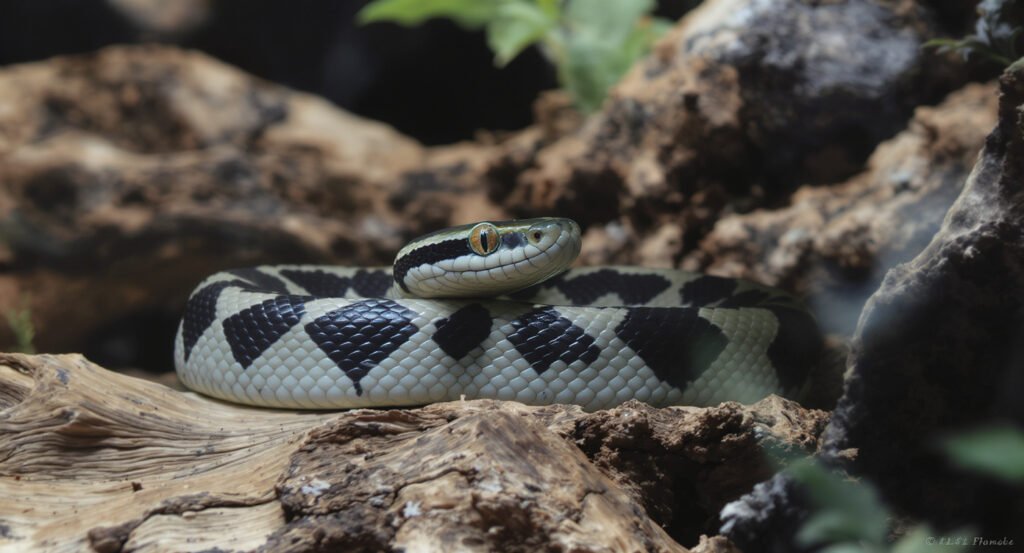
King snakes are among the most popular pet snakes for both beginners and experienced reptile keepers. These beautiful, docile constrictors are known for their hardiness, manageable size, and striking color patterns. Whether you’re considering a California king snake, a Mexican black king snake, or one of the many other subspecies, this comprehensive care guide will help you provide the best possible environment for your pet.
Understanding King Snake Species and Varieties
The term “king snake” refers to several species within the genus Lampropeltis. Common varieties include the California king snake, Eastern king snake, Mexican black king snake, and desert king snake. These snakes earned their “king” title because they’re ophiophagous—they eat other snakes, including venomous species—though in captivity, they thrive on a rodent-based diet.
Most king snakes reach 3-5 feet in length, with some individuals growing slightly larger. Their lifespan in captivity typically ranges from 15-25 years with proper care, making them a long-term commitment worth preparing for thoroughly.
King Snake Enclosure Setup and Housing Requirements
A proper enclosure is fundamental to king snake health. Hatchlings can start in a 10-20 gallon terrarium, but adults require at least a 30-40 gallon tank (36″ x 18″ footprint minimum). Larger is always better, as it provides more opportunities for natural behaviors and exercise.
Worried About Your Reptile's Health?
Upload a photo and get instant AI health analysis. Catch problems before they become expensive vet bills.
Get Free Health Check →Essential Enclosure Components
- Secure lid: King snakes are escape artists and can push through loose-fitting lids
- Substrate: Aspen shavings, cypress mulch, or paper-based bedding work well; avoid cedar and pine
- Hide boxes: Provide at least two—one on the warm side and one on the cool side
- Water bowl: Large enough for soaking, changed daily
- Climbing branches: Optional but enriching, especially for younger snakes
Temperature and Humidity Requirements for King Snakes
Thermoregulation is critical for king snake health. Create a thermal gradient with a basking spot of 85-90°F on the warm end and 70-75°F on the cool end. Use an under-tank heater or heat tape controlled by a thermostat—never rely on heat rocks, which can cause burns.
Nighttime temperatures can drop to 68-72°F. Always monitor temperatures with reliable digital thermometers placed at both ends of the enclosure.
King snakes require moderate humidity levels of 40-60%. This can be maintained through regular misting and a consistently full water bowl. During shedding periods, slightly increase humidity to 50-60% to facilitate a complete shed.
King Snake Diet and Feeding Schedule
In captivity, king snakes thrive on a diet of appropriately-sized rodents. Hatchlings should eat pinky mice every 5-7 days, while adults typically eat adult mice or small rats every 7-10 days. The prey item should be roughly the same width as the snake’s body at its widest point.
Never Miss Early Warning Signs
AI photo analysis catches subtle health issues humans miss 80% of the time. Early detection = healthier reptile + lower vet bills.
Start Free Trial →Most keepers prefer frozen-thawed prey for safety and convenience. Thaw rodents in warm water, never in a microwave, and offer them with feeding tongs to prevent accidental bites. To track your pet’s feeding schedule with precision and set helpful reminders, you can use the ReptileCoach app to maintain detailed health records.
Feeding Best Practices
- Feed in the evening when king snakes are most active
- Consider feeding in a separate container to reduce substrate ingestion and feeding aggression
- Wait 24-48 hours after feeding before handling to prevent regurgitation
- Adjust prey size as your snake grows, never feeding items larger than the widest part of the body
Handling Your King Snake Safely
King snakes are generally docile and tolerate handling well, making them excellent for beginners. However, hatchlings may be defensive and might musk or bite when first handled. With regular, gentle handling sessions of 10-15 minutes, most king snakes become calm and confident.
Always support the snake’s body, avoid sudden movements, and wash your hands before and after handling. If your snake shows signs of stress—rapid breathing, attempts to flee, or defensive posturing—return it to its enclosure and try again another day.
Avoid handling during shedding periods, as their vision is impaired and they may be more defensive. Also refrain from handling for 48 hours after feeding.
Join thousands of successful reptile owners
Try ReptileCoach Free →Health Concerns and Common King Snake Issues
King snakes are hardy reptiles, but they can develop health issues without proper care. Watch for signs of illness including:
- Retained shed, especially around the eyes or tail tip
- Respiratory infections (wheezing, mucus around nostrils, open-mouth breathing)
- Mites (tiny black or red dots moving on the snake or in water bowl)
- Loss of appetite lasting more than two feeding cycles
- Regurgitation or abnormal feces
Prevention is always better than treatment. Maintain proper temperatures and humidity, quarantine new animals, and keep the enclosure clean with weekly spot-cleaning and monthly deep cleaning.
Breeding Considerations for King Snakes
While breeding is beyond the scope of basic care, it’s worth noting that king snakes reach sexual maturity at 2-4 years of age. Breeding requires a cooling period (brumation) and careful management. New keepers should focus on mastering basic husbandry before attempting to breed.
Conclusion: Setting Up Your King Snake for Success
King snakes make exceptional pets for reptile enthusiasts at any experience level. By providing the proper enclosure setup, maintaining appropriate temperatures and humidity, offering a consistent feeding schedule, and handling your snake regularly, you’ll enjoy a healthy, thriving companion for decades. Remember that each snake has its own personality—some are more active, others more shy—but with patience and proper care, your king snake will become a rewarding addition to your home.
"This app saved my bearded dragon's life. The AI caught early MBD in photos I thought looked completely normal. Worth every penny!"
— Sarah K., ReptileCoach User
Get Your Free 7-Day Trial →Ready to Give Your Reptile the Best Care?
Stop guessing and start knowing. Get personalized AI-powered care guidance, photo health analysis, and 24/7 expert advice for YOUR specific reptile.
Get Personalized Care Guidance
AI-powered photo analysis and daily care tracking for YOUR reptile
Try Free for 7 Days →