
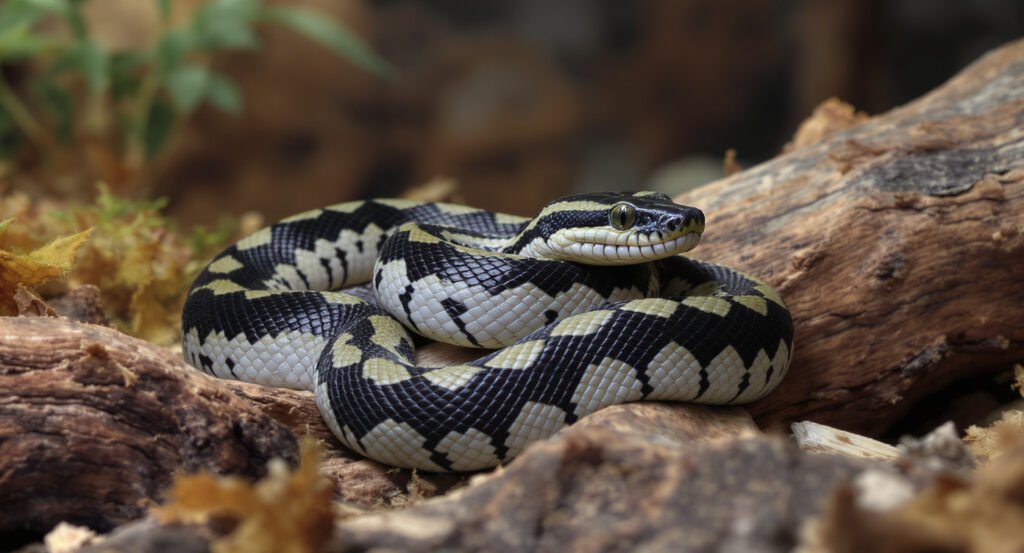
King snakes are among the most popular pet snakes for both beginners and experienced reptile keepers. Known for their docile temperament, striking patterns, and relatively simple care requirements, these North American natives make excellent companions. This comprehensive guide covers everything you need to know about proper king snake care, from enclosure setup to feeding schedboards and health maintenance.
Understanding King Snake Species and Varieties
King snakes belong to the genus Lampropeltis and include several popular subspecies. The California king snake, with its distinctive black and white banding, is perhaps the most recognizable. Other varieties include the Mexican black king snake, Florida king snake, and desert king snake. Most king snakes reach 3-4 feet in length, though some individuals can grow up to 6 feet. Their lifespan in captivity typically ranges from 15-25 years with proper care, making them a long-term commitment.
King Snake Enclosure Setup and Housing Requirements
Proper housing is fundamental to king snake health. A 20-gallon tank works for juveniles, but adult king snakes need at least a 40-gallon enclosure. Glass terrariums with secure screen tops are ideal, as king snakes are notorious escape artists and can squeeze through surprisingly small gaps.
Substrate Options for King Snakes
Choose a substrate that maintains humidity while being easy to clean. Suitable options include:
Worried About Your Reptile's Health?
Upload a photo and get instant AI health analysis. Catch problems before they become expensive vet bills.
Get Free Health Check →- Aspen shavings: Excellent for burrowing and absorbing waste
- Cypress mulch: Retains moisture well for proper humidity levels
- Paper towels: Best for quarantine or young snakes, though less naturalistic
- Reptile carpet: Reusable and hygienic but requires regular washing
Avoid cedar or pine shavings, which contain oils toxic to reptiles.
Temperature and Lighting Requirements
King snakes are ectothermic and require a proper thermal gradient. The warm side should maintain 85-88°F, while the cool side stays around 72-75°F. Use an under-tank heating pad or ceramic heat emitter to create this gradient. Always monitor temperatures with reliable digital thermometers on both sides of the enclosure.
King snakes don’t require UVB lighting, but a consistent day-night cycle benefits their circadian rhythm. Provide 12 hours of light and 12 hours of darkness using a simple LED or fluorescent bulb.
King Snake Diet and Feeding Schedule
King snakes are carnivorous constrictors that primarily eat rodents in captivity. Their name comes from their ability to eat other snakes in the wild, including venomous species, though this isn’t necessary or recommended for captive diets.
Never Miss Early Warning Signs
AI photo analysis catches subtle health issues humans miss 80% of the time. Early detection = healthier reptile + lower vet bills.
Start Free Trial →What to Feed Your King Snake
Feed appropriately-sized frozen-thawed rodents. The prey item should be no wider than the thickest part of your snake’s body. Hatchlings typically eat pinky mice, while adults consume adult mice or small rats. Frozen-thawed prey is safer than live prey, which can injure your snake.
How Often to Feed King Snakes
- Hatchlings and juveniles: Every 5-7 days
- Adults: Every 7-10 days
- Large adults: Every 10-14 days
To make tracking your king snake’s feeding routine easier, you can monitor feeding schedules and health records with the ReptileCoach app, which helps ensure you’re maintaining consistent care patterns.
Humidity and Water Requirements
King snakes thrive with humidity levels between 40-60%. Maintain proper humidity by misting the enclosure lightly every few days and providing a large water bowl. The water dish should be large enough for your snake to soak in, which helps with hydration and shedding.
Change water daily to prevent bacterial growth. During shedding periods, you may need to increase humidity slightly to prevent stuck shed, especially around the eye caps and tail tip.
Join thousands of successful reptile owners
Try ReptileCoach Free →Handling Your King Snake Safely
King snakes are generally docile and tolerate handling well once acclimated. Wait at least 48 hours after feeding before handling to prevent regurgitation. Start with short 5-10 minute sessions and gradually increase as your snake becomes comfortable.
Support your snake’s body properly, allowing it to move through your hands. Avoid sudden movements and never handle your snake near your face. Wash your hands before and after handling to prevent disease transmission. Some king snakes may musk (release a foul-smelling fluid) when stressed, but this behavior typically decreases with regular, gentle handling.
Common King Snake Health Issues and Prevention
Healthy king snakes are alert, have clear eyes (except when in shed), and display smooth, even scales. Watch for these common health concerns:
Respiratory Infections
Signs include wheezing, mucus around the mouth, and open-mouth breathing. Respiratory infections often result from temperatures that are too low or excessive humidity. Maintain proper temperature gradients and humidity levels to prevent this condition.
"This app saved my bearded dragon's life. The AI caught early MBD in photos I thought looked completely normal. Worth every penny!"
— Sarah K., ReptileCoach User
Get Your Free 7-Day Trial →Mites and Parasites
Snake mites appear as tiny black or red dots moving on your snake’s scales. Quarantine new snakes for 30 days and inspect them carefully. External parasites require specialized treatment, so consult a reptile veterinarian if you suspect mites.
Stuck Shed
Incomplete shedding indicates humidity problems. Provide a humid hide box filled with damp sphagnum moss during shedding periods. If shed remains stuck, a gentle soak in lukewarm water can help, but never forcibly remove stuck shed.
Breeding King Snakes: Considerations for Advanced Keepers
King snakes reach sexual maturity around 2-3 years old. Breeding requires cooling periods (brumation) and careful temperature manipulation. Only experienced keepers should attempt breeding, as it requires significant knowledge and resources. Genetic considerations are important, particularly avoiding breeding morphs that carry harmful genetic traits.
Essential King Snake Care Supplies Checklist
Before bringing your king snake home, ensure you have these essential items:
Worried About Your Reptile's Health?
Upload a photo and get instant AI health analysis. Catch problems before they become expensive vet bills.
Get Free Health Check →- Appropriately-sized enclosure (40+ gallons for adults)
- Secure screen lid with locks
- Under-tank heater or ceramic heat emitter
- Two thermometers (warm and cool sides)
- Hygrometer for humidity monitoring
- Suitable substrate
- Water bowl large enough for soaking
- Two hide boxes (warm and cool sides)
- Climbing branches or decorations
- Frozen-thawed rodents
Conclusion: Thriving King Snake Care
King snakes represent an excellent choice for reptile enthusiasts of all experience levels. Their manageable size, docile temperament, and straightforward care requirements make them ideal captives. By providing proper housing with correct temperatures, feeding an appropriate diet, maintaining humidity, and handling responsibly, your king snake can thrive for decades. Remember that every snake is an individual—observe your pet’s behavior and adjust care as needed. With attention to these fundamental care principles, you’ll enjoy a rewarding relationship with one of North America’s most captivating serpents.
Ready to Give Your Reptile the Best Care?
Stop guessing and start knowing. Get personalized AI-powered care guidance, photo health analysis, and 24/7 expert advice for YOUR specific reptile.
Get Personalized Care Guidance
AI-powered photo analysis and daily care tracking for YOUR reptile
Try Free for 7 Days →