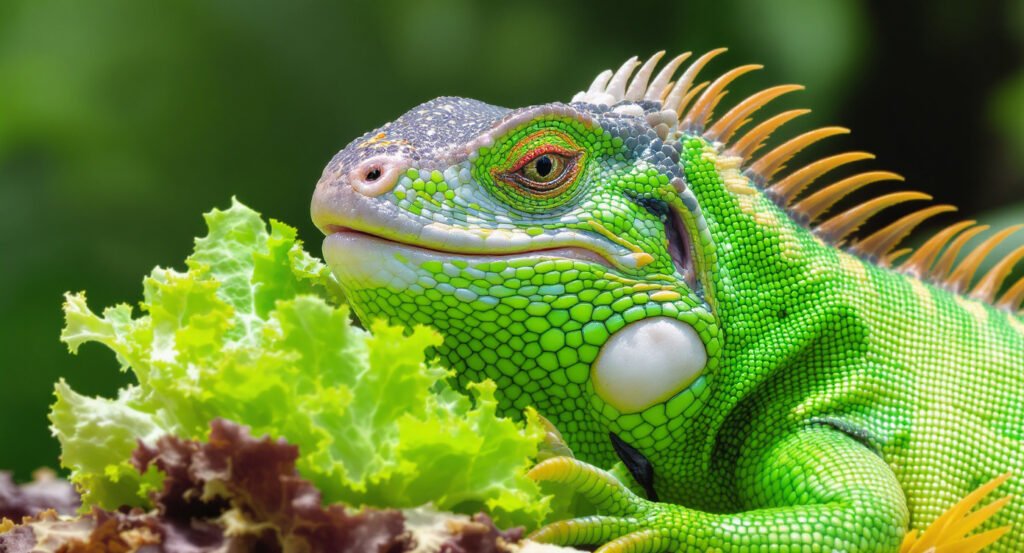
Feeding a green iguana properly is one of the most important aspects of reptile care. These herbivorous lizards require a carefully balanced diet to thrive in captivity, and understanding their nutritional needs can mean the difference between a healthy, vibrant pet and one plagued by metabolic bone disease and other preventable health issues.
Understanding Green Iguana Nutritional Requirements
Green iguanas (Iguana iguana) are strict herbivores in the wild, consuming leaves, flowers, and fruits from tropical vegetation. In captivity, replicating this diet requires knowledge of proper calcium-to-phosphorus ratios, appropriate protein levels, and which plant materials provide optimal nutrition.
The foundation of a healthy green iguana diet should consist of 80-90% dark leafy greens and vegetables, with the remaining 10-20% coming from fruits and flowers. This ratio ensures your iguana receives adequate calcium, vitamins, and fiber while avoiding excessive sugar and inappropriate protein sources.
Best Staple Foods for Green Iguanas
Building your iguana’s daily meals around these calcium-rich, nutritious greens will support healthy bone development and overall wellbeing:
Worried About Your Reptile's Health?
Upload a photo and get instant AI health analysis. Catch problems before they become expensive vet bills.
Get Free Health Check →- Collard greens – excellent calcium source and highly digestible
- Mustard greens – nutrient-dense with a favorable calcium-to-phosphorus ratio
- Turnip greens – another calcium-rich option iguanas readily accept
- Dandelion greens – wild or organic varieties provide excellent nutrition
- Butternut squash – good source of vitamin A when fed in moderation
- Green beans – adds variety and fiber to the diet
- Bell peppers (red, yellow, orange) – rich in vitamins and antioxidants
Rotating Your Iguana’s Greens
Variety prevents nutritional deficiencies and keeps your iguana interested in meals. Rotate between 4-6 different greens throughout the week, offering a mix of at least 3-4 types per feeding. This approach ensures comprehensive nutrition while mimicking the dietary diversity iguanas experience in their natural habitat.
Foods to Feed Sparingly
While these foods can be included in your green iguana’s diet, they should comprise no more than 10-20% of total food intake:
- Fruits (mango, papaya, berries, melon) – high sugar content makes these occasional treats rather than staples
- Hibiscus flowers – nutritious and enjoyed by most iguanas, but should supplement rather than replace greens
- Rose petals – safe and appealing, offer occasionally for enrichment
- Carrots – contain vitamin A but are higher in sugar than leafy greens
Foods to Avoid Completely
Never feed your green iguana these items, as they can cause serious health problems:
- Animal protein (insects, eggs, meat, dairy) – iguanas cannot properly digest animal proteins and these can lead to kidney failure
- Spinach and Swiss chard – contain oxalates that bind calcium and prevent absorption
- Lettuce (iceberg, romaine) – nutritionally deficient with poor calcium content
- Cabbage and broccoli – goitrogens interfere with thyroid function when fed regularly
- Processed human foods – toxic additives and inappropriate nutritional profiles
Calcium and Vitamin Supplementation
Even with an optimal diet, green iguanas in captivity benefit from calcium supplementation. Dust vegetables with calcium powder (without vitamin D3 for iguanas with proper UVB lighting) 2-3 times weekly. For juvenile iguanas experiencing rapid growth, daily calcium supplementation may be appropriate.
Never Miss Early Warning Signs
AI photo analysis catches subtle health issues humans miss 80% of the time. Early detection = healthier reptile + lower vet bills.
Start Free Trial →A high-quality reptile multivitamin should be provided once weekly to ensure adequate vitamin A, vitamin E, and other micronutrients. Always use reptile-specific supplements rather than human vitamins, which have inappropriate formulations for reptiles.
Proper UVB Lighting and Calcium Metabolism
No discussion of green iguana nutrition is complete without addressing UVB lighting. Iguanas require UVB radiation to synthesize vitamin D3, which is essential for calcium absorption. Without adequate UVB exposure, even a calcium-rich diet cannot prevent metabolic bone disease.
Provide a high-output UVB bulb (10-12% UVB) positioned 12-18 inches from basking areas, and replace bulbs every 6-12 months as their UVB output diminishes over time even when they still produce visible light.
Feeding Schedule and Portion Sizes
Adult green iguanas should be fed once daily, preferably in the morning after they’ve had time to bask and raise their body temperature. Hatchlings and juveniles may benefit from twice-daily feeding to support their rapid growth.
Join thousands of successful reptile owners
Try ReptileCoach Free →Portion sizes vary based on your iguana’s age and size, but a general guideline is to offer a salad roughly the size of the iguana’s body (excluding tail). Remove uneaten food after 2-3 hours to prevent spoilage and maintain enclosure cleanliness.
Hydration Matters
While green iguanas obtain much of their water from fresh vegetables, providing a clean water dish is essential. Many iguanas also appreciate being misted or soaked in shallow lukewarm water 2-3 times weekly, which aids in hydration and supports healthy shedding.
Signs of Nutritional Problems
Monitor your green iguana for these warning signs that may indicate dietary deficiencies:
- Swollen or misshapen jaw (metabolic bone disease)
- Lethargy and weakness
- Tremors or difficulty walking
- Loss of appetite
- Dull coloration or poor skin quality
If you observe any of these symptoms, consult a reptile veterinarian immediately. Early intervention can prevent permanent damage from nutritional disorders.
"This app saved my bearded dragon's life. The AI caught early MBD in photos I thought looked completely normal. Worth every penny!"
— Sarah K., ReptileCoach User
Get Your Free 7-Day Trial →Keep your reptile healthy with feeding logs, care reminders, and health tracking — try the free ReptileCoach app.
Ready to Give Your Reptile the Best Care?
Stop guessing and start knowing. Get personalized AI-powered care guidance, photo health analysis, and 24/7 expert advice for YOUR specific reptile.
Get Personalized Care Guidance
AI-powered photo analysis and daily care tracking for YOUR reptile
Try Free for 7 Days →