
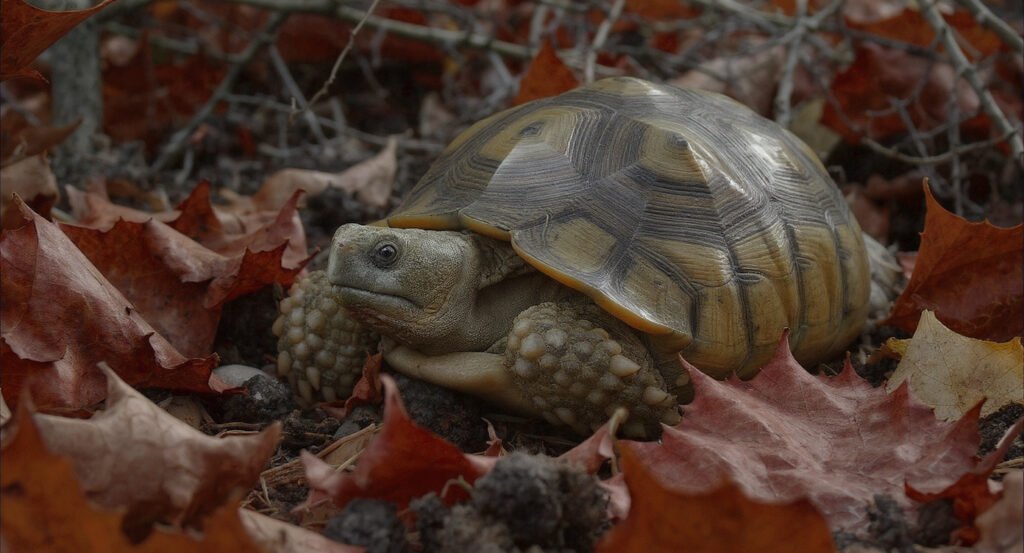
Tortoise hibernation, scientifically known as brumation, is a natural physiological process that many tortoise species undergo during colder months. Understanding how to properly facilitate hibernation is crucial for the health and longevity of your pet tortoise. This comprehensive guide covers everything you need to know about tortoise brumation, from preparation to post-hibernation care.
What is Tortoise Hibernation?
Hibernation in tortoises is a state of dormancy triggered by decreasing temperatures and shorter daylight hours. During this period, the tortoise’s metabolic rate slows dramatically, reducing energy consumption and allowing survival through winter when food is scarce. Not all tortoise species hibernate—tropical species like red-footed and sulcata tortoises do not require hibernation, while Mediterranean species such as Hermann’s, Russian, and Greek tortoises are natural hibernators.
Which Tortoise Species Need Hibernation?
Common hibernating tortoise species include:
- Hermann’s Tortoise (Testudo hermanni)
- Russian Tortoise (Testudo horsfieldii)
- Greek Tortoise (Testudo graeca)
- Horsfield’s Tortoise
- Marginated Tortoise (Testudo marginata)
These species originate from temperate climates where seasonal hibernation is part of their natural lifecycle. Preventing hibernation in these species can lead to health issues and reduced lifespan.
Worried About Your Reptile's Health?
Upload a photo and get instant AI health analysis. Catch problems before they become expensive vet bills.
Get Free Health Check →Pre-Hibernation Preparation
Health Assessment
Before allowing your tortoise to hibernate, a thorough health check is essential. Only healthy tortoises should hibernate. Schedule a veterinary examination 4-6 weeks before the intended hibernation period. Your vet will check for respiratory infections, parasites, and ensure adequate weight. Sick, underweight, or juvenile tortoises under 3 years old should not hibernate.
The Starvation Period
Two to three weeks before hibernation, begin reducing food intake gradually. During the final 10-14 days, stop feeding completely to allow the digestive tract to empty. A tortoise entering hibernation with food in its system risks fatal bacterial infections as the food ferments at low temperatures. Continue providing water during this fasting period, and give regular lukewarm baths to encourage defecation.
Weight Monitoring
Weigh your tortoise weekly during pre-hibernation and throughout the hibernation period. A healthy tortoise should not lose more than 1% of body weight per month during hibernation. Excessive weight loss indicates problems requiring immediate intervention.
Hibernation Setup Requirements
Temperature Control
The ideal hibernation temperature range is 40-45°F (4-7°C). Temperatures above 50°F (10°C) prevent proper hibernation and increase metabolic demands without allowing the tortoise to eat. Temperatures below 37°F (3°C) risk freezing and organ damage. Use a dedicated refrigerator with a reliable thermometer to maintain consistent temperatures.
Never Miss Early Warning Signs
AI photo analysis catches subtle health issues humans miss 80% of the time. Early detection = healthier reptile + lower vet bills.
Start Free Trial →Hibernation Box Setup
Create a proper hibernation container using these materials:
- Sturdy cardboard or wooden box with ventilation holes
- Clean, dry substrate such as shredded paper or dried leaves
- Smaller inner box containing the tortoise
- Insulation layer between boxes
- Thermometer for temperature monitoring
Place the tortoise in the inner box surrounded by substrate, ensuring it cannot turn over. The outer box provides additional insulation and protection from temperature fluctuations.
Hibernation Duration
Hibernation length varies by species, age, and health status. General guidelines include:
- First-time hibernators: 6-8 weeks maximum
- Adult healthy tortoises: 8-12 weeks
- Older tortoises: 12-16 weeks
Mediterranean species typically hibernate from November through March in their natural habitat. Start with shorter durations and gradually increase as your tortoise matures and you gain experience.
Join thousands of successful reptile owners
Try ReptileCoach Free →Monitoring During Hibernation
Check your hibernating tortoise every 2-3 weeks. Perform these checks:
- Weigh the tortoise and record weight
- Check for signs of urination or defecation
- Verify temperature remains stable
- Look for signs of waking (movement, open eyes)
- Check for signs of illness (discharge, swelling)
Minimize disturbance during checks. Handle the tortoise briefly and return it to hibernation conditions immediately if no issues are detected.
Common Hibernation Mistakes to Avoid
Hibernating Unhealthy Tortoises
The most dangerous mistake is allowing a sick or underweight tortoise to hibernate. Always conduct pre-hibernation health assessments and skip hibernation if any concerns exist.
Improper Temperature Management
Temperature fluctuations stress the tortoise and can cause premature waking or inadequate hibernation. Invest in quality temperature monitoring equipment and avoid placing hibernation boxes in areas with variable temperatures like garages or sheds without climate control.
"This app saved my bearded dragon's life. The AI caught early MBD in photos I thought looked completely normal. Worth every penny!"
— Sarah K., ReptileCoach User
Get Your Free 7-Day Trial →Insufficient Pre-Hibernation Fasting
Rushing the fasting period leaves food in the digestive system, creating serious health risks. Follow the 2-3 week fasting protocol strictly.
Hibernating Young Tortoises
Tortoises under 3 years old or weighing less than 1 pound should not undergo full hibernation. Their limited fat reserves put them at risk during extended dormancy periods.
Using Outdoor Hibernation Without Experience
While outdoor hibernation is natural, it’s risky without proper setup and experience. Beginners should use controlled indoor hibernation methods until familiar with the process.
Post-Hibernation Care
Waking your tortoise requires gradual warming over 24-48 hours. Move the hibernation box to a room at 50-60°F (10-15°C) for 12 hours, then to normal room temperature. Once fully awake, provide a warm bath to rehydrate and stimulate kidney function.
Worried About Your Reptile's Health?
Upload a photo and get instant AI health analysis. Catch problems before they become expensive vet bills.
Get Free Health Check →Expect your tortoise to be sluggish for several days. Offer water immediately but wait 2-3 days before introducing food. Start with easily digestible options like dandelion greens and gradually return to normal diet. Monitor eating, drinking, and defecation patterns closely during the first two weeks.
Schedule a post-hibernation veterinary check within two weeks of waking, especially if the tortoise seems lethargic, refuses food, or shows respiratory symptoms.
Simplify Your Tortoise Care Routine
Managing hibernation schedules, weight tracking, and health monitoring can be complex. Track your reptile’s care schedule, hibernation periods, weight changes, and feeding routines effortlessly with ReptileCoach App. Get reminders for health checks, access expert care guides, and maintain detailed records to ensure your tortoise receives optimal care throughout the year.
Ready to Give Your Reptile the Best Care?
Stop guessing and start knowing. Get personalized AI-powered care guidance, photo health analysis, and 24/7 expert advice for YOUR specific reptile.
Get Personalized Care Guidance
AI-powered photo analysis and daily care tracking for YOUR reptile
Try Free for 7 Days →