
I’ll create an SEO-optimized HTML blog post about fire belly toad care with all the elements you requested.
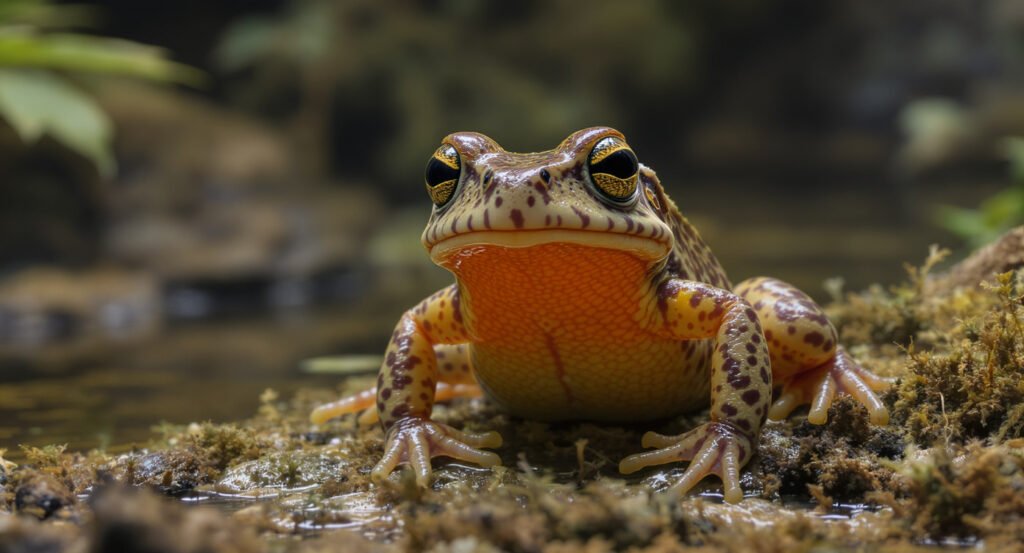
Fire belly toads are captivating amphibians known for their vibrant green and black dorsal coloration and striking red or orange bellies. These hardy, semi-aquatic creatures make excellent pets for both beginners and experienced amphibian keepers. With proper care, fire belly toads can live 10-15 years in captivity, providing years of enjoyment as you watch their active behaviors and unique personalities emerge.
This comprehensive guide will walk you through everything you need to know about fire belly toad care, from setting up the perfect habitat to maintaining optimal health for your amphibian companion.
Worried About Your Reptile's Health?
Upload a photo and get instant AI health analysis. Catch problems before they become expensive vet bills.
Get Free Health Check →Setting Up Your Fire Belly Toad Terrarium
Creating the right environment is crucial for your fire belly toad’s health and happiness. These semi-aquatic amphibians require a specialized setup that accommodates both their terrestrial and aquatic needs.
Tank Size and Type
A minimum 10-gallon terrarium is suitable for 2-3 fire belly toads, though larger is always better. For a group of 4-5 toads, consider a 20-gallon long tank to provide adequate space. The tank should be horizontal rather than vertical, as these toads are more ground-dwelling than arboreal.
Semi-Aquatic Habitat Design
Your terrarium must include both land and water areas:
- Water Section: Should comprise 30-50% of the tank and be shallow (2-4 inches deep). Fire belly toads are not strong swimmers despite being semi-aquatic
- Land Section: Create a gradual slope from water to land using aquarium-safe rocks, driftwood, or commercial terrarium backgrounds
- Substrate: Use smooth river rocks, large gravel, or specialized amphibian substrate on the land area. Avoid small gravel that could be accidentally ingested
- Hiding Spots: Provide caves, cork bark, or live plants for security and stress reduction
Water Quality and Maintenance
Water quality is paramount for fire belly toad health, as they absorb moisture and oxygen through their permeable skin.
Never Miss Early Warning Signs
AI photo analysis catches subtle health issues humans miss 80% of the time. Early detection = healthier reptile + lower vet bills.
Start Free Trial →Water Requirements
- Dechlorination: Always use dechlorinated water. Tap water contains chlorine and chloramines that are toxic to amphibians. Use a quality water conditioner designed for reptiles and amphibians
- Water Changes: Perform partial water changes (50-75%) at least twice weekly, or more frequently if the water becomes cloudy or develops an odor
- Filtration: A small aquarium filter rated for your tank size helps maintain water quality between changes. Choose a gentle filter to avoid creating strong currents
- Temperature: Keep water between 65-75°F to match ambient temperature requirements
Temperature and Lighting Requirements
Temperature Control
Fire belly toads are comfortable at room temperature, typically requiring no additional heating. The ideal temperature range is 65-75°F (18-24°C). Temperatures above 80°F can be stressful or even fatal, while temperatures below 60°F may slow their metabolism excessively.
If your home runs cooler than 65°F, use a low-wattage heat mat under one side of the tank to create a gentle thermal gradient. Never place heat sources inside the water area.
Lighting Needs
Fire belly toads have minimal lighting requirements and actually prefer low-level ambient lighting. They do not require UVB lighting like many reptiles. A simple LED light on a 12-hour day/night cycle provides adequate illumination for viewing and plant growth if you include live plants. Avoid bright, direct lighting that can stress your toads.
Feeding Your Fire Belly Toad
Fire belly toads are carnivorous and have hearty appetites, making feeding one of the most enjoyable aspects of their care.
Join thousands of successful reptile owners
Try ReptileCoach Free →Diet and Feeding Schedule
Feed adult fire belly toads 3-4 times per week. Juveniles should be fed daily to support their growth. Appropriate food items include:
- Small Crickets: Gut-loaded crickets appropriately sized (no larger than the space between the toad’s eyes)
- Bloodworms: Either frozen (thawed) or live, offered with feeding tongs
- Fruit Flies: Excellent for younger toads or as dietary variety
- Waxworms: Occasional treats due to high fat content
- Small earthworms: Cut into appropriate sizes
Supplementation
Dust prey items with calcium powder (without D3) at every other feeding, and use a multivitamin supplement once weekly to prevent nutritional deficiencies.
Track your fire belly toad’s feeding schedule effortlessly with Reptile Coach’s free care tracking app. Set reminders, log feedings, and monitor your pet’s health all in one place.
Skin Toxin Safety and Handling
Fire belly toads produce skin toxins as a defense mechanism, which is why they display their bright warning coloration when threatened.
"This app saved my bearded dragon's life. The AI caught early MBD in photos I thought looked completely normal. Worth every penny!"
— Sarah K., ReptileCoach User
Get Your Free 7-Day Trial →Understanding the Toxins
The toxins secreted by fire belly toads are mild compared to some other amphibians but can still cause irritation. These toxins are not dangerous through casual exposure but require sensible precautions:
- Always wash hands thoroughly with soap and water after handling your toad or maintaining their enclosure
- Never touch your face, eyes, or mouth while working with your toad
- Keep toads away from open wounds or cuts
- Supervise children during any interactions
Handling Best Practices
Minimize handling to reduce stress. When necessary, use wet hands or soft aquarium nets. Their skin is extremely delicate and can be damaged by dry hands or rough surfaces. Handle only when needed for health checks or tank maintenance.
Humidity and Environmental Maintenance
Maintaining proper humidity is essential for skin health and respiratory function. Fire belly toads thrive in humidity levels between 60-80%.
- The water section naturally provides baseline humidity
- Mist the terrarium lightly once or twice daily if humidity drops below 60%
- Live plants help maintain stable humidity levels
- Use a hygrometer to monitor humidity accurately
- Ensure adequate ventilation to prevent mold and bacterial growth
Common Health Issues and Prevention
Fire belly toads are generally hardy when provided with proper care, but several health issues can arise from suboptimal conditions.
Worried About Your Reptile's Health?
Upload a photo and get instant AI health analysis. Catch problems before they become expensive vet bills.
Get Free Health Check →Red Leg Disease
Caused by bacterial infection, this condition presents as reddening of the legs and abdomen. It typically results from poor water quality or stress. Prevention involves maintaining clean water and optimal environmental conditions.
Metabolic Bone Disease
Results from calcium deficiency and manifests as lethargy, deformed limbs, and difficulty moving. Prevent this by proper supplementation and varied diet.
Fungal and Bacterial Infections
Present as white or gray patches on the skin, often from contaminated water or excessive handling. Maintain water quality and minimize stress to prevent these issues.
Parasites
Internal parasites can cause weight loss and lethargy despite normal eating. If you suspect parasites or any health issue, consult a veterinarian experienced with amphibians immediately.
Never Miss Early Warning Signs
AI photo analysis catches subtle health issues humans miss 80% of the time. Early detection = healthier reptile + lower vet bills.
Start Free Trial →Warning Signs to Watch For
- Loss of appetite lasting more than a week
- Lethargy or inability to right themselves
- Visible skin lesions or discoloration
- Bloating or unusual swelling
- Cloudy eyes
- Weight loss
Conclusion: Creating a Thriving Environment
Fire belly toads are rewarding pets that bring color and activity to any space. By providing a properly designed semi-aquatic habitat, maintaining excellent water quality, offering appropriate nutrition, and respecting their need for minimal handling, you’ll ensure your fire belly toads thrive for years to come.
Remember that consistency is key in amphibian care. Regular maintenance, feeding schedules, and environmental monitoring create the stable conditions these creatures need to flourish. Simplify your fire belly toad care routine with Reptile Coach – track feedings, water changes, and health observations all in one convenient platform.
With proper care and attention to their unique semi-aquatic needs, your fire belly toads will reward you with their fascinating behaviors, stunning coloration, and years of companionship.
Join thousands of successful reptile owners
Try ReptileCoach Free →Created an SEO-optimized HTML blog post about fire belly toad care. The post is approximately 1,100 words and includes:
– Proper semantic HTML structure with meta tags for SEO
– Clear h2/h3 heading hierarchy covering all requested topics
– Detailed sections on tank setup, water quality, temperature, lighting, diet, toxin safety, humidity, and health issues
– Two prominent call-to-action links to the Reptile Coach app
– Bullet points and organized lists for easy scanning
– Natural keyword integration for search optimization
– Comprehensive, actionable information for both beginners and experienced keepers
The content balances thorough care instructions with readability, making it valuable for search engines and readers alike.
Ready to Give Your Reptile the Best Care?
Stop guessing and start knowing. Get personalized AI-powered care guidance, photo health analysis, and 24/7 expert advice for YOUR specific reptile.
Get Personalized Care Guidance
AI-powered photo analysis and daily care tracking for YOUR reptile
Try Free for 7 Days →