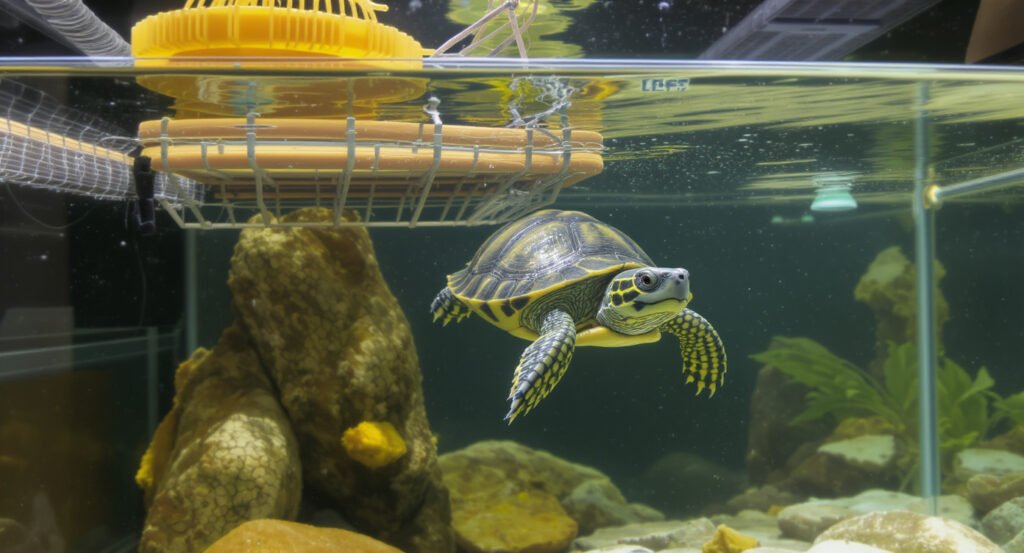
Setting up a proper habitat for your red-eared slider is the foundation of keeping these popular aquatic turtles healthy and thriving. A well-planned red-eared slider setup requires careful attention to tank size, water quality, basking areas, and environmental controls. This comprehensive guide walks you through every component you need to create an ideal home for your turtle.
Choosing the Right Tank Size for Your Red-Eared Slider
Tank size is the most critical decision in your red-eared slider setup. These turtles grow surprisingly large, with adults reaching 8-12 inches in shell length. The general rule is to provide 10 gallons of water per inch of shell length, meaning a full-grown slider needs a minimum 100-gallon aquarium.
For hatchlings (2-3 inches), start with a 40-gallon tank, but plan to upgrade as your turtle grows. Many keepers opt for large plastic stock tanks, custom-built enclosures, or even indoor ponds to accommodate adult turtles. Investing in a larger setup from the beginning saves money and stress in the long run.
Essential Filtration for Clean Water
Red-eared sliders are messy eaters and produce significant waste, making powerful filtration non-negotiable. Your filter should be rated for at least double your tank’s water volume. For a 75-gallon tank, use a filter rated for 150 gallons.
Worried About Your Reptile's Health?
Upload a photo and get instant AI health analysis. Catch problems before they become expensive vet bills.
Get Free Health Check →Canister filters are the gold standard for red-eared slider setups because they provide mechanical, chemical, and biological filtration while handling the high waste load. Popular choices include the Fluval FX series or Penn-Plax Cascade models. Some keepers supplement with sponge filters for additional biological filtration.
Even with excellent filtration, plan for weekly partial water changes of 25-30% to maintain water quality. Use a gravel vacuum to remove debris from the bottom during water changes.
Water Depth and Temperature Requirements
Red-eared sliders need water deep enough to swim and turn around comfortably. Provide a minimum depth of 1.5-2 times your turtle’s shell length. For a 6-inch turtle, that means at least 9-12 inches of water depth.
Water temperature should be maintained between 75-78°F using a submersible aquarium heater. Choose a heater rated for your tank size and use a heater guard to prevent burns if your turtle comes in contact with it. A reliable aquarium thermometer helps you monitor temperature accurately.
Never Miss Early Warning Signs
AI photo analysis catches subtle health issues humans miss 80% of the time. Early detection = healthier reptile + lower vet bills.
Start Free Trial →Creating the Perfect Basking Area
The basking platform is where your red-eared slider will spend several hours daily drying off, regulating body temperature, and absorbing UVB. The basking area should be completely dry, easily accessible, and large enough for your turtle to turn around.
Commercial basking platforms like floating docks work for smaller turtles, but adults often need custom solutions. Many keepers build basking areas using stacked slate, PVC platforms, or even create land sections using aquarium-safe silicone and egg crate. The key is ensuring it’s sturdy and won’t collapse under your turtle’s weight.
Position the basking spot so your turtle can climb out easily using a gentle ramp or textured surface. The basking temperature should reach 88-92°F, measured with a digital thermometer.
Lighting: UVB and Heat Bulbs Explained
Proper lighting is vital for your red-eared slider setup. You need two types of bulbs working together:
Join thousands of successful reptile owners
Try ReptileCoach Free →- UVB bulb: Essential for vitamin D3 synthesis and calcium absorption. Use a 10.0 UVB fluorescent bulb or Mercury vapor bulb positioned 10-12 inches above the basking spot. Replace UVB bulbs every 6-12 months as their effectiveness diminishes.
- Heat bulb: Creates the warm basking temperature. A standard incandescent bulb (75-100 watts) or a ceramic heat emitter works well. Adjust wattage based on your room temperature to achieve 88-92°F on the basking platform.
Run lights on a 12-hour cycle to mimic natural day/night rhythms. Timers automate this process and maintain consistency.
Substrate Choices for Red-Eared Slider Tanks
Substrate in a red-eared slider setup is optional and often debated. A bare-bottom tank is easiest to clean and maintain. If you prefer substrate for aesthetics, choose large river rocks (too large to swallow) or sand.
Avoid gravel smaller than your turtle’s head, as sliders may ingest it while feeding, causing impaction. Whatever you choose, factor in the extra cleaning effort required to maintain water quality.
Additional Equipment and Accessories
Round out your red-eared slider setup with these items:
"This app saved my bearded dragon's life. The AI caught early MBD in photos I thought looked completely normal. Worth every penny!"
— Sarah K., ReptileCoach User
Get Your Free 7-Day Trial →- Water conditioner: Removes chlorine and chloramines from tap water
- Hiding spots: PVC pipes or aquarium decorations provide security
- Feeding platform: Reduces mess by containing food in one area
- Backup equipment: Keep spare heaters and bulbs on hand for emergencies
Water Quality Testing and Maintenance
Regular water testing prevents health issues. Test weekly for ammonia, nitrite, nitrate, and pH using an aquarium test kit. Ideal parameters are:
- Ammonia: 0 ppm
- Nitrite: 0 ppm
- Nitrate: Below 40 ppm
- pH: 6.5-8.0
If levels are off, increase water change frequency or upgrade your filtration. Established tanks with good biological filtration handle waste more effectively.
Common Setup Mistakes to Avoid
New red-eared slider owners often make these errors:
- Starting with a tank that’s too small
- Using inadequate filtration
- Placing UVB bulbs behind glass or plastic, which blocks UVB rays
- Setting water temperatures too cold
- Skipping regular water changes despite good filtration
Avoiding these mistakes from the start saves your turtle from health problems and saves you from costly corrections later.
Worried About Your Reptile's Health?
Upload a photo and get instant AI health analysis. Catch problems before they become expensive vet bills.
Get Free Health Check →Track Your Setup and Care with Technology
Managing a red-eared slider setup involves tracking water changes, temperature readings, feeding schedules, and equipment maintenance. The ReptileCoach App simplifies turtle care by helping you log daily tasks, set reminders for water changes and bulb replacements, and monitor your turtle’s growth over time. With organized care records at your fingertips, you’ll ensure your red-eared slider receives consistent, optimal care throughout its 30+ year lifespan.
Conclusion
A proper red-eared slider setup requires thoughtful planning and quality equipment, but the investment pays off with a healthy, active turtle. Focus on adequate space, powerful filtration, proper lighting, and consistent maintenance. By meeting these environmental needs, you’ll create a thriving habitat where your red-eared slider can live comfortably for decades. Start with the right foundation, and your turtle will reward you with years of fascinating behavior and companionship.
Ready to Give Your Reptile the Best Care?
Stop guessing and start knowing. Get personalized AI-powered care guidance, photo health analysis, and 24/7 expert advice for YOUR specific reptile.
Get Personalized Care Guidance
AI-powered photo analysis and daily care tracking for YOUR reptile
Try Free for 7 Days →