
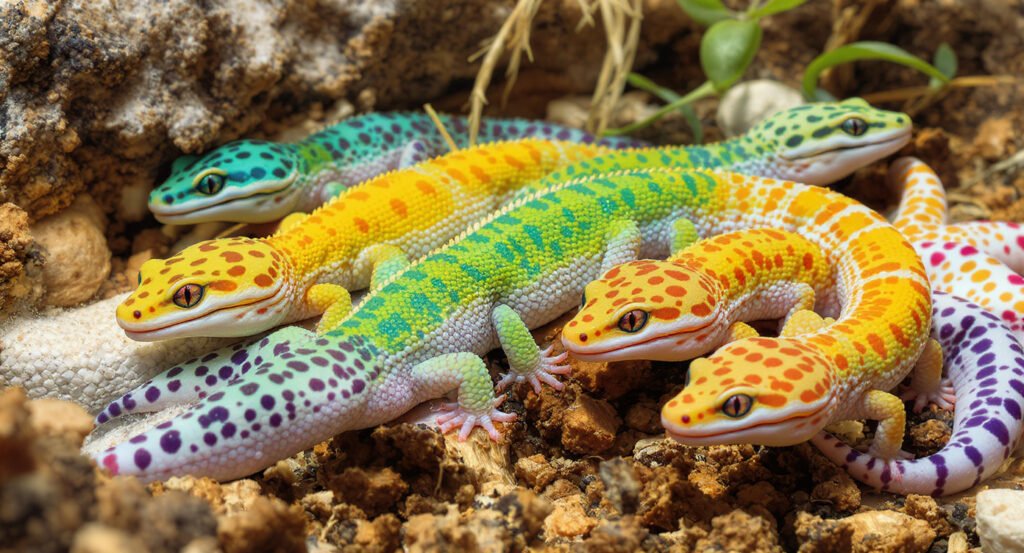
Leopard geckos are among the most popular reptile pets, and one of the biggest reasons for their appeal is the incredible variety of morphs available. From vibrant tangerines to striking albinos, gecko morphs offer something for every enthusiast. Whether you’re a beginner looking to understand morph basics or an experienced keeper interested in breeding genetics, this guide covers everything you need to know about leopard gecko morphs.
What Are Gecko Morphs?
A morph is a genetic variation that affects a gecko’s appearance, including color, pattern, and sometimes eye color. Through selective breeding, breeders have developed hundreds of distinct morphs over the past few decades. These morphs result from specific genetic traits that are passed from parents to offspring, making breeding both a science and an art.
Understanding morphs helps you make informed decisions when selecting a pet, predict offspring appearances if breeding, and better appreciate the genetic diversity within leopard geckos.
Popular Leopard Gecko Morphs
Normal or Wild Type
The normal morph resembles leopard geckos found in the wild, featuring yellow bodies with black spots. While not as flashy as designer morphs, normals are hardy, affordable, and perfect for beginners. They typically cost between $20-50 and make excellent starter geckos.
Worried About Your Reptile's Health?
Upload a photo and get instant AI health analysis. Catch problems before they become expensive vet bills.
Get Free Health Check →High Yellow
High yellow morphs display more intense yellow coloration with reduced black spotting compared to normals. As they mature, the yellow often becomes more vibrant. These geckos are slightly more expensive than normals, usually ranging from $40-80.
Tangerine
Tangerine morphs feature stunning orange coloration, particularly on the head, tail, and body. The intensity varies, with some individuals showing deep, saturated orange hues. Tangerines typically cost $80-150 depending on color intensity.
Albino Strains
There are three main albino strains in leopard geckos: Tremper, Bell, and Rainwater. Each produces geckos lacking black pigment, resulting in lighter colors with pink or red eyes. Albinos range from $100-300 depending on the strain and additional traits.
Blizzard
Blizzard morphs are patternless, appearing solid white, yellow, or gray. They’re prized for their clean, minimalist appearance. Blizzards typically cost $100-200.
Never Miss Early Warning Signs
AI photo analysis catches subtle health issues humans miss 80% of the time. Early detection = healthier reptile + lower vet bills.
Start Free Trial →Leopard and Mack Snow
Mack Snow morphs display black and white coloration rather than yellow and black. They’re highly popular and often combined with other traits. Expect to pay $80-250 for Mack Snow morphs.
Super Snow
When two Mack Snow geckos are bred together, some offspring become Super Snows—solid black and white geckos with black eyes. These striking morphs cost $200-400.
Enigma
Enigma morphs show unpredictable patterns with speckled spots and blotches. However, the enigma gene carries a neurological component that can cause balance issues in some individuals. Prices range from $150-300.
Jungle
Jungle morphs feature irregular, broken patterns instead of organized spots. The chaotic patterns make each gecko unique. Jungles typically cost $60-150.
Designer Morphs
By combining multiple traits, breeders create designer morphs like Black Night (Super Mack Snow + Eclipse + Typhoon), Galaxy (multiple recessive traits), and Dreamsicle (Mack Snow + Enigma + Tremper Albino). These rare combinations can cost $300-1,000 or more.
Join thousands of successful reptile owners
Try ReptileCoach Free →Understanding Gecko Genetics
Dominant Traits
Dominant morphs only need one copy of the gene to display the trait. Examples include Enigma, Jungle, and White & Yellow. If one parent carries a dominant gene, approximately 50% of offspring will display that trait.
Recessive Traits
Recessive morphs require two copies of the gene (one from each parent) to appear visually. Albino strains, Blizzard, and Eclipse are recessive. Breeding two visual recessives produces 100% visual offspring.
Co-Dominant Traits
Co-dominant morphs like Mack Snow have different appearances when heterozygous (one copy) versus homozygous (two copies). One Mack Snow gene produces a Mack Snow, while two produce a Super Snow.
Line-Bred Traits
Some traits like Tangerine and Hypo are line-bred, meaning they’re enhanced through selective breeding over generations rather than being controlled by single genes. These traits are polygenic and require careful selection to improve.
"This app saved my bearded dragon's life. The AI caught early MBD in photos I thought looked completely normal. Worth every penny!"
— Sarah K., ReptileCoach User
Get Your Free 7-Day Trial →Care Tips for Different Morphs
Most leopard gecko morphs have similar care requirements, but some need special attention:
Albinos: Sensitive to bright lighting due to reduced pigment. Provide adequate shade and avoid intense UVB or basking lights. Monitor for eye problems and ensure they can comfortably regulate their temperature.
Blizzards and Patternless: May be more prone to stress without natural camouflage patterns. Provide plenty of hides and minimize handling during acclimation.
Enigmas: Monitor for neurological symptoms like circling, stargazing, and balance issues. These geckos may need assistance with feeding and require stress-free environments.
Worried About Your Reptile's Health?
Upload a photo and get instant AI health analysis. Catch problems before they become expensive vet bills.
Get Free Health Check →All Morphs: Maintain temperatures of 88-92°F on the warm side and 70-75°F on the cool side, provide calcium supplementation, and ensure proper humidity for shedding.
Choosing Your First Morph
For beginners, start with hardier, more affordable morphs like Normals, High Yellows, or basic Tangerines. These geckos are proven to be robust and have no special requirements. As you gain experience, you can explore more complex morphs.
Consider these factors when selecting a morph:
- Budget: Morphs range from $20 to over $1,000
- Availability: Common morphs are easier to find and usually healthier
- Health: Avoid morphs with known health issues if you’re a beginner
- Breeding goals: If you plan to breed, research genetics thoroughly
- Personal preference: Choose colors and patterns you find appealing
Tracking Your Gecko’s Health and Care
Regardless of which morph you choose, consistent care tracking is essential for your gecko’s health. Recording feeding schedules, weight changes, shed cycles, and behavior patterns helps you catch potential issues early and provides valuable data for veterinary visits.
Never Miss Early Warning Signs
AI photo analysis catches subtle health issues humans miss 80% of the time. Early detection = healthier reptile + lower vet bills.
Start Free Trial →Ready to track your reptile’s health and care schedule? Try ReptileCoach App free today — the ultimate tool for reptile owners.
Final Thoughts
Leopard gecko morphs represent decades of careful breeding and genetic understanding. Whether you’re drawn to the bold colors of a Tangerine, the stark beauty of a Super Snow, or the classic appearance of a Normal, there’s a morph perfect for every keeper. Remember that while morphs affect appearance, all leopard geckos require the same dedication to proper husbandry, nutrition, and enrichment. Start with a healthy gecko from a reputable breeder, provide excellent care, and enjoy the rewarding experience of keeping these fascinating reptiles.
Ready to Give Your Reptile the Best Care?
Stop guessing and start knowing. Get personalized AI-powered care guidance, photo health analysis, and 24/7 expert advice for YOUR specific reptile.
Get Personalized Care Guidance
AI-powered photo analysis and daily care tracking for YOUR reptile
Try Free for 7 Days →