
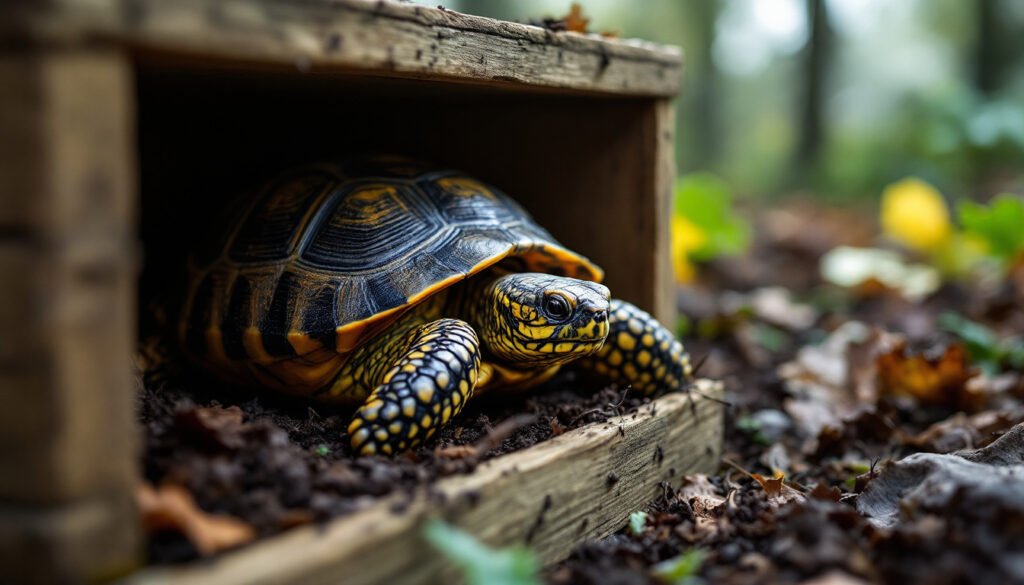
Tortoise hibernation, scientifically known as brumation, is a natural process that many tortoise species undergo during colder months. Understanding how to safely manage tortoise hibernation is essential for any tortoise keeper, as improper hibernation can lead to serious health complications or even death. This comprehensive guide covers everything you need to know about preparing your tortoise for hibernation and ensuring they emerge healthy in spring.
What Is Tortoise Hibernation?
Hibernation in tortoises is a state of dormancy triggered by dropping temperatures and shorter daylight hours. During this period, tortoises significantly slow their metabolic rate, heart rate, and breathing. In the wild, species like Hermann’s tortoises, Russian tortoises, and Mediterranean spur-thighed tortoises naturally hibernate to survive cold winters when food is scarce.
Not all tortoise species hibernate. Tropical species such as red-footed tortoises and leopard tortoises do not require hibernation and should be kept warm year-round. Before planning hibernation for your tortoise, verify that your specific species naturally hibernates in the wild.
When Should Tortoises Hibernate?
The timing of tortoise hibernation depends on your geographical location and climate. In the Northern Hemisphere, tortoises typically begin hibernation between October and November, emerging in March or April. The hibernation period usually lasts 8-12 weeks for juvenile tortoises and up to 12-20 weeks for healthy adults.
Worried About Your Reptile's Health?
Upload a photo and get instant AI health analysis. Catch problems before they become expensive vet bills.
Get Free Health Check →Temperature is the primary trigger for hibernation. When ambient temperatures consistently drop below 50°F (10°C), tortoises naturally begin preparing for dormancy. However, controlled hibernation in captivity requires careful planning rather than simply exposing your tortoise to cold temperatures.
Pre-Hibernation Health Assessment
Before allowing your tortoise to hibernate, a thorough health check is critical. Only healthy tortoises should hibernate, as the process places significant stress on their systems. Schedule a veterinary examination at least 4-6 weeks before planned hibernation.
Signs Your Tortoise Is Healthy Enough to Hibernate
- Clear, bright eyes without discharge or swelling
- Healthy body weight with no visible ribs or concave shell
- Active and alert behavior during warm weather
- Normal breathing without wheezing or open-mouth breathing
- No signs of respiratory infection, shell rot, or parasites
- Regular eating and defecation patterns
Tortoises that are underweight, sick, very young (under 2-3 years for most species), or recently acquired should not hibernate. These individuals should be kept warm and active throughout winter instead.
Preparing Your Tortoise for Hibernation
Proper preparation is the most important phase of tortoise hibernation. The goal is to ensure your tortoise’s digestive system is completely empty before they enter dormancy, as undigested food can ferment and cause fatal complications.
Never Miss Early Warning Signs
AI photo analysis catches subtle health issues humans miss 80% of the time. Early detection = healthier reptile + lower vet bills.
Start Free Trial →The Wind-Down Period
Begin the wind-down process 2-4 weeks before hibernation. Gradually reduce temperatures in your tortoise’s enclosure while maintaining access to water. During this phase, your tortoise will naturally eat less as their metabolism slows. Continue offering food, but don’t be concerned if they refuse it.
About 2-3 weeks before hibernation, stop feeding entirely while still providing water. This fasting period allows the digestive tract to clear. You can encourage complete gut clearance by providing lukewarm baths every 2-3 days during this time, which stimulates defecation.
Hibernation Methods
There are several safe methods for hibernating tortoises in captivity. The choice depends on your experience level, available space, and local climate.
Refrigerator Method
The refrigerator method offers the most controlled hibernation environment. Use a dedicated refrigerator set to 38-42°F (3-6°C). Place your tortoise in a ventilated box with substrate like shredded paper or dry leaves. Check weekly to ensure stable temperatures and that your tortoise remains in good condition.
Join thousands of successful reptile owners
Try ReptileCoach Free →Garage or Shed Method
If you have a garage, shed, or outbuilding that maintains temperatures between 38-50°F (3-10°C), this can work for hibernation. Place your tortoise in an insulated box to buffer against temperature fluctuations. This method requires more monitoring than refrigeration, as ambient temperatures can vary significantly.
What to Avoid
Never hibernate tortoises outdoors if you cannot guarantee consistent temperatures within the safe range. Avoid areas where temperatures might drop below freezing or rise above 50°F for extended periods. Basements are often unsuitable due to variable temperatures and potential disturbances from household activity.
Monitoring During Hibernation
Even during hibernation, regular monitoring is essential. Check your tortoise every 2-4 weeks without disturbing them excessively. Look for signs of dehydration (sunken eyes), weight loss exceeding 1% of body weight per month, or any signs of illness. If you notice concerning changes, gradually warm your tortoise and consult a reptile veterinarian.
Maintain a log of temperature readings, weight measurements, and observations. This documentation helps you identify patterns and improve hibernation practices for future years.
"This app saved my bearded dragon's life. The AI caught early MBD in photos I thought looked completely normal. Worth every penny!"
— Sarah K., ReptileCoach User
Get Your Free 7-Day Trial →Waking Your Tortoise from Hibernation
As spring approaches and temperatures naturally rise, or when you’ve reached the planned hibernation duration, it’s time to wake your tortoise. This should be a gradual process over 2-3 days. Move your tortoise to a slightly warmer location each day until they’re back in their normal heated enclosure.
Once fully awake, offer a lukewarm bath to encourage drinking and defecation. Most tortoises will not eat immediately after hibernation but should show interest in food within 7-10 days. If your tortoise remains lethargic, refuses food after two weeks, or shows any signs of illness, seek veterinary care promptly.
Track Your Tortoise’s Hibernation Schedule
Managing tortoise hibernation requires careful record-keeping and precise timing. From pre-hibernation health assessments to weekly weight checks and wake-up dates, tracking every detail ensures your tortoise’s safety. Take the guesswork out of tortoise care and track your reptile’s care schedule with organized tools designed specifically for reptile keepers. Monitor hibernation parameters, set reminders for health checks, and maintain comprehensive care logs to give your tortoise the best possible hibernation experience year after year.
Ready to Give Your Reptile the Best Care?
Stop guessing and start knowing. Get personalized AI-powered care guidance, photo health analysis, and 24/7 expert advice for YOUR specific reptile.
Get Personalized Care Guidance
AI-powered photo analysis and daily care tracking for YOUR reptile
Try Free for 7 Days →