
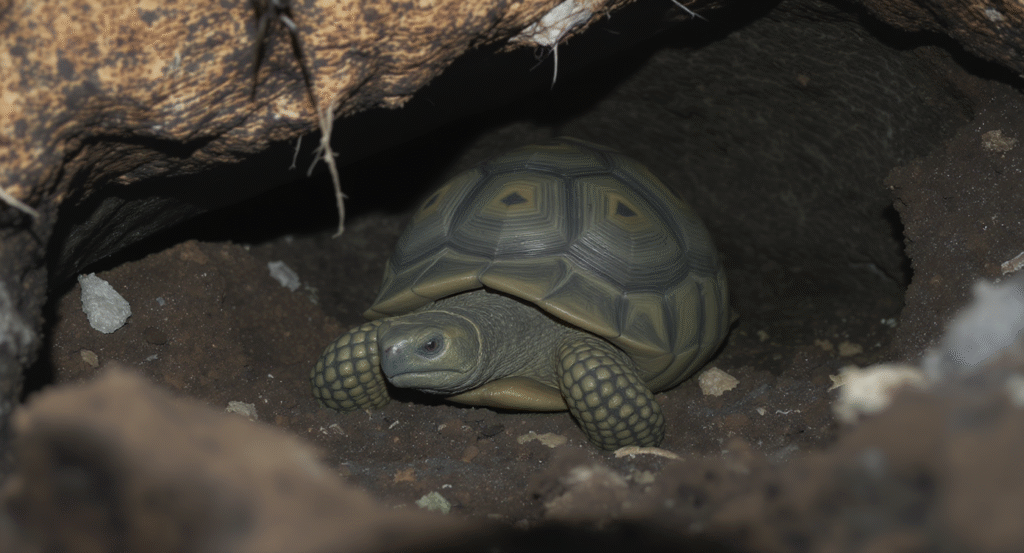
Hibernation is one of the most critical aspects of tortoise care, yet it remains misunderstood by many reptile keepers. Whether you’re a new tortoise owner or considering adding one to your family, understanding the hibernation process is essential for your pet’s long-term health and wellbeing.
What Is Tortoise Hibernation?
Hibernation, or brumation as it’s technically called in reptiles, is a natural survival mechanism that many tortoise species undergo during colder months. In the wild, tortoises from temperate climates enter a state of dormancy when temperatures drop and food becomes scarce. During this period, their metabolic rate slows dramatically, allowing them to conserve energy until spring arrives.
Not all tortoise species hibernate. Tropical species like red-footed tortoises and leopard tortoises do not require hibernation, while Mediterranean species such as Hermann’s tortoises, Russian tortoises, and Greek tortoises are natural hibernators.
Why Tortoise Hibernation Matters
For species that naturally hibernate, this dormant period serves several important functions:
Worried About Your Reptile's Health?
Upload a photo and get instant AI health analysis. Catch problems before they become expensive vet bills.
Get Free Health Check →- Reproductive health: Hibernation regulates breeding cycles and improves fertility rates in adult tortoises
- Metabolic regulation: The cooling period helps reset their biological systems and promotes longevity
- Natural behavior: Preventing hibernation in species that require it can lead to stress and health problems
- Disease prevention: Proper hibernation can reduce the risk of certain metabolic disorders
Conversely, hibernating a tortoise that shouldn’t hibernate, or doing it incorrectly, can be fatal. This is why proper identification and preparation are crucial.
Which Tortoises Need to Hibernate?
Understanding your tortoise’s species and origin is the first step in determining their hibernation needs.
Species That Require Hibernation
- Hermann’s tortoise
- Russian tortoise (Horsfield’s tortoise)
- Greek tortoise (Spur-thighed tortoise)
- Marginated tortoise
- Eastern box turtle
- Western box turtle
Species That Should Not Hibernate
- Red-footed tortoise
- Yellow-footed tortoise
- Leopard tortoise
- Sulcata tortoise (African spurred tortoise)
- Indian star tortoise
- Elongated tortoise
If you’re unsure about your tortoise’s species, consult with a reptile veterinarian before attempting hibernation.
Preparing Your Tortoise for Hibernation
Proper preparation is critical for safe hibernation. Begin the preparation process 4-6 weeks before your intended hibernation start date.
Never Miss Early Warning Signs
AI photo analysis catches subtle health issues humans miss 80% of the time. Early detection = healthier reptile + lower vet bills.
Start Free Trial →Health Assessment
Only healthy tortoises should hibernate. Schedule a veterinary check-up to ensure your tortoise is:
- Free from respiratory infections or other illnesses
- At a healthy weight with adequate fat reserves
- Free from parasites (a fecal exam is recommended)
- Well-hydrated
Sick, underweight, or young tortoises (typically under 3 years old) should not be hibernated.
The Winding Down Period
Gradually reduce temperatures and daylight hours over 2-3 weeks to simulate natural seasonal changes. During this time:
- Decrease basking temperatures by 5°F per week
- Reduce daylight exposure gradually
- Continue offering food, but expect your tortoise to eat less
- Provide daily soaking opportunities to ensure hydration
The Fasting Period
Two to three weeks before hibernation, stop feeding completely while maintaining access to water. This allows your tortoise to empty its digestive system, which is crucial because undigested food can rot during hibernation and cause fatal infections.
Join thousands of successful reptile owners
Try ReptileCoach Free →Continue providing daily warm water soaks (85-90°F) during this period to encourage defecation and maintain hydration.
Hibernation Methods
There are several safe methods for hibernating tortoises in captivity.
Refrigerator Method
The most controlled and popular method among experienced keepers:
- Use a dedicated refrigerator set to 38-45°F (5-7°C)
- Place your tortoise in a sturdy box with ventilation holes
- Use substrates like shredded paper or dry leaves
- Monitor temperature with a reliable thermometer
- Check your tortoise weekly for signs of problems
Garage or Shed Method
Suitable in areas with stable, cool temperatures:
"This app saved my bearded dragon's life. The AI caught early MBD in photos I thought looked completely normal. Worth every penny!"
— Sarah K., ReptileCoach User
Get Your Free 7-Day Trial →- Use an insulated box in a cool, dark location
- Protect from temperature fluctuations
- Shield from rodents and other predators
- Monitor temperature closely with multiple thermometers
Outdoor Hibernation
Only recommended for experienced keepers in suitable climates with proper protection from weather extremes and predators.
Hibernation Duration and Monitoring
Hibernation length varies by species, age, and health status:
- Young tortoises (3-5 years): 6-8 weeks
- Adult tortoises: 8-12 weeks
- Very large adults: Up to 16 weeks
Check your hibernating tortoise every 2-3 weeks to ensure they’re maintaining proper weight and showing no signs of illness. A 1% body weight loss per month is normal, but greater losses require immediate attention.
Waking Your Tortoise from Hibernation
When it’s time to end hibernation, do so gradually:
Worried About Your Reptile's Health?
Upload a photo and get instant AI health analysis. Catch problems before they become expensive vet bills.
Get Free Health Check →- Move your tortoise to a warmer area (50-60°F) for 24 hours
- Then place them in their normal enclosure with heat and lighting
- Offer a warm bath immediately upon waking
- Expect them to be lethargic for the first few days
- Offer food after 2-3 days once they’re active
Your tortoise should be eating normally within a week. If they remain lethargic, refuse food beyond 10 days, or show any signs of illness, contact a reptile veterinarian immediately.
Common Hibernation Mistakes to Avoid
- Hibernating sick or underweight tortoises
- Not providing a proper fasting period
- Using incorrect temperatures (too warm or too cold)
- Failing to monitor regularly during hibernation
- Hibernating tropical species that don’t require it
- Waking and re-cooling repeatedly (this is stressful and dangerous)
- Keeping substrate too moist, which can cause respiratory infections
Track Your Reptile’s Care Journey
Managing tortoise hibernation requires careful monitoring of temperatures, weights, dates, and health observations. Rather than relying on scattered notes and memory, use a dedicated tracking system to ensure your tortoise receives the best care possible.
Track your reptile’s care with our free app at ReptileCoach.com/app. Log feeding schedules, monitor weight changes, set reminders for health checks, and keep all your tortoise care data organized in one place. Whether you’re preparing for hibernation or managing daily care, our app helps you stay on top of every detail that matters for your reptile’s wellbeing.
Ready to Give Your Reptile the Best Care?
Stop guessing and start knowing. Get personalized AI-powered care guidance, photo health analysis, and 24/7 expert advice for YOUR specific reptile.
Get Personalized Care Guidance
AI-powered photo analysis and daily care tracking for YOUR reptile
Try Free for 7 Days →