
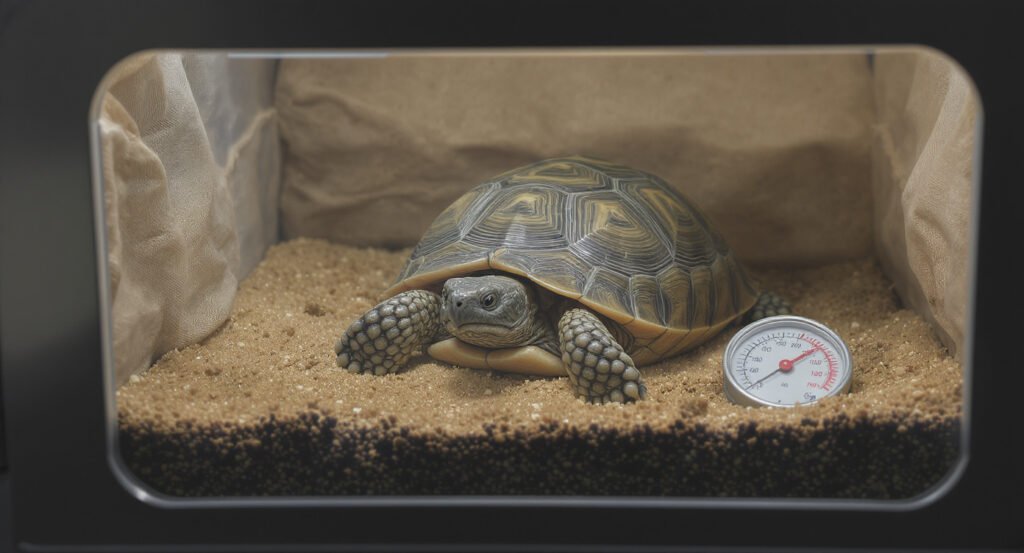
Tortoise hibernation, scientifically known as brumation, is a critical natural process that many tortoise species require for optimal health and longevity. Understanding how to safely manage this period can mean the difference between a thriving pet and serious health complications. This comprehensive guide walks you through everything you need to know about tortoise brumation.
What Is Tortoise Brumation?
Brumation is the reptilian equivalent of hibernation, where tortoises enter a state of dormancy during colder months. Unlike true hibernation in mammals, brumating tortoises may occasionally wake to drink water or reposition themselves. This metabolic slowdown allows tortoises to conserve energy when food sources are naturally scarce and temperatures drop below their active range.
Not all tortoise species require brumation. Mediterranean species like Greek, Hermann’s, and Russian tortoises are natural brumators, while tropical species such as Red-footed and Sulcata tortoises should never be brumated. Always research your specific species before proceeding.
Why Brumation Matters for Your Tortoise
Proper brumation provides several important health benefits:
Worried About Your Reptile's Health?
Upload a photo and get instant AI health analysis. Catch problems before they become expensive vet bills.
Get Free Health Check →- Hormonal regulation: Brumation triggers necessary hormonal changes that support reproductive health and overall well-being
- Natural biological rhythm: Mimicking natural seasonal cycles prevents stress and behavioral issues
- Breeding preparation: For those interested in breeding, brumation is often essential for successful reproduction
- Longevity: Tortoises that undergo appropriate brumation tend to live longer, healthier lives
Pre-Brumation Health Assessment
Before allowing your tortoise to brumate, a thorough health check is absolutely essential. Only healthy tortoises should hibernate, as sick or underweight individuals may not survive the process.
Schedule a veterinary examination 4-6 weeks before your planned brumation start date. Your vet should check for:
- Respiratory infections (wheezing, nasal discharge, mouth breathing)
- Parasites through fecal testing
- Proper body weight and condition
- Shell abnormalities or injuries
- Eye and mouth health
Tortoises should be at a healthy weight with good fat reserves. Underweight or recently ill tortoises should skip brumation that year and continue normal care through winter.
The Fasting Period: Critical First Step
One of the most crucial aspects of safe brumation is the pre-hibernation fasting period. Tortoises must completely empty their digestive systems before entering dormancy, as undigested food can ferment and cause fatal bacterial infections.
Never Miss Early Warning Signs
AI photo analysis catches subtle health issues humans miss 80% of the time. Early detection = healthier reptile + lower vet bills.
Start Free Trial →The fasting timeline depends on temperature:
- At 68-75°F (20-24°C): 2-3 weeks of fasting
- At 60-68°F (15-20°C): 2 weeks of fasting
- Below 60°F (15°C): 1 week minimum
During fasting, continue to provide fresh water daily. Tortoises should drink regularly and may soak. Once you stop seeing fecal output for several days and the tortoise appears empty, it’s safe to proceed to cooling.
Temperature Management During Brumation
Temperature control is the most critical factor for safe brumation. The ideal brumation temperature range is 40-50°F (4-10°C). Temperatures above 60°F (15°C) prevent true brumation, while temperatures below 32°F (0°C) risk freezing and death.
Gradual temperature reduction is essential. Lower temperatures by about 5°F every few days over 2-3 weeks until reaching the target range. Never drop temperatures suddenly, as this shocks the tortoise’s system.
Join thousands of successful reptile owners
Try ReptileCoach Free →Suitable brumation locations include:
- Dedicated reptile refrigerators with precise temperature control
- Unheated garages or sheds (monitor carefully with thermometers)
- Insulated boxes in cool basements
- Purpose-built hibernation chambers
Always use multiple thermometers to monitor temperature accurately and check your tortoise weekly.
Setting Up the Brumation Enclosure
Your tortoise’s brumation container should be secure, well-ventilated, and appropriately sized. Use a sturdy plastic or wooden box that allows your tortoise to turn around comfortably but isn’t excessively large.
Substrate options include:
"This app saved my bearded dragon's life. The AI caught early MBD in photos I thought looked completely normal. Worth every penny!"
— Sarah K., ReptileCoach User
Get Your Free 7-Day Trial →- Shredded paper (chemical-free)
- Hay or straw
- Soil mixed with leaf litter
- Coconut coir
Keep substrate slightly moist but never wet. The enclosure should have ventilation holes to prevent condensation buildup while maintaining appropriate humidity around 60-80%.
Monitoring During Brumation
Weekly health checks are non-negotiable during brumation. Carefully examine your tortoise for:
- Weight loss exceeding 1% of body weight per month
- Signs of illness (discharge, labored breathing, foul odor)
- Dehydration (sunken eyes, wrinkled skin)
- Movement or restlessness indicating incorrect temperatures
Weigh your tortoise weekly using a digital scale. Slight weight loss is normal, but excessive loss requires ending brumation early. Keep detailed records of weights, temperatures, and observations.
Brumation Duration and Waking Up
Most tortoise species should brumate for 8-12 weeks, though exact duration varies by species and individual health. Shorter brumation periods of 6-8 weeks are safer for first-time hibernators or smaller individuals.
Worried About Your Reptile's Health?
Upload a photo and get instant AI health analysis. Catch problems before they become expensive vet bills.
Get Free Health Check →When it’s time to wake your tortoise, reverse the cooling process. Gradually increase temperatures by 5°F every few days over 2-3 weeks until reaching normal basking temperatures of 85-95°F (29-35°C).
Once awake, offer a warm bath immediately to encourage drinking and elimination. Don’t be alarmed if your tortoise doesn’t eat for several days – appetite typically returns within a week. Provide easily digestible foods initially, like soft greens and vegetables.
Common Brumation Mistakes to Avoid
Many well-intentioned keepers make critical errors during brumation. Avoid these common pitfalls:
- Brumating sick or underweight tortoises
- Insufficient fasting time before cooling
- Temperature fluctuations or extremes
- Lack of regular monitoring
- Brumating inappropriate species
- Rapid temperature changes during cooling or warming
- Inadequate pre-brumation health screening
Track Your Tortoise’s Health Year-Round
Successfully managing brumation requires careful planning, monitoring, and record-keeping throughout the year. Whether you’re preparing for your tortoise’s first brumation or you’re an experienced keeper, having the right tools makes all the difference.
Never Miss Early Warning Signs
AI photo analysis catches subtle health issues humans miss 80% of the time. Early detection = healthier reptile + lower vet bills.
Start Free Trial →Try ReptileCoach’s comprehensive tracking app to monitor your tortoise’s weight, feeding schedule, health observations, and brumation cycles. Our app helps you maintain detailed records and sends reminders for critical care tasks, ensuring your tortoise stays healthy year-round.
With proper preparation, monitoring, and care, brumation can be a safe and beneficial process for your tortoise. When in doubt, always consult with a reptile veterinarian experienced in tortoise care.
Ready to Give Your Reptile the Best Care?
Stop guessing and start knowing. Get personalized AI-powered care guidance, photo health analysis, and 24/7 expert advice for YOUR specific reptile.
Get Personalized Care Guidance
AI-powered photo analysis and daily care tracking for YOUR reptile
Try Free for 7 Days →